Menu

EARTH & CLIMATE SCIENCES

Atmospheric Science Visualizations

Climate trends, air quality dashboards, weather pattern analysis, and environmental monitoring - create publication-ready atmospheric science figures with AI-generated Python code.

Essential Atmospheric Visualizations

Atmospheric and environmental data is inherently temporal and spatial. Effective visualization requires handling time series with trend decomposition, spatial maps, threshold comparisons, and multi-panel dashboards that contextualize measurements against regulatory standards.

Temperature Trends

Anomaly time series, warming stripes, and running-mean overlays

Air Quality

Multi-pollutant dashboards with EPA/WHO threshold indicators

Ocean & Hydrology

Sea level, river discharge, soil moisture profiles

Remote Sensing

NDVI, land surface temperature, and spectral band analysis

Weather Patterns

Wind roses, pressure maps, and precipitation distributions

Carbon & Emissions

CO2 time series, Keeling curves, and sector-level emissions

Temperature Anomaly & Warming Stripes

Two-panel figure showing the iconic warming stripes visualization (inspired by Ed Hawkins) alongside annual temperature anomaly bars with a 10-year running mean. Each stripe encodes one year of data, from cool blue to warming red.

Live Code Editor
Code EditorPython
Loading editor...
Live Preview

Preparing preview

Running once automatically on first load

Learn by Experimenting

This is a safe playground for learning! Try changing:

  • • Colors: Modify color values to see different palettes
  • • Numbers: Adjust sizes, positions, or data ranges
  • • Labels: Update titles, axis names, or legends

Edit the code, run it, then open the full data visualization tool to continue with your own dataset.

Air Quality Dashboard

A four-panel diurnal air quality profile showing PM2.5, O3, NO2, and CO concentrations over 24 hours with EPA threshold indicators, exceedance shading, and rush-hour markers.

Live Code Editor
Code EditorPython
Loading editor...
Live Preview

Preparing preview

Running once automatically on first load

Learn by Experimenting

This is a safe playground for learning! Try changing:

  • • Colors: Modify color values to see different palettes
  • • Numbers: Adjust sizes, positions, or data ranges
  • • Labels: Update titles, axis names, or legends

Edit the code, run it, then open the full data visualization tool to continue with your own dataset.

Why Climate Scientists Use Plotivy

Anomaly Calculations

Automatic baseline subtraction, running means, and trend extraction from raw temperature data.

Regulatory Thresholds

EPA, WHO, and EU air quality standards overlay automatically on pollutant time series.

Multi-Panel Dashboards

Combine multiple pollutants, spatial views, and temporal scales in publication-ready layouts.

Time Series Tools

Trend decomposition, seasonal analysis, and moving averages built into generated code.

Chart gallery

Explore Environmental Chart Types

Interactive examples with ready-to-run code

Browse all chart types →
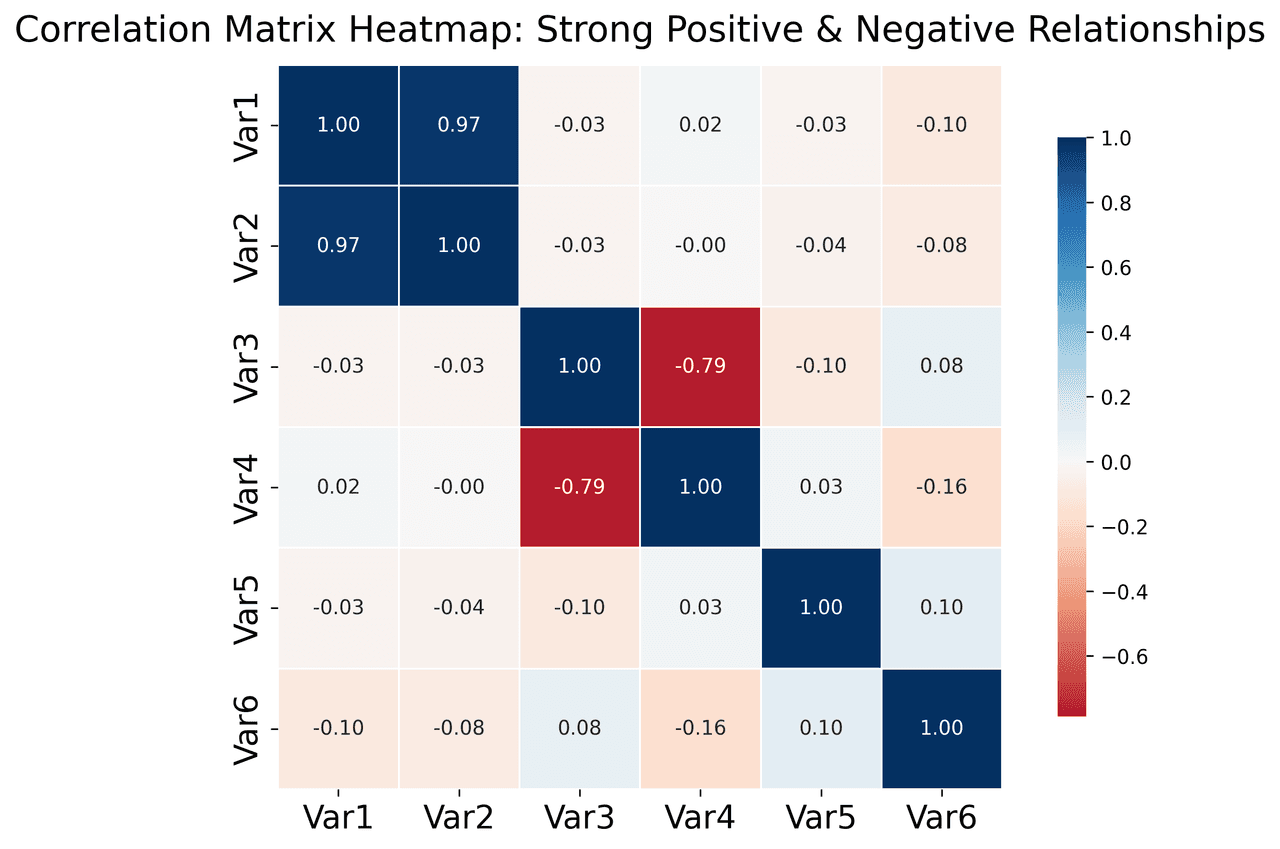
Correlation heatmap with diverging color scale and coefficient annotations
Statistical•seaborn, matplotlib
From the chart gallery•Correlation analysis between variables

Heatmap

Represents data values as colors in a two-dimensional matrix format.

Sample code / prompt

import matplotlib.pyplot as plt
import seaborn as sns
import pandas as pd
import numpy as np

# Create correlation matrix for financial metrics
metrics = ['Revenue', 'Profit', 'Expenses', 'ROI', 'Customers', 'AOV', 'Marketing', 'Employees']
correlation_data = np.array([
    [1.00, 0.85, -0.45, 0.72, 0.88, 0.65, 0.72, 0.55],
    [0.85, 1.00, -0.78, 0.92, 0.75, 0.58, 0.63, 0.48],
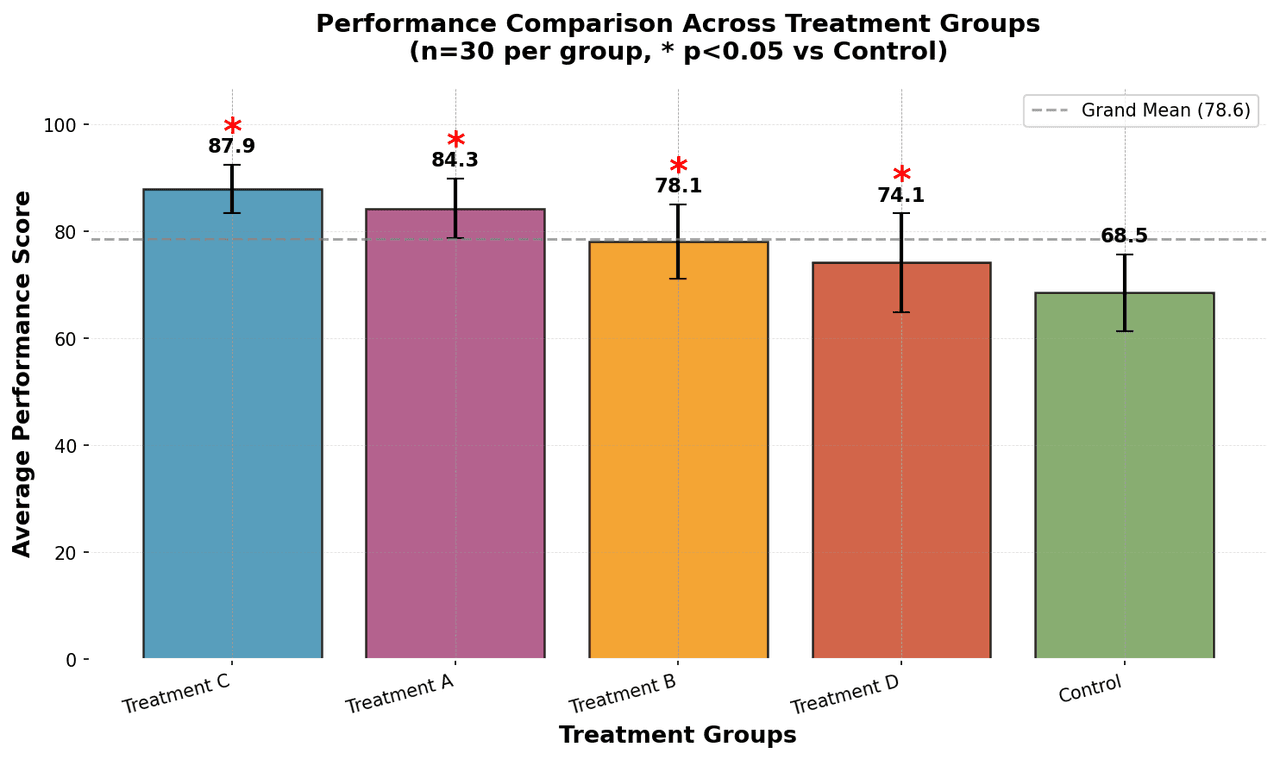
Bar chart comparing average scores across 5 groups with error bars
Comparison•matplotlib, seaborn
From the chart gallery•Comparing performance across categories

Bar Chart

Compares categorical data using rectangular bars with heights proportional to values.

Sample code / prompt

import numpy as np
import pandas as pd
import matplotlib.pyplot as plt
import seaborn as sns
from scipy import stats

# Generate performance scores for 5 treatment groups
np.random.seed(42)
groups = ['Control', 'Treatment A', 'Treatment B', 'Treatment C', 'Treatment D']
n_samples = 30

Ready to Visualize Climate Data?

Upload your environmental monitoring data, describe the analysis, and get publication-ready figures with full Python code in seconds.

Start Free - No Sign-Up