Loading Plotivy
Preparing your workspace and data.
Loading Plotivy
Preparing your workspace and data.
Refer a Friend
Share your link — earn +15 permanent plots for every friend who joins.
Sign in to get your referral linkSpecialized visualization and analysis tools tailored for your research domain. Explore how Plotivy accelerates your specific scientific workflow.
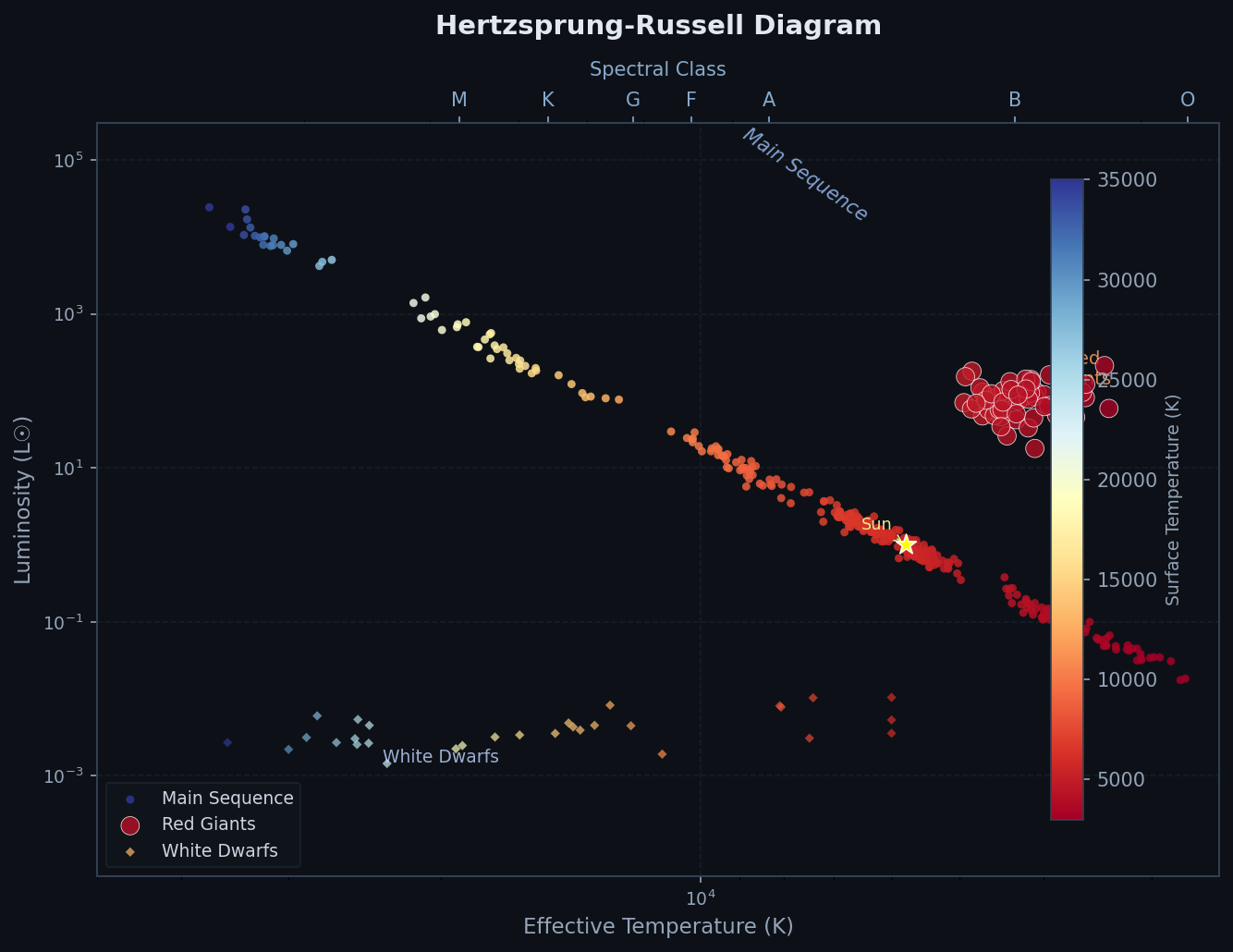
Stellar classification, celestial mapping, and cosmic data analysis.
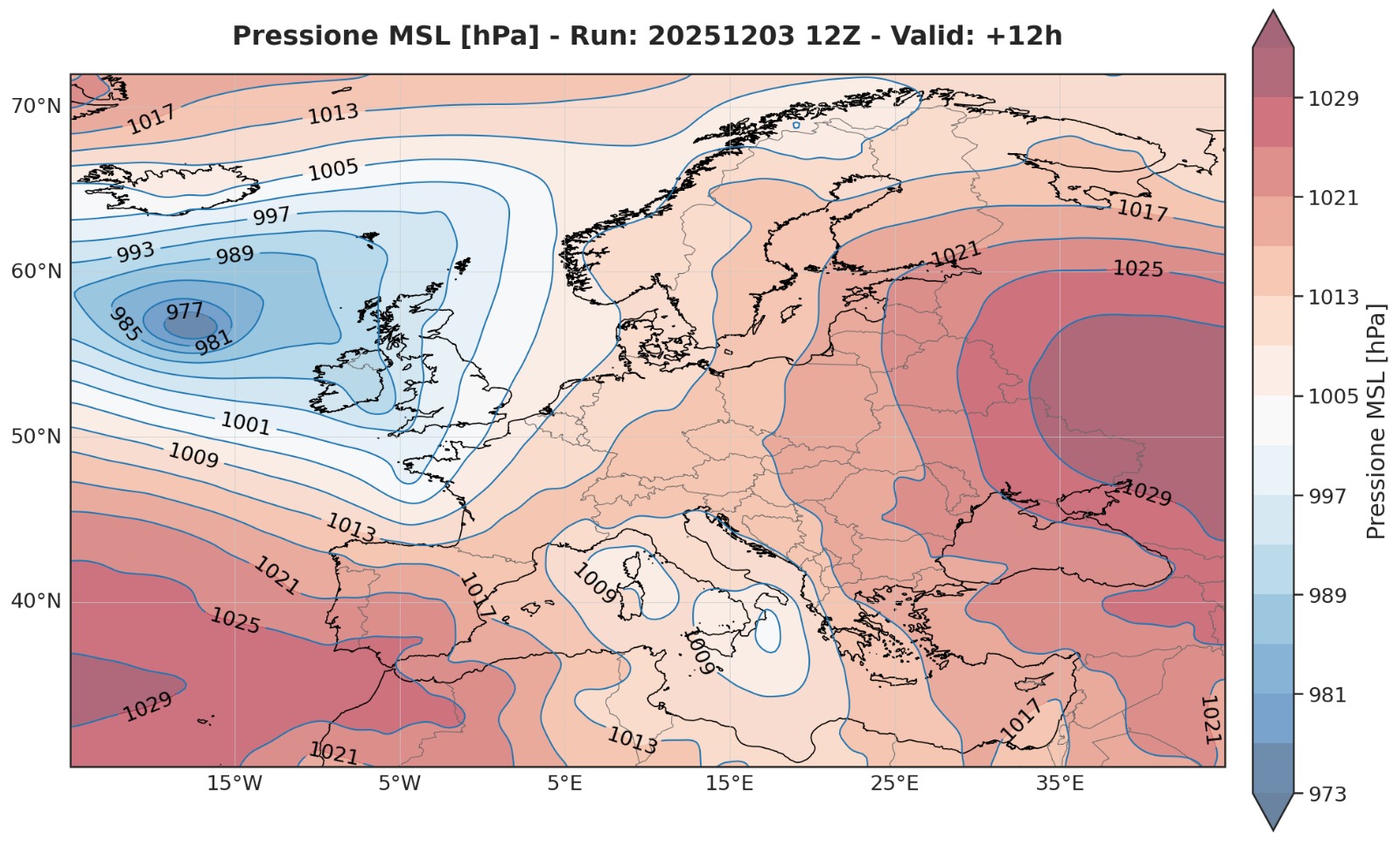
Expert-curated pressure charts, barometric tendency plots, and weather visualization with real NCEP data.
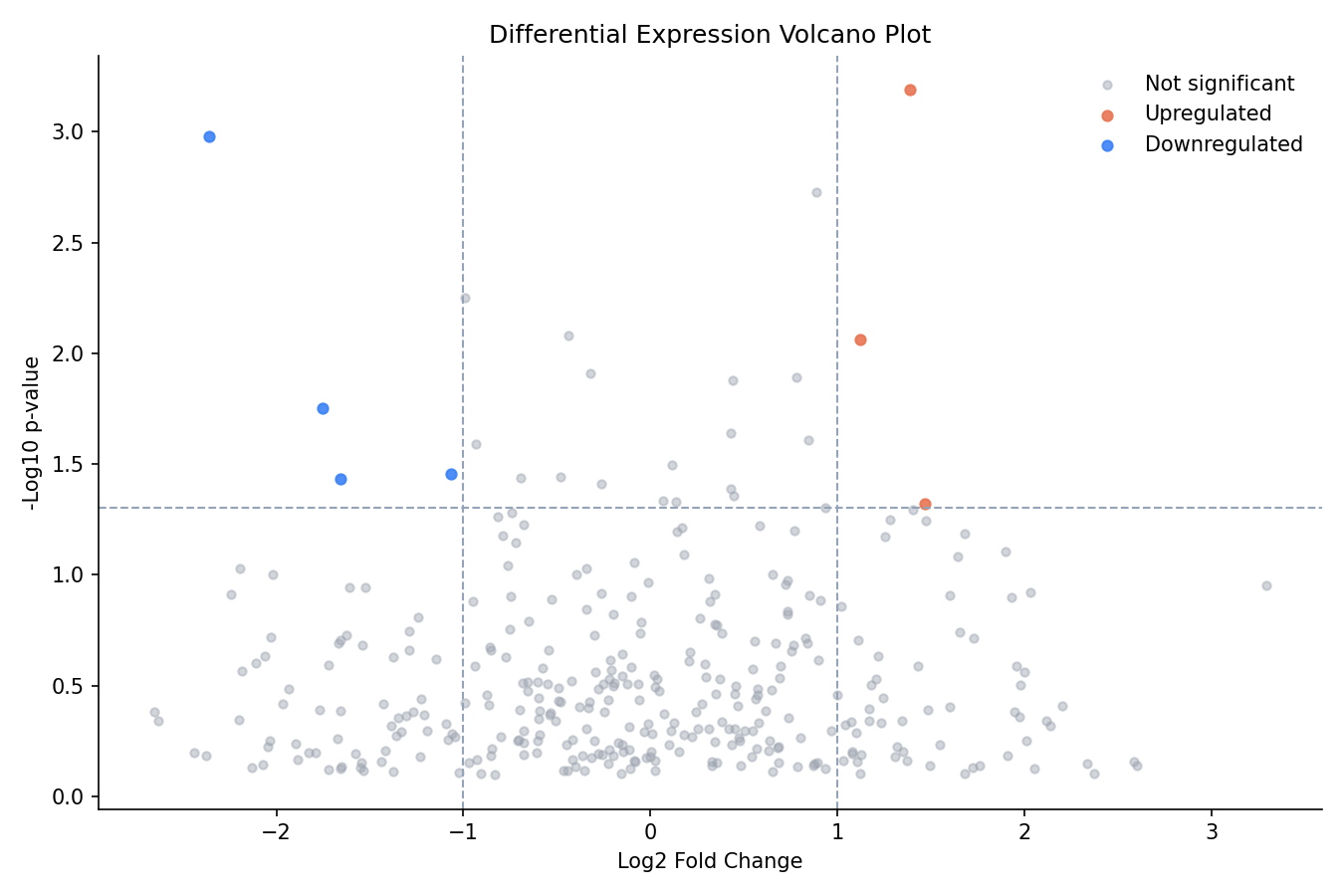
Gene expression analysis, GWAS results, and clustering visualizations.
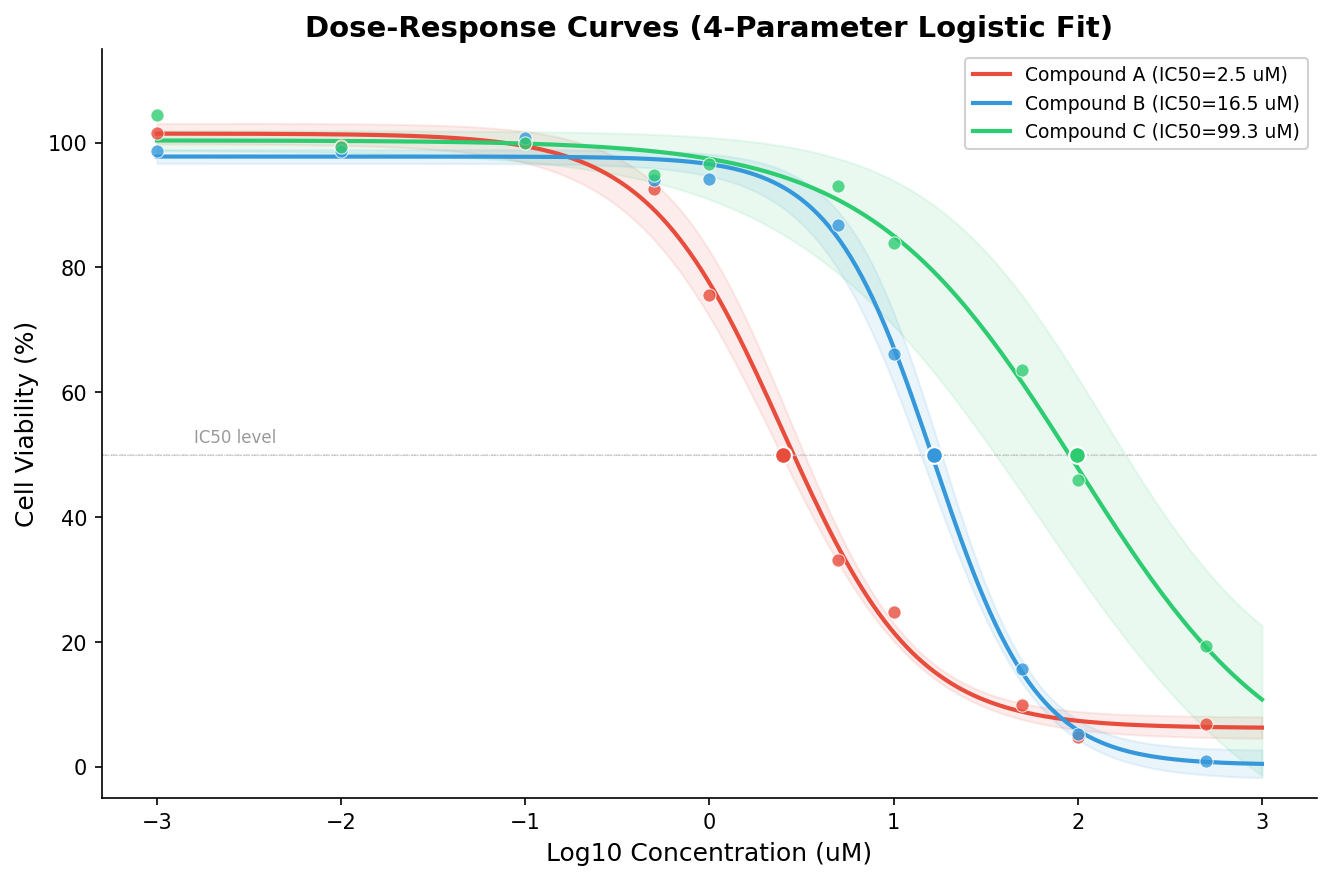
Growth curves, dose-response workflows, and experimental biology visualization.
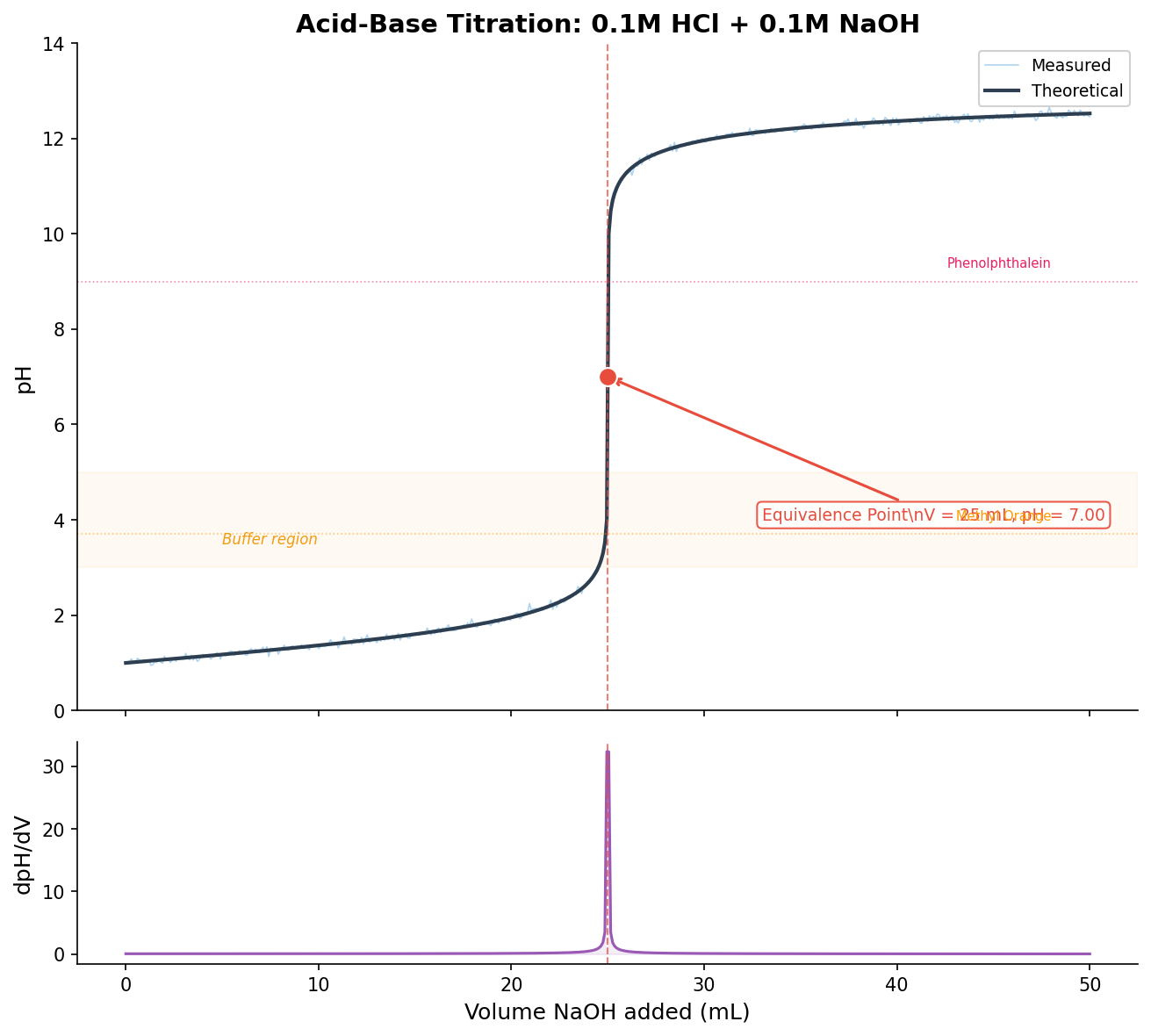
Spectra, kinetics, titration curves, and analytical chemistry reporting.
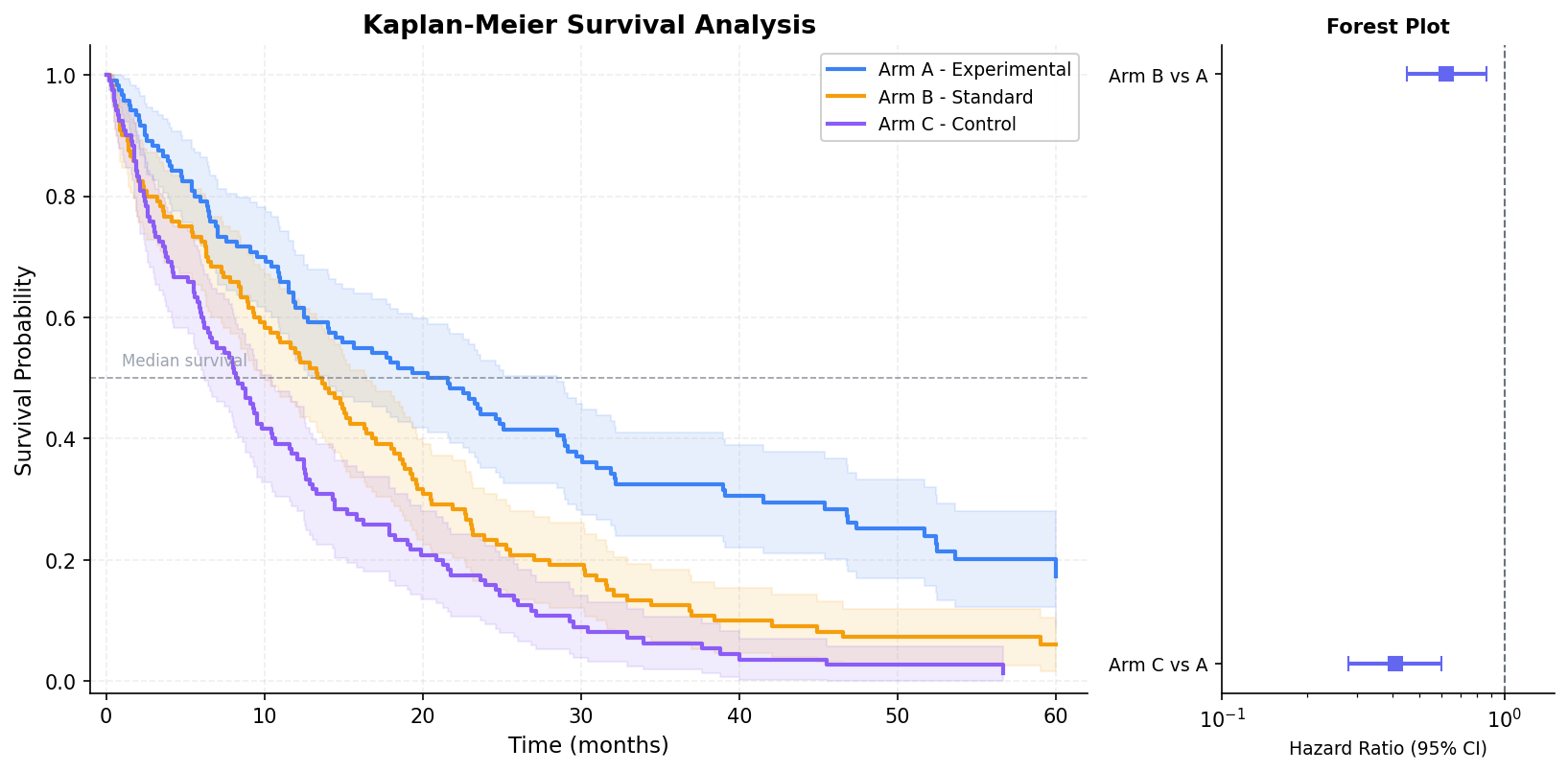
Trial reporting, safety analysis, and clinical trials.
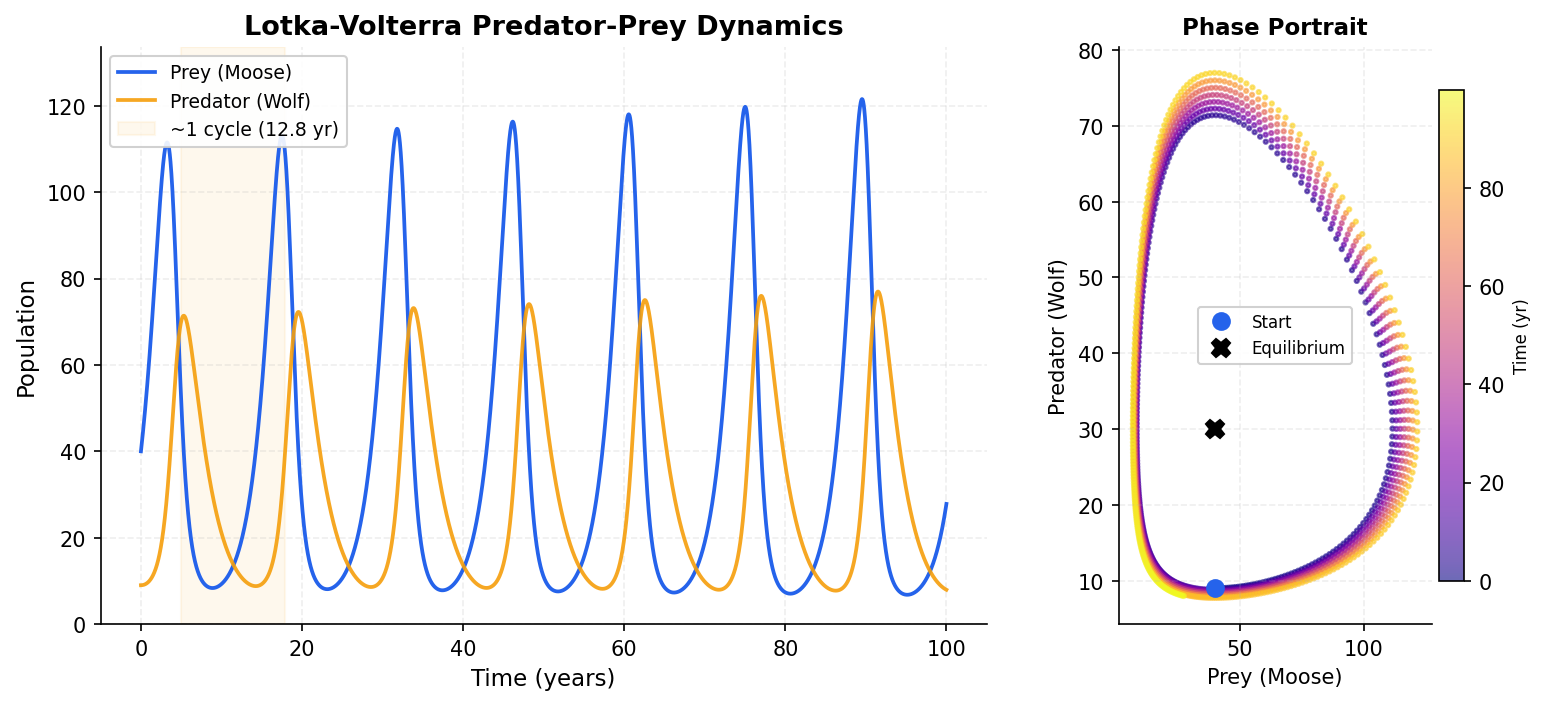
Biodiversity metrics, species accumulation, and environmental monitoring.
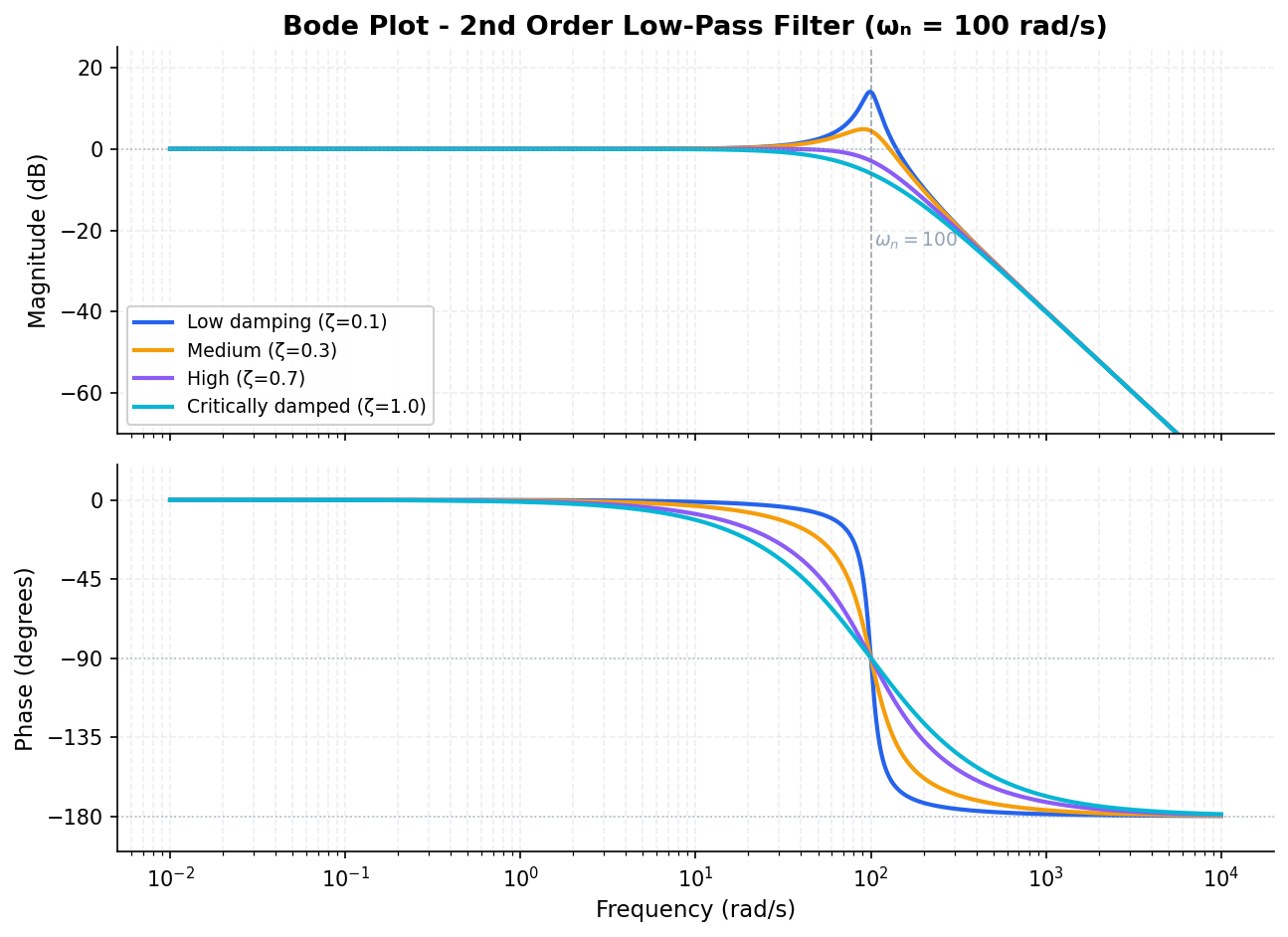
System stability analysis, frequency response, and control theory.
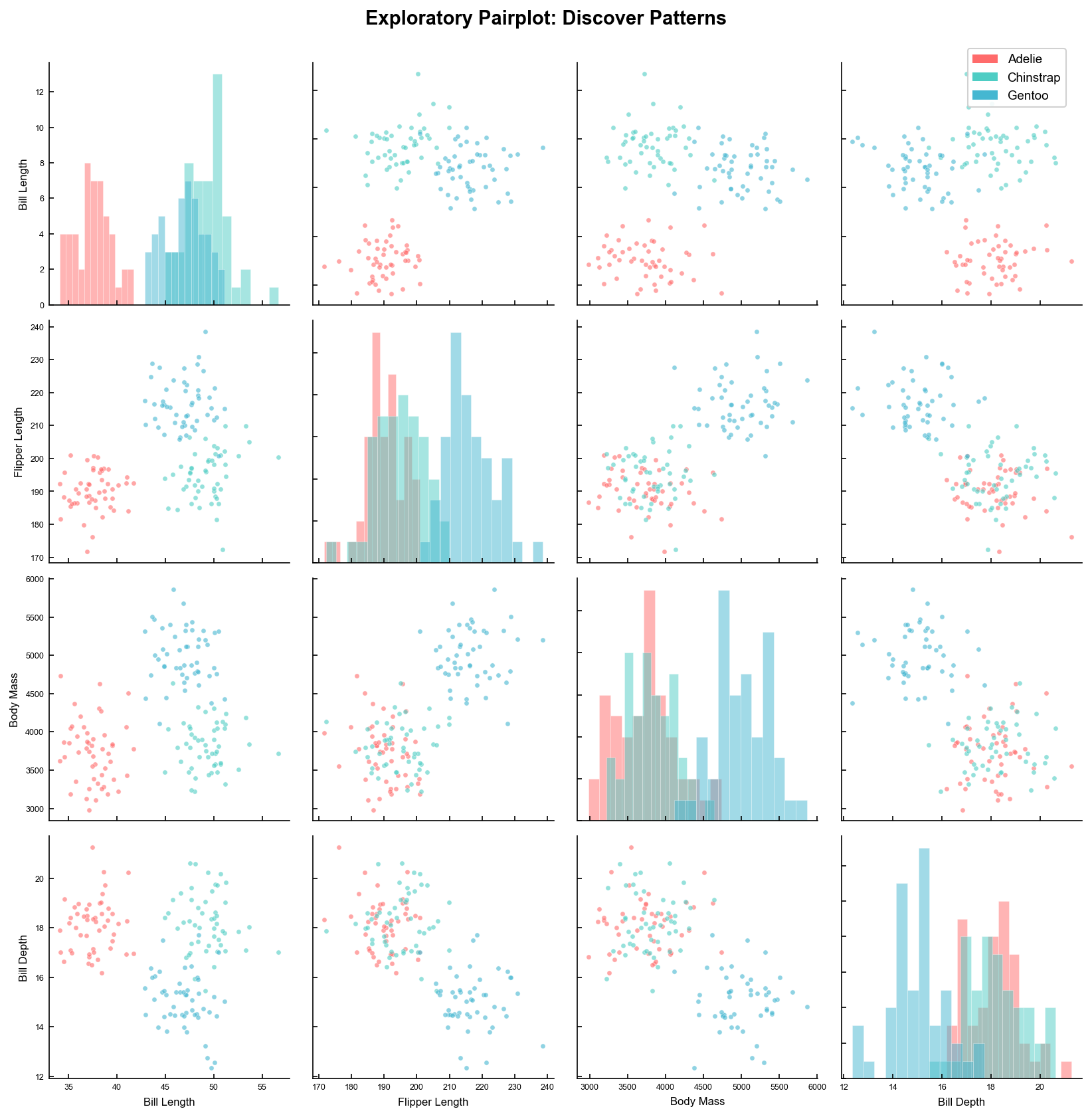
Move fast from first-look exploration with guided suggestions to story-ready visuals that communicate the key takeaway.
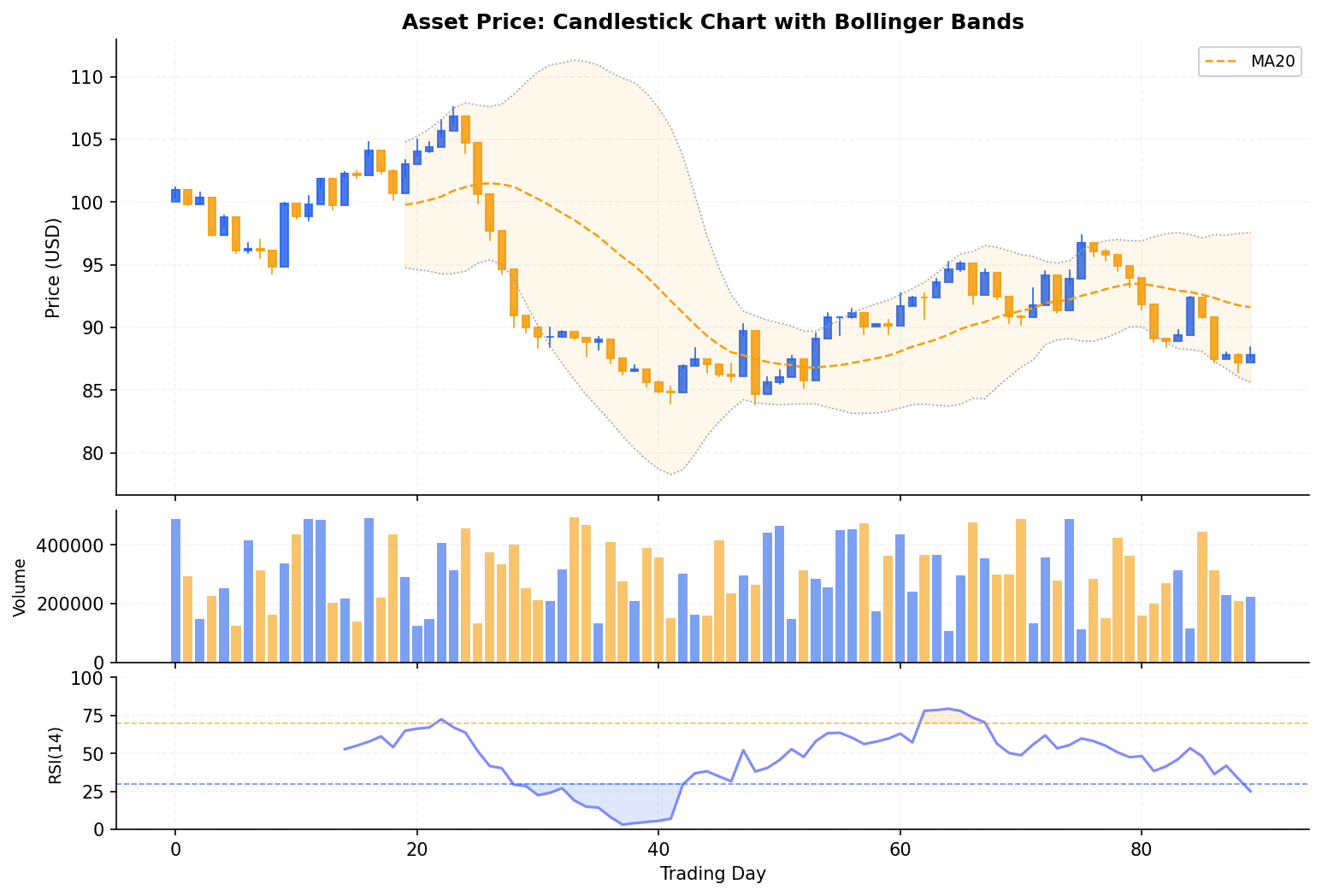
Market trend analysis, risk assessment, and financial modeling.
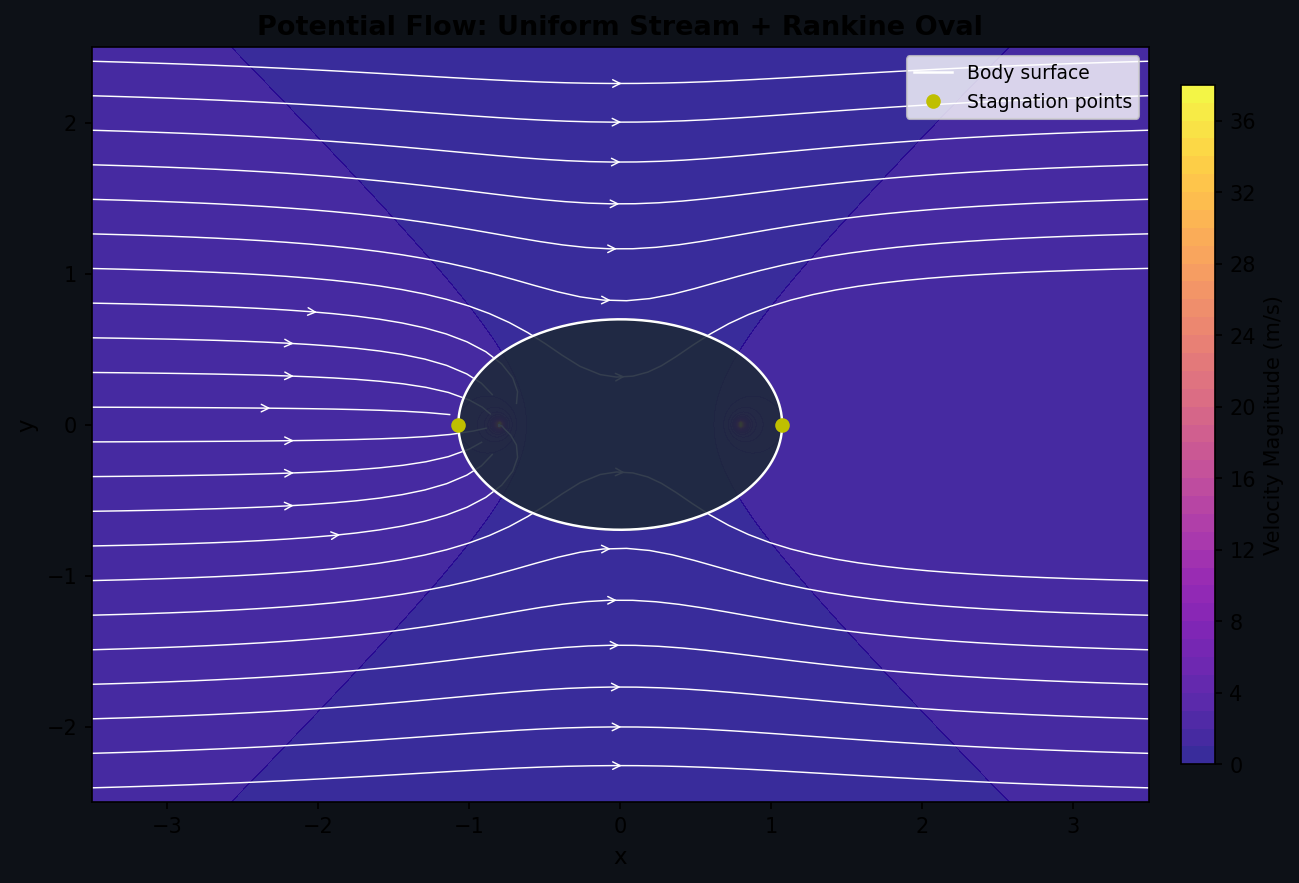
Flow visualization, streamlines, and vector fields.
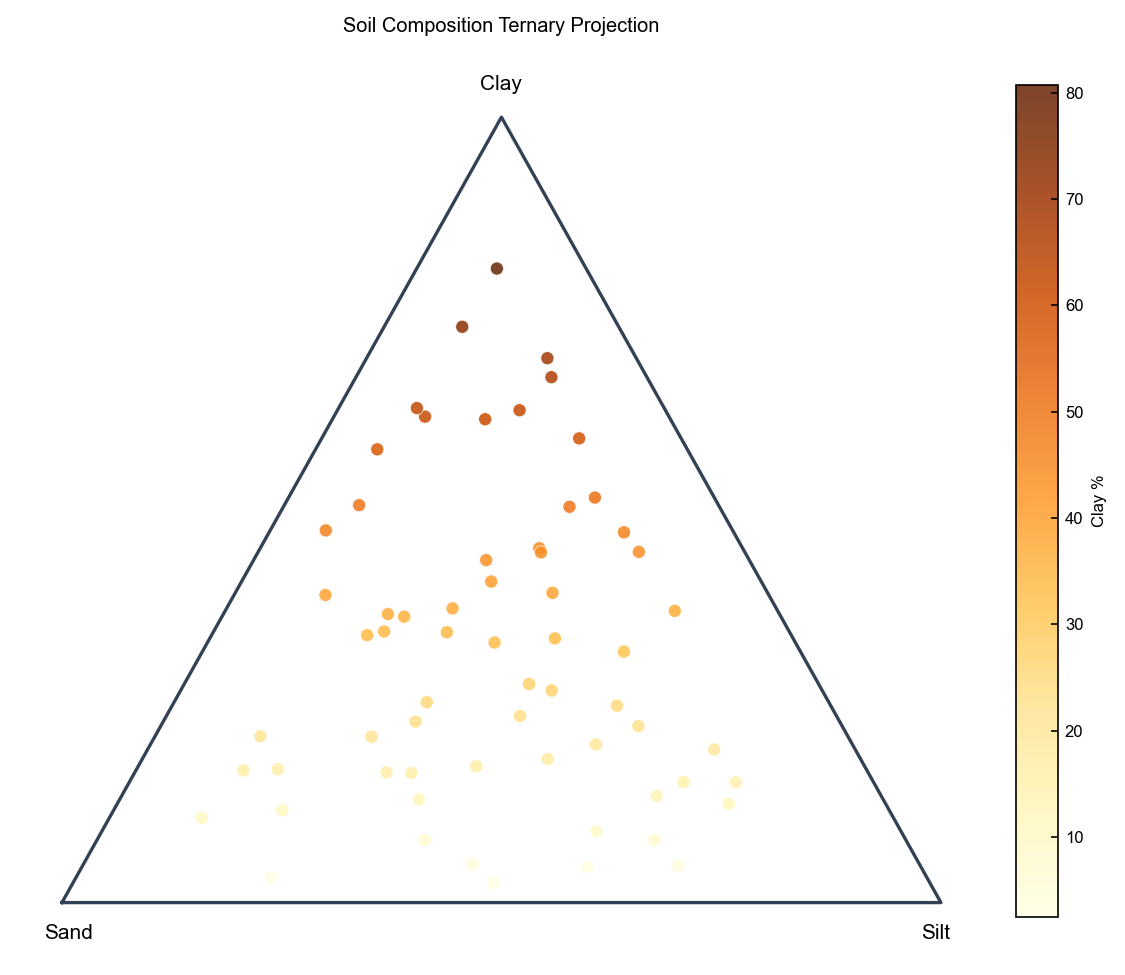
Stereonets, ternary plots, and soil classification diagrams.
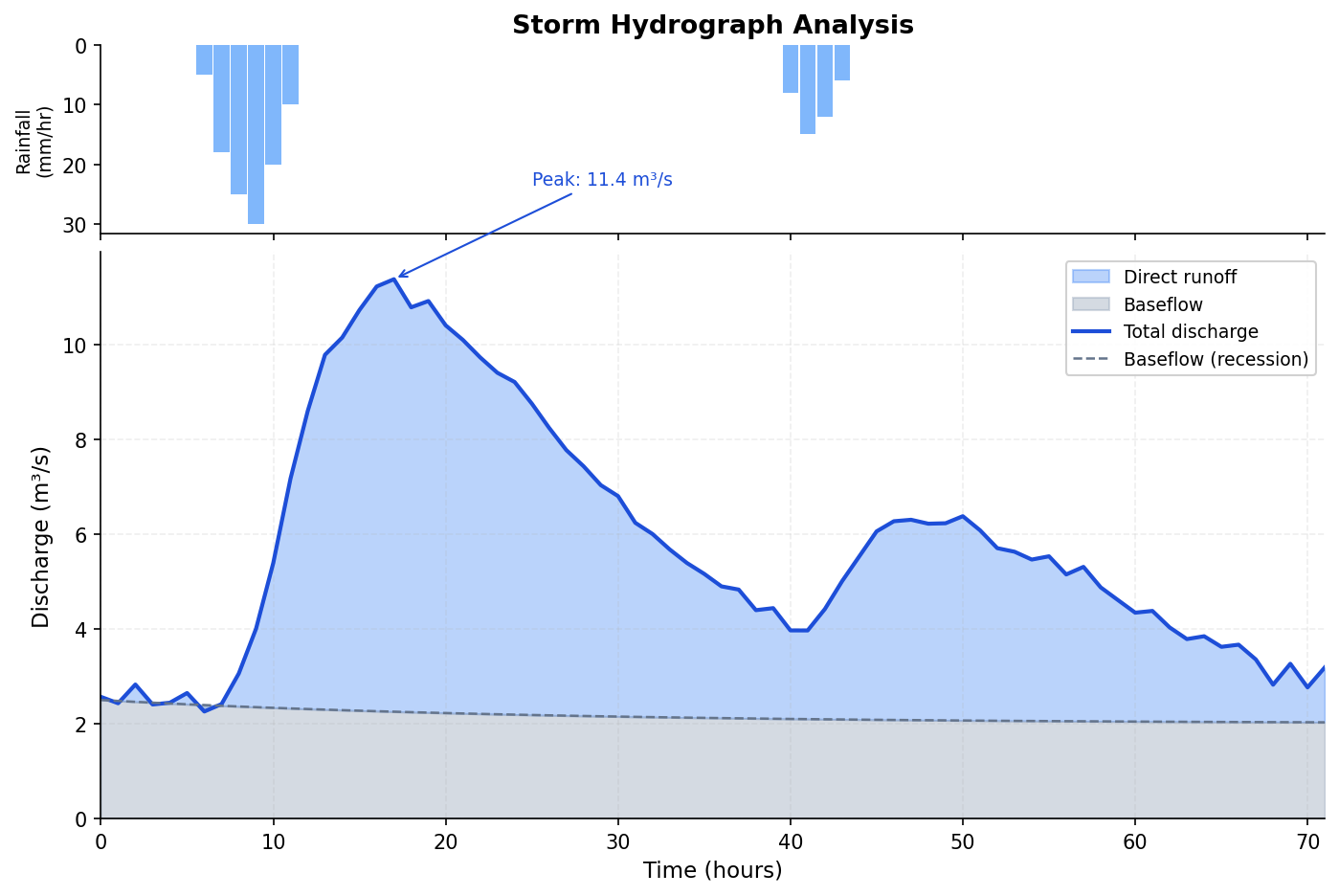
Water resource management, flow duration, and hydrographs.
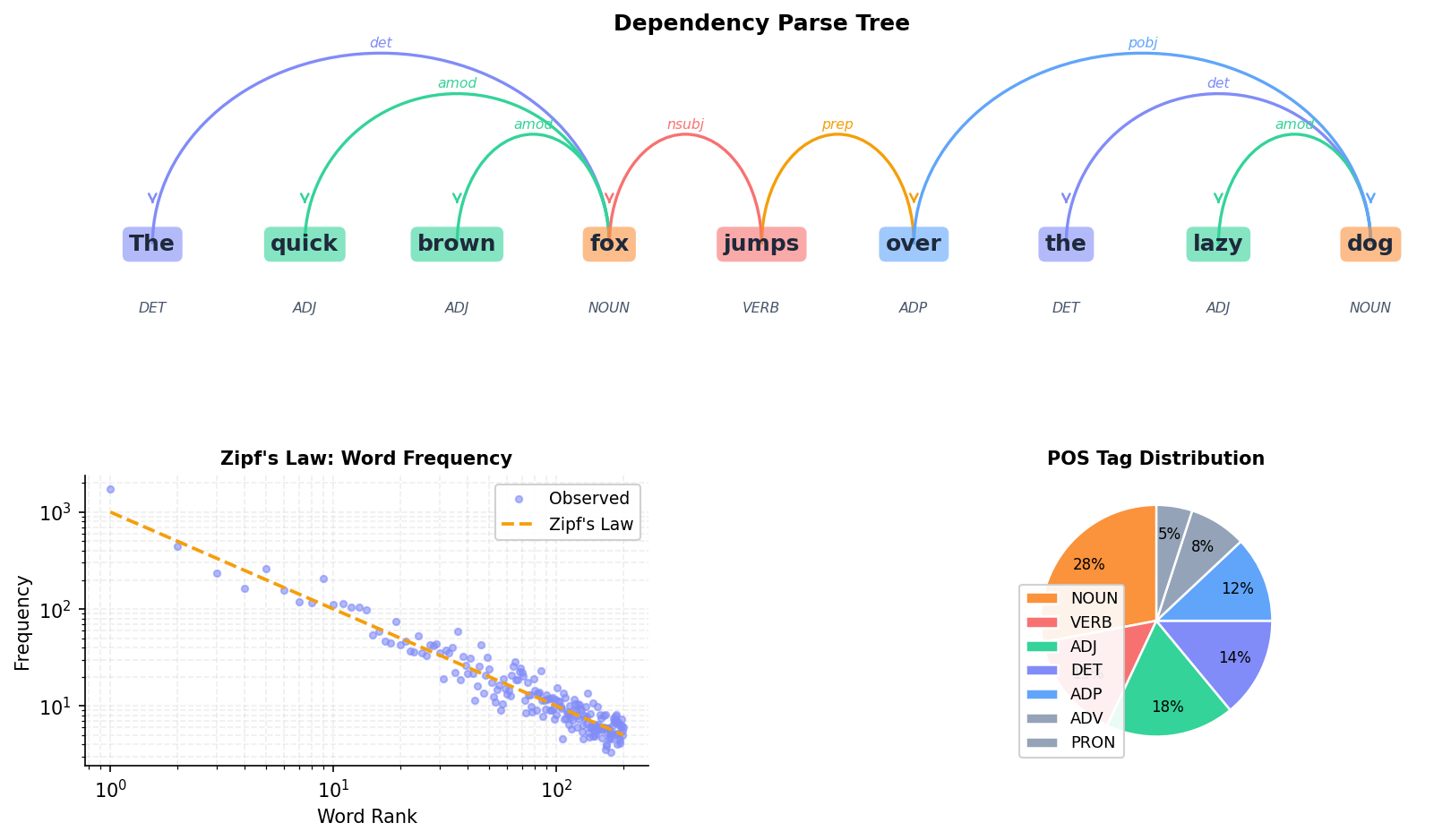
Syntax trees, dependency parsing, and text structure visualization.
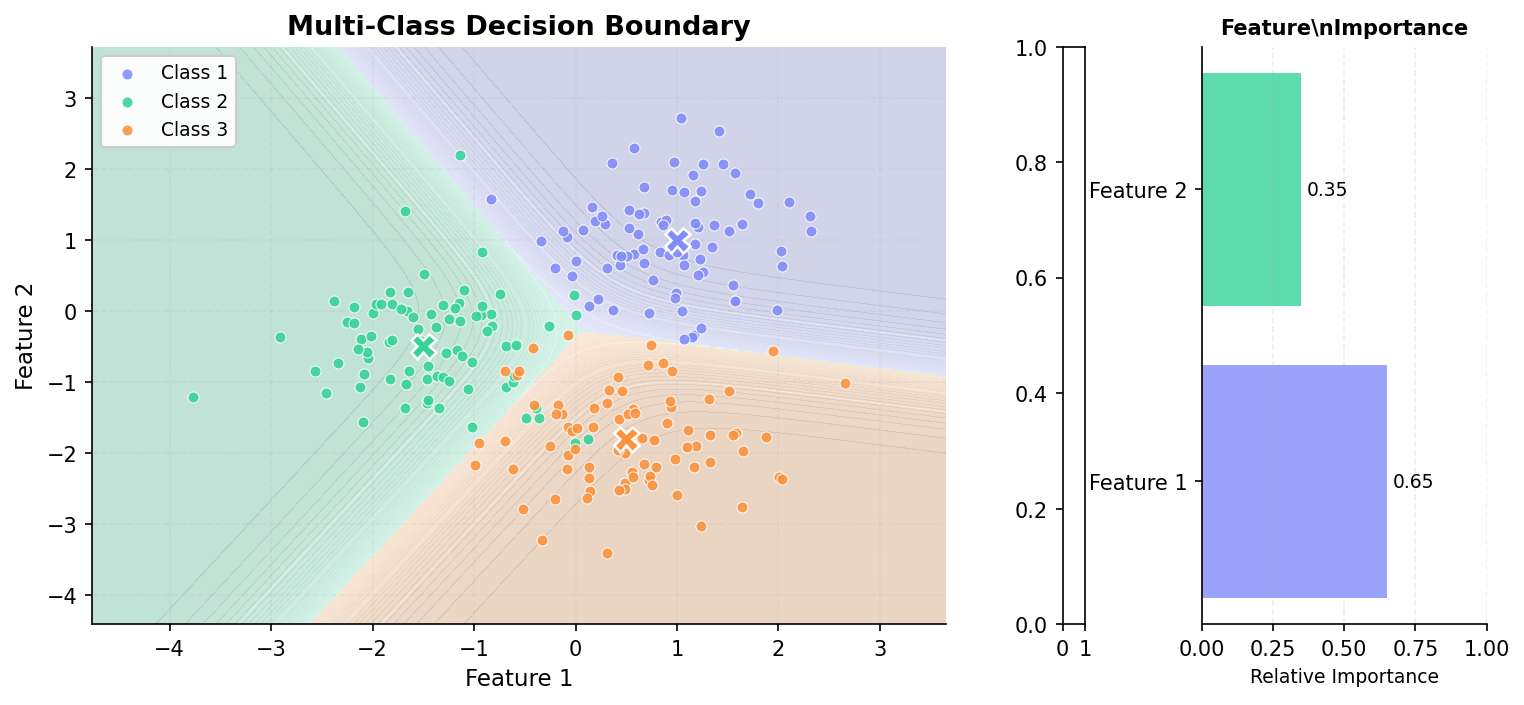
Model performance metrics, dimensionality reduction, and clustering.
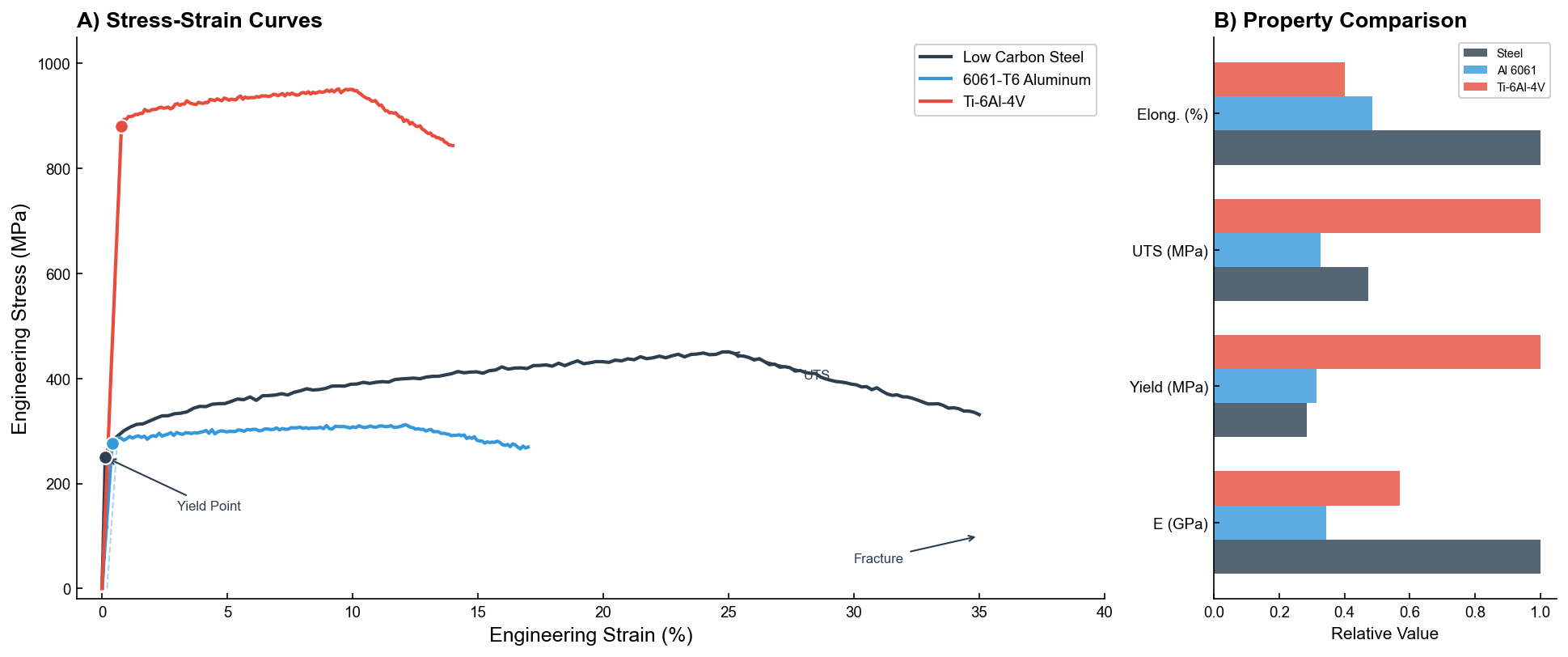
Phase diagrams, crystallography, and material properties.
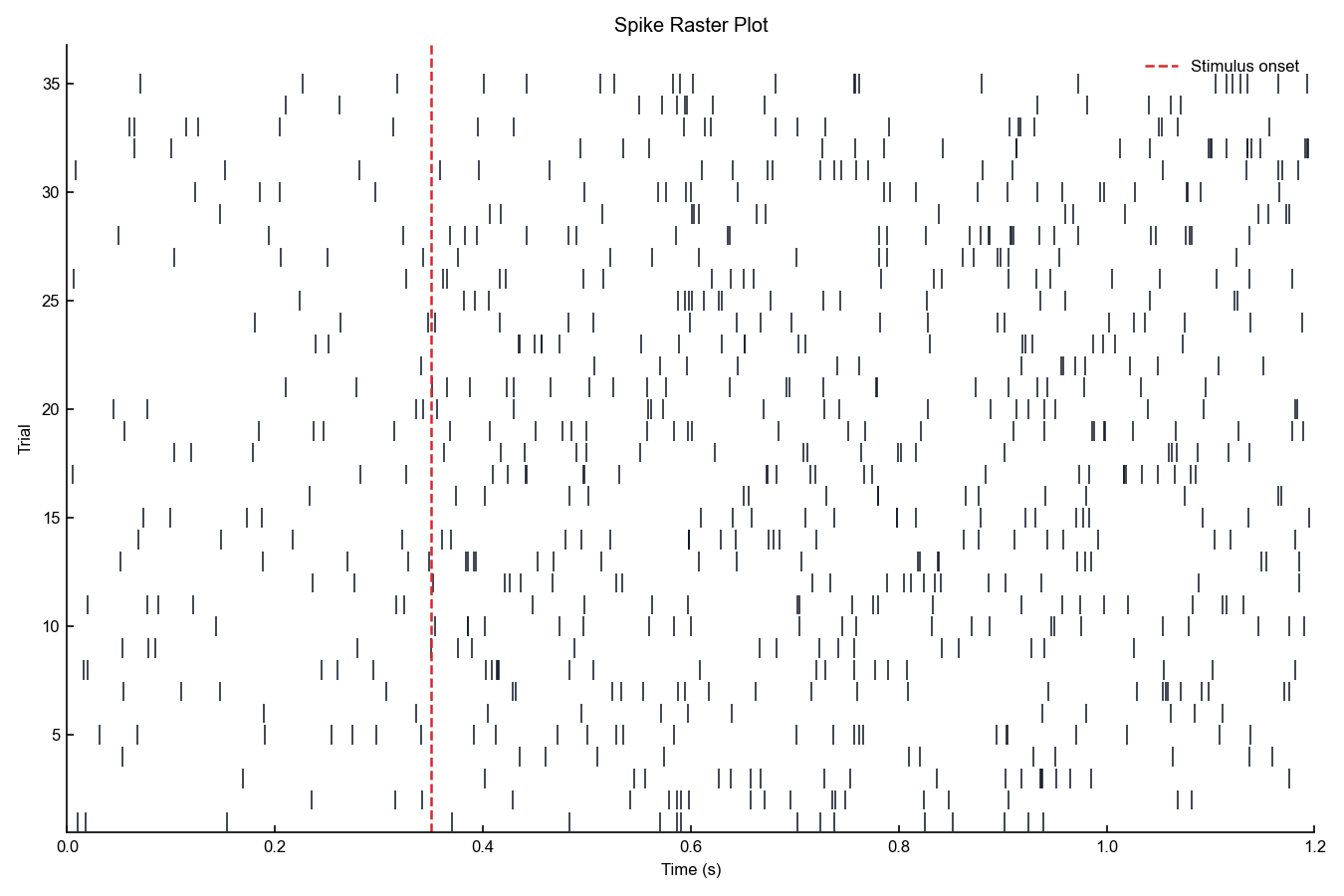
Spike rasters, LFPs, and psychometric analysis.
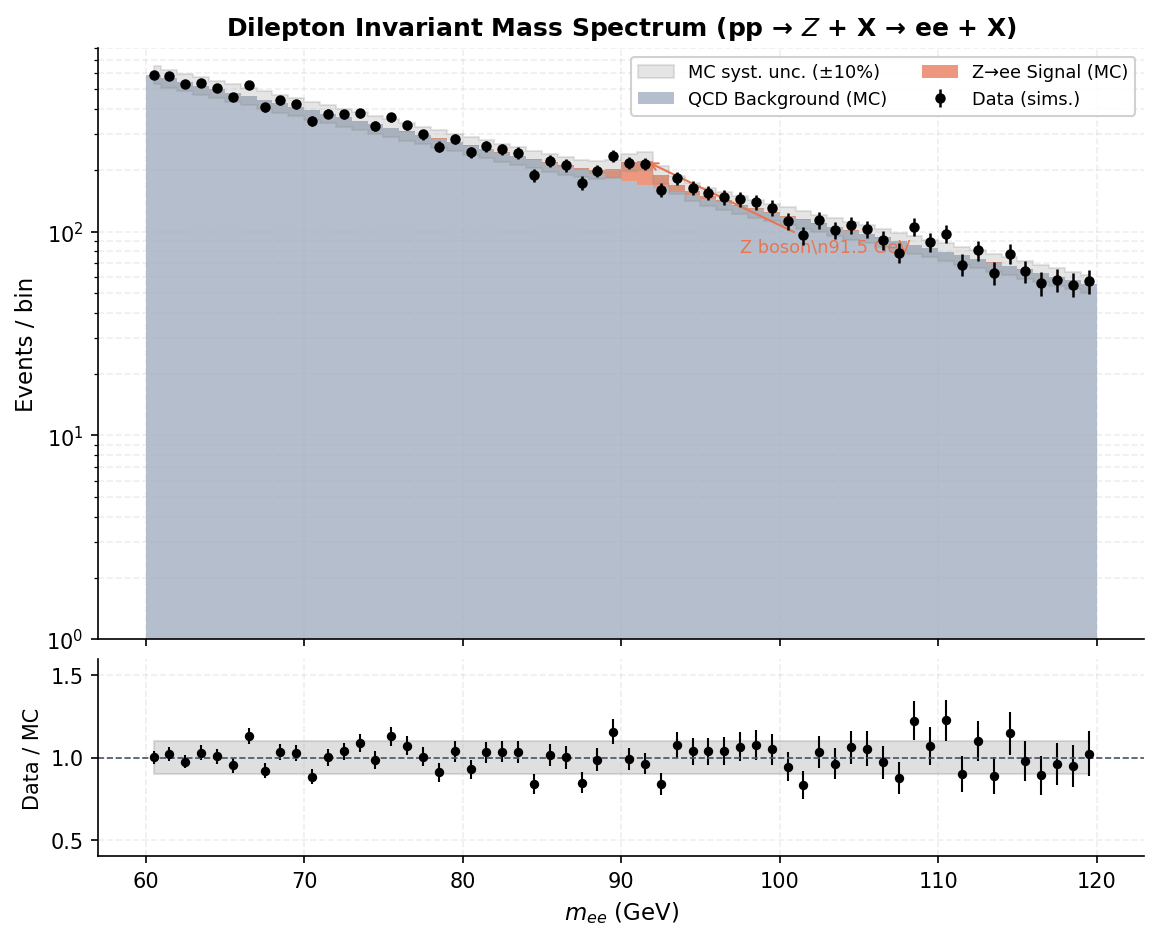
High energy physics plots, ratio plots, and event displays.
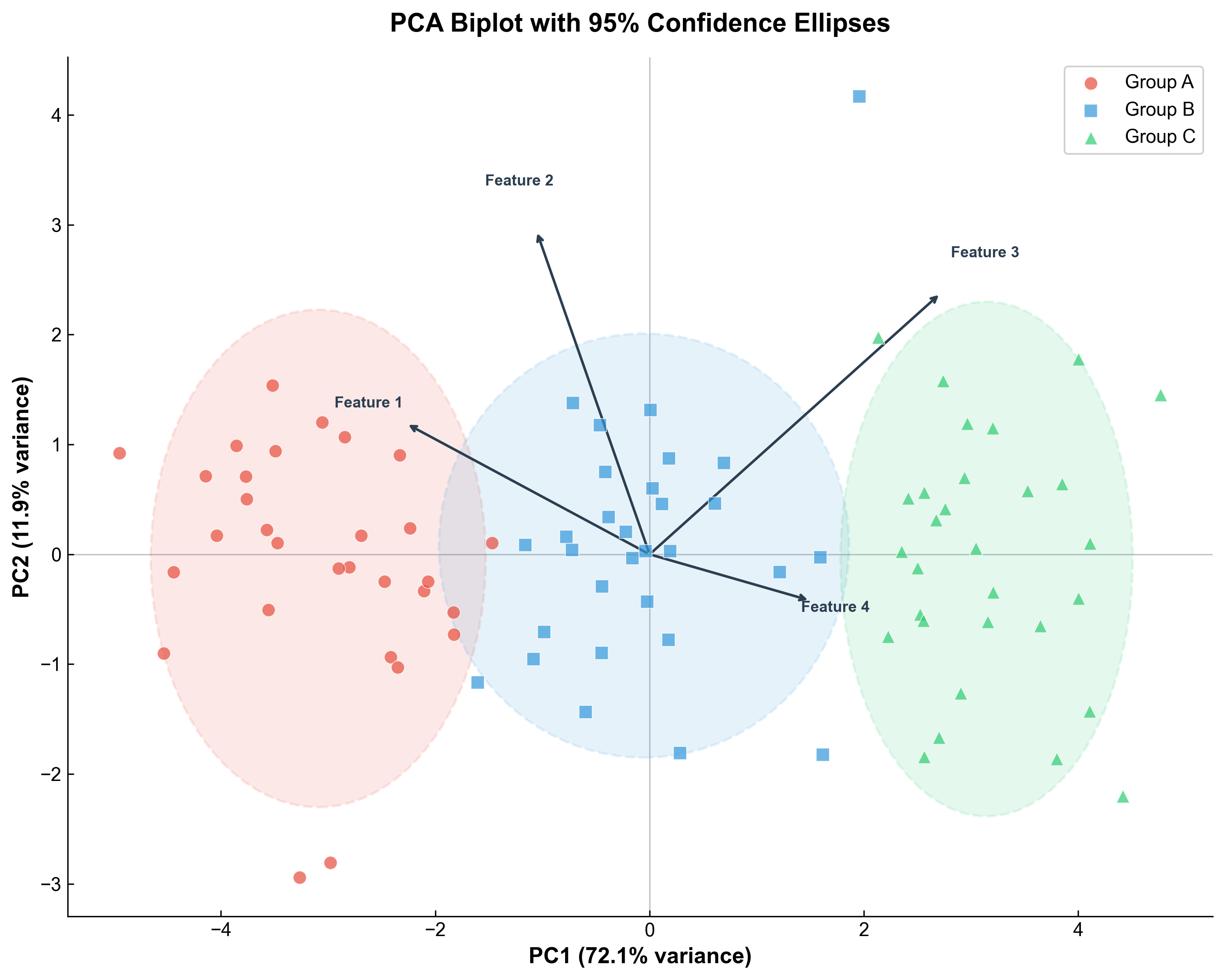
Principal component analysis for dimensionality reduction and sample structure.
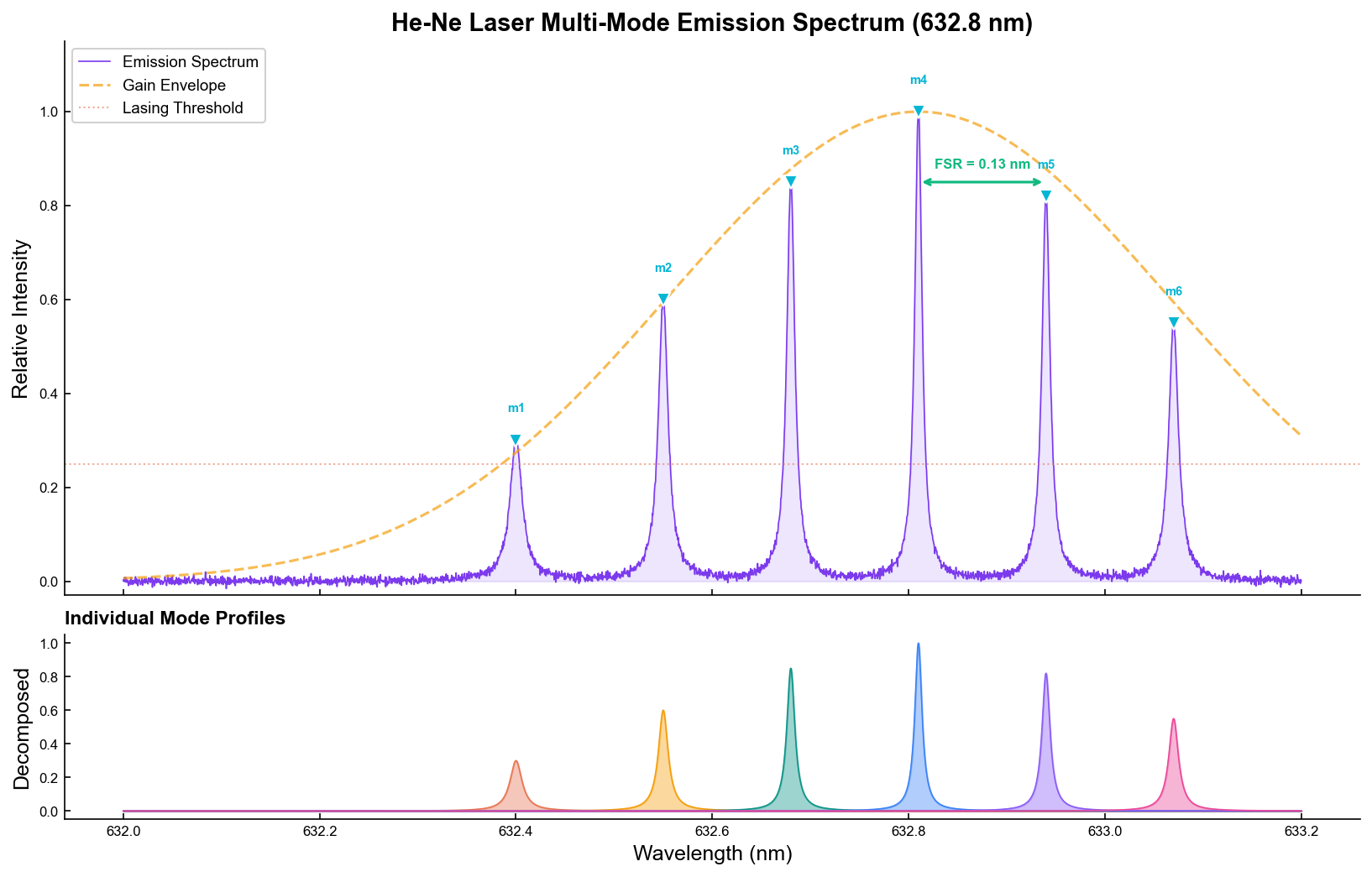
Optical spectra, bandgap analysis, and signal interpretation workflows.
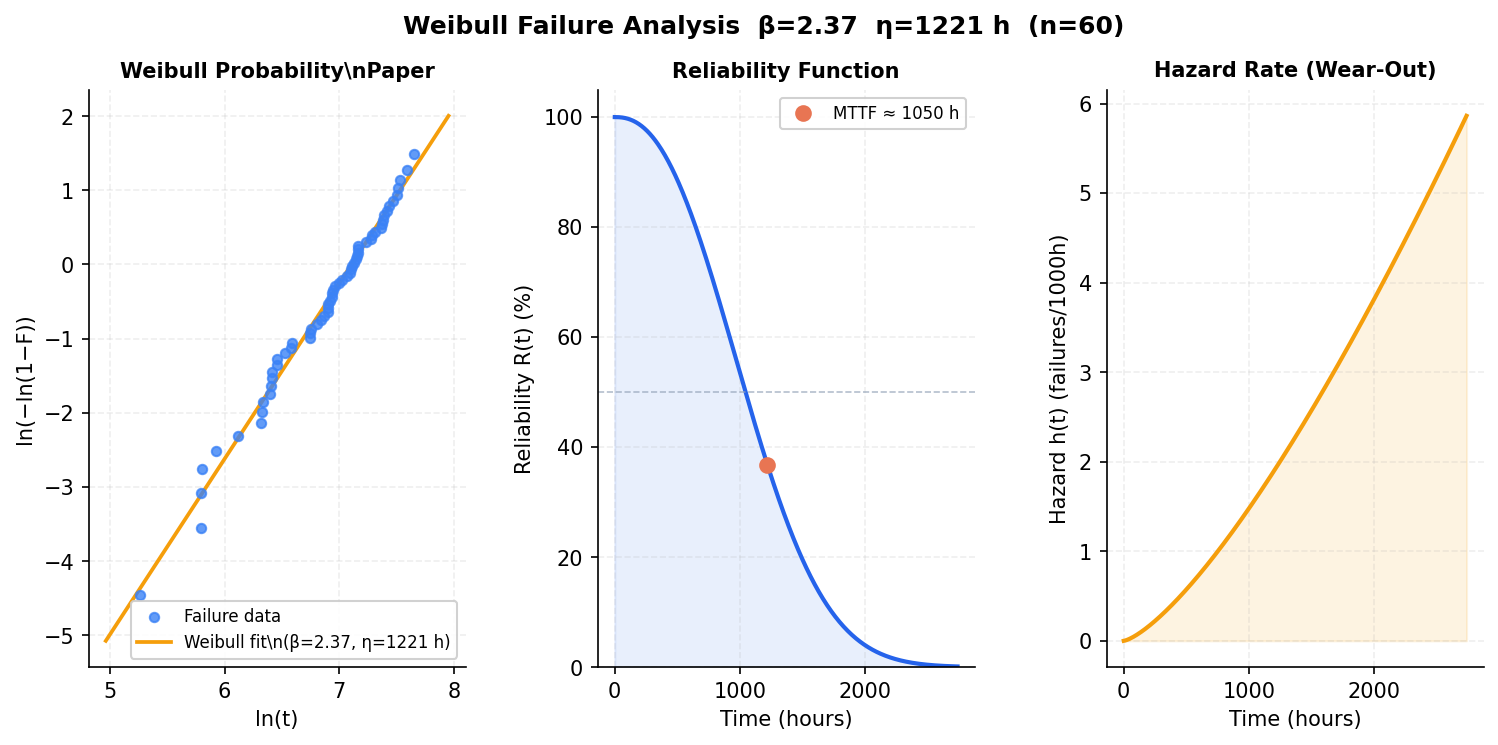
Failure analysis, survival curves, and probability plotting.
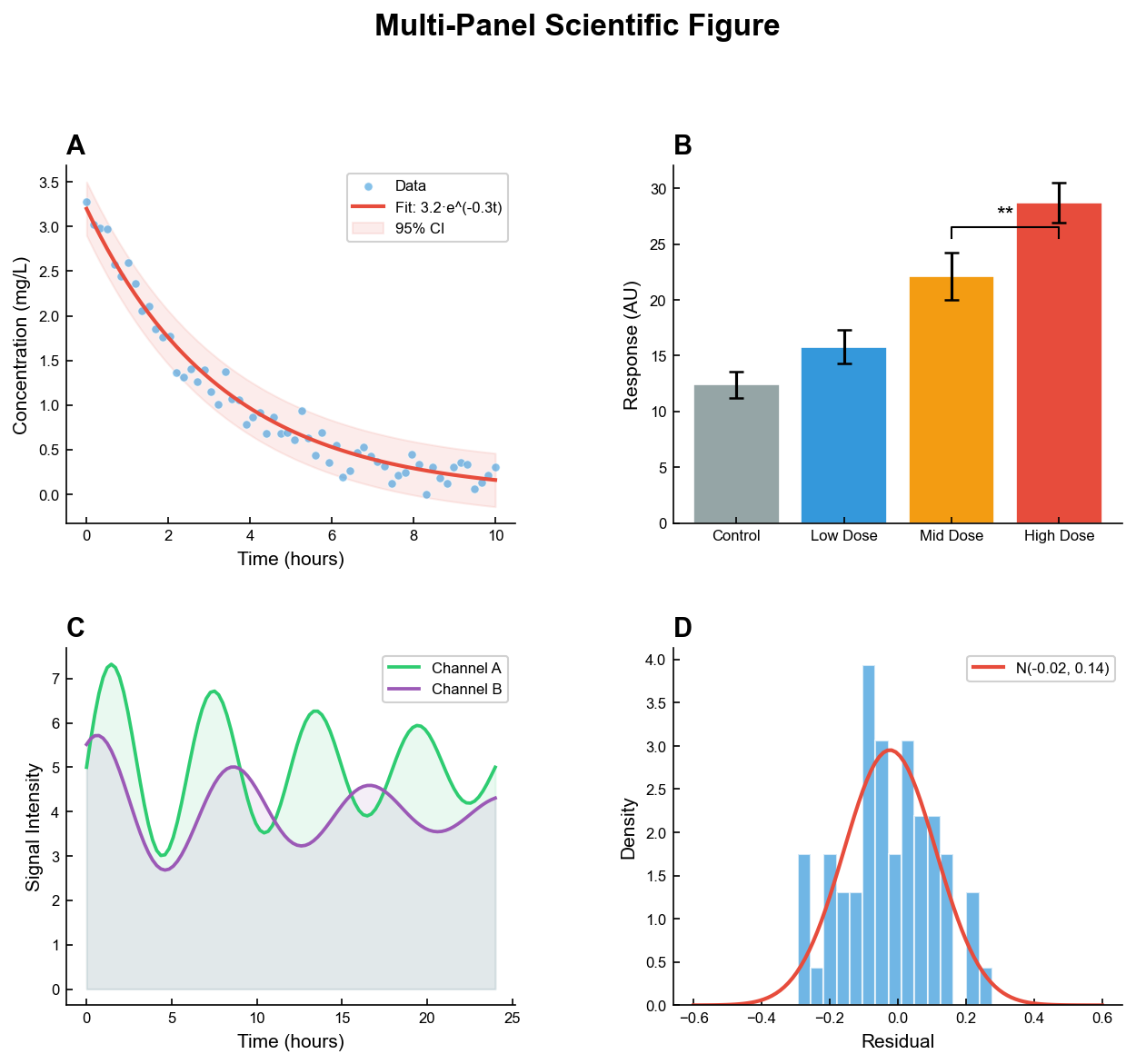
Publication-ready figures, statistical analysis, and reproducible workflows for general research.
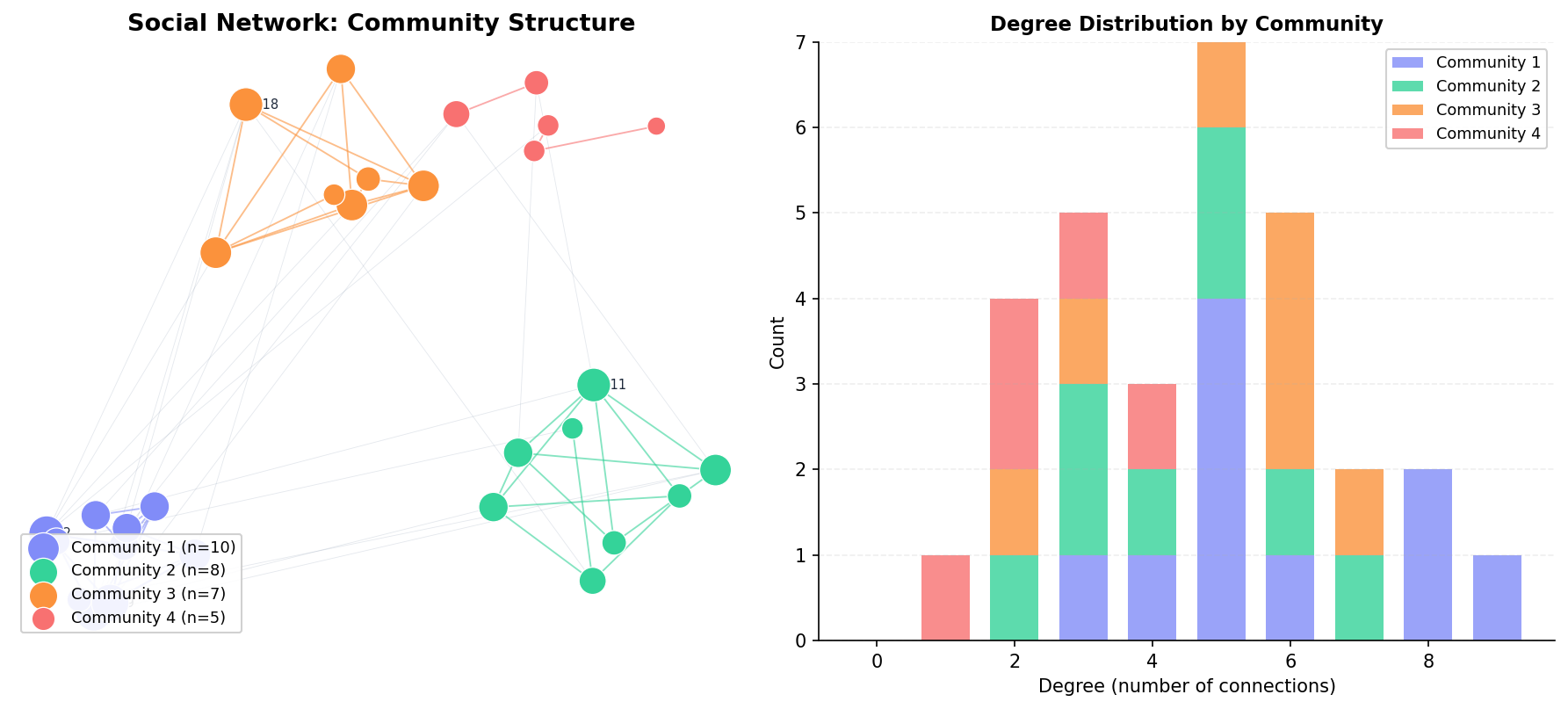
Network graphs, community detection, and relationship mapping.
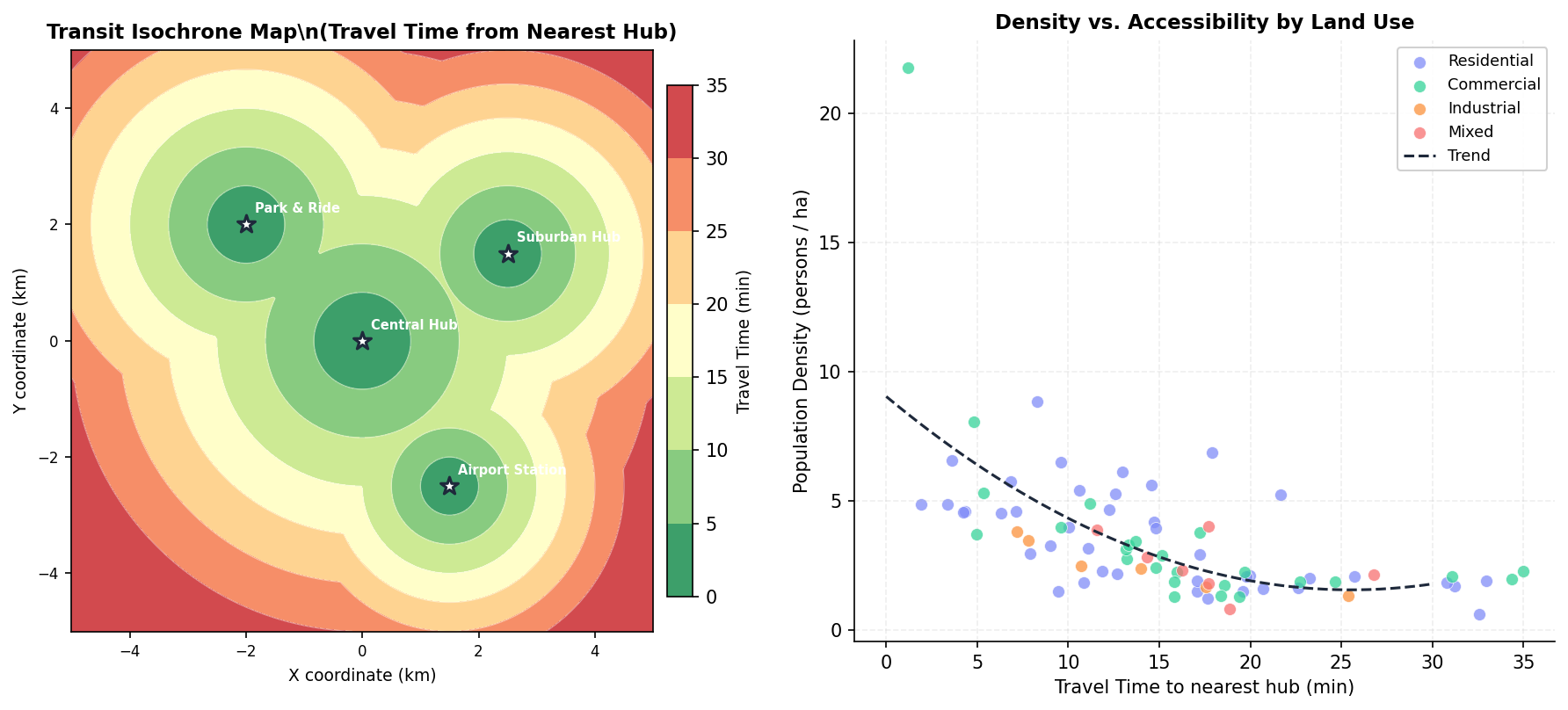
Geospatial analysis, isochrone maps, and voronoi tessellations.
.png&w=1280&q=70)
Create a box plot in Python to compare distributions using quartiles, medians, whiskers, and outliers.
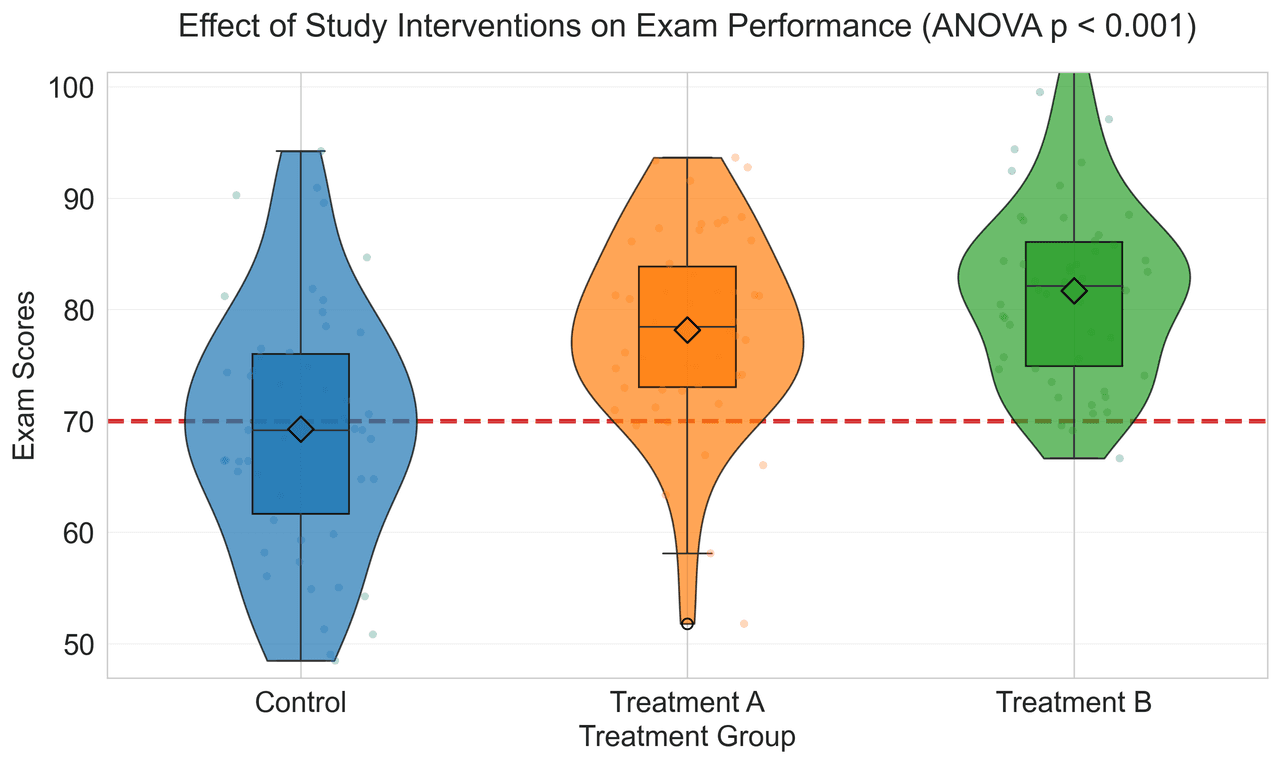
Combines box plots with kernel density to show distribution shape across groups.
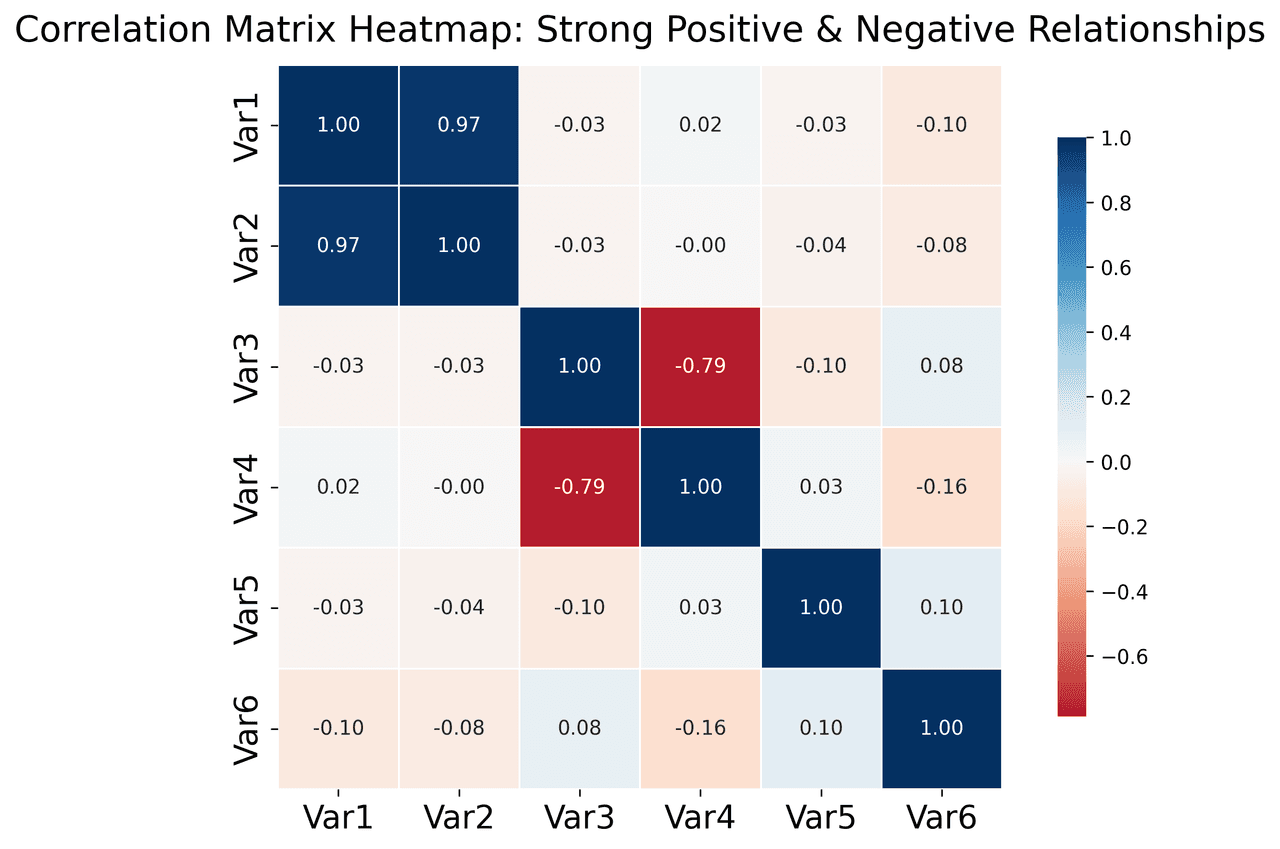
Represents data values as colors in a two-dimensional matrix format.
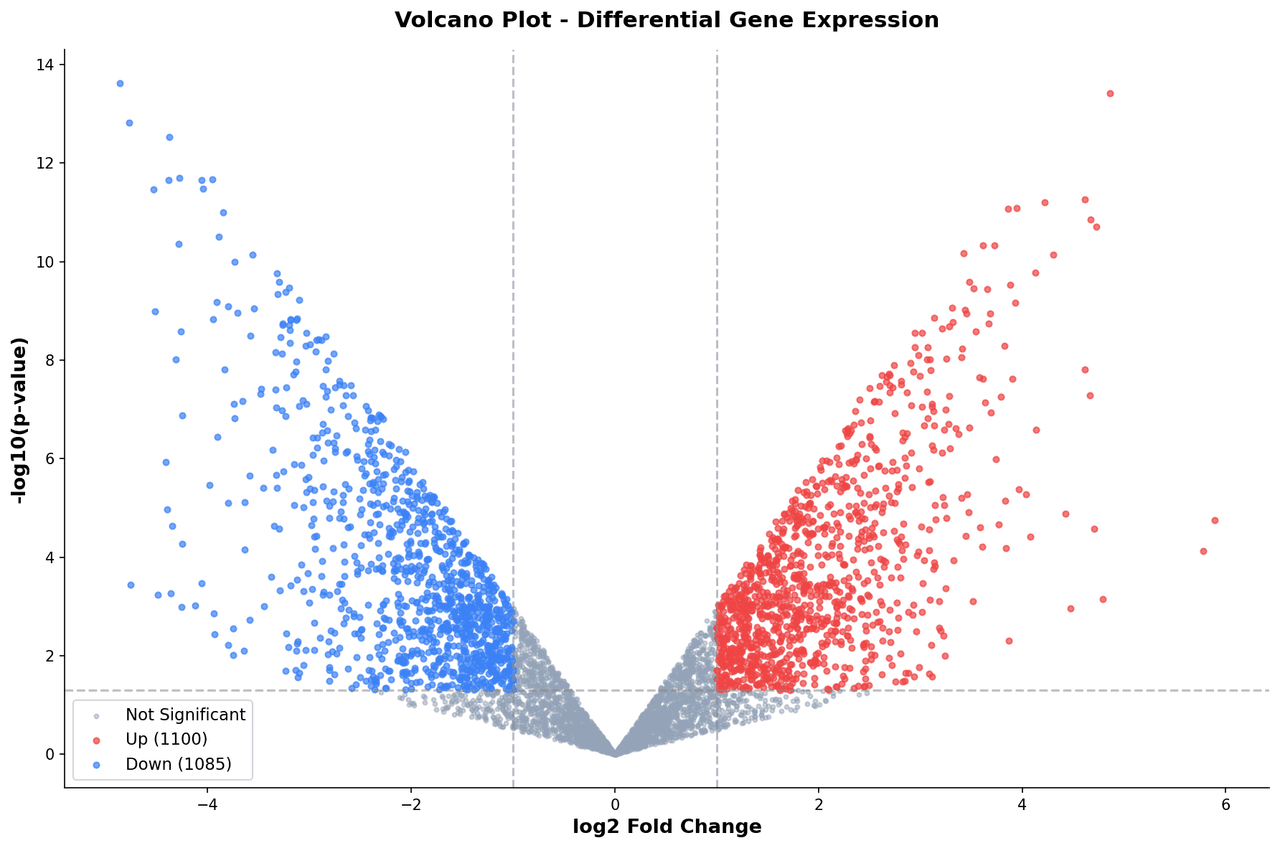
Scatter plot combining statistical significance (-log10 p-value) with effect magnitude (log2 fold-change) to identify differentially expressed genes or proteins.
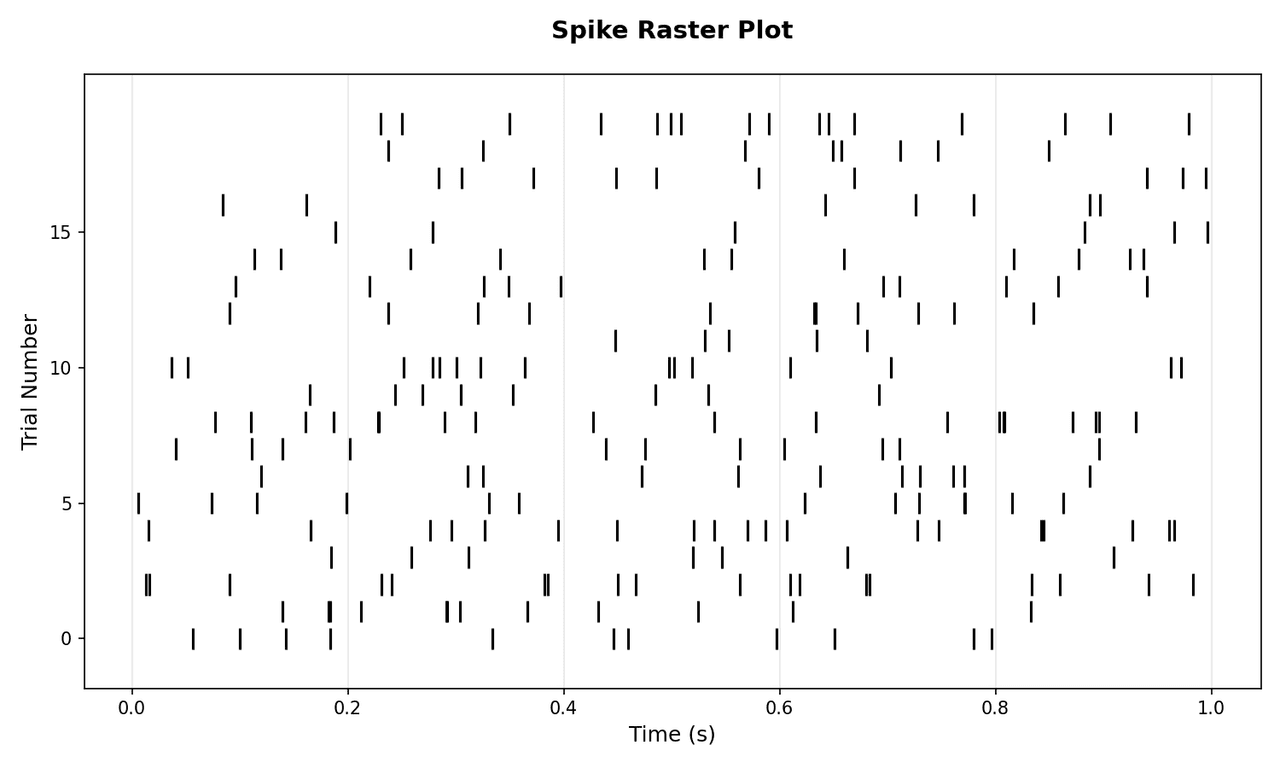
Create a spike raster plot in Python to display neural firing times across trials or neurons, align events to stimulus onset, and inspect firing patterns.
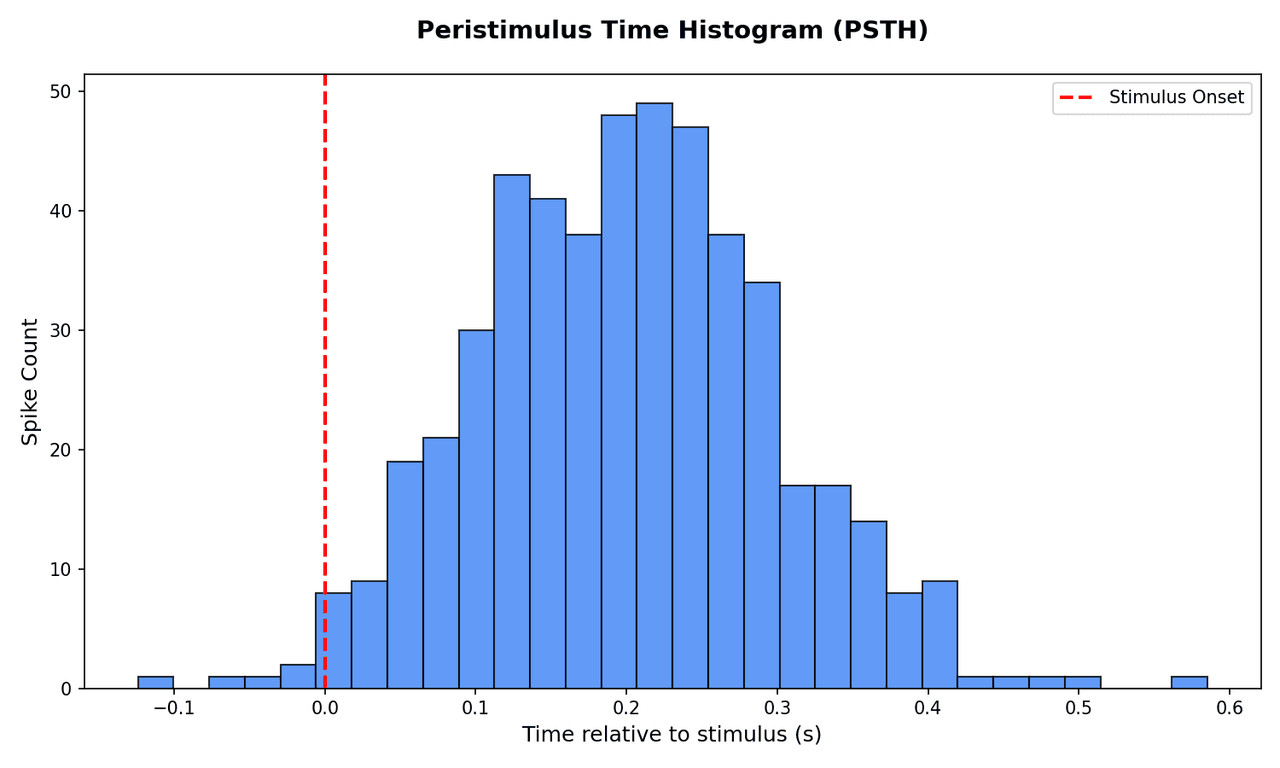
Learn how to create a peristimulus time histogram (PSTH) in Python by aligning spike counts to stimulus onset and normalising them into a firing-rate estimate.
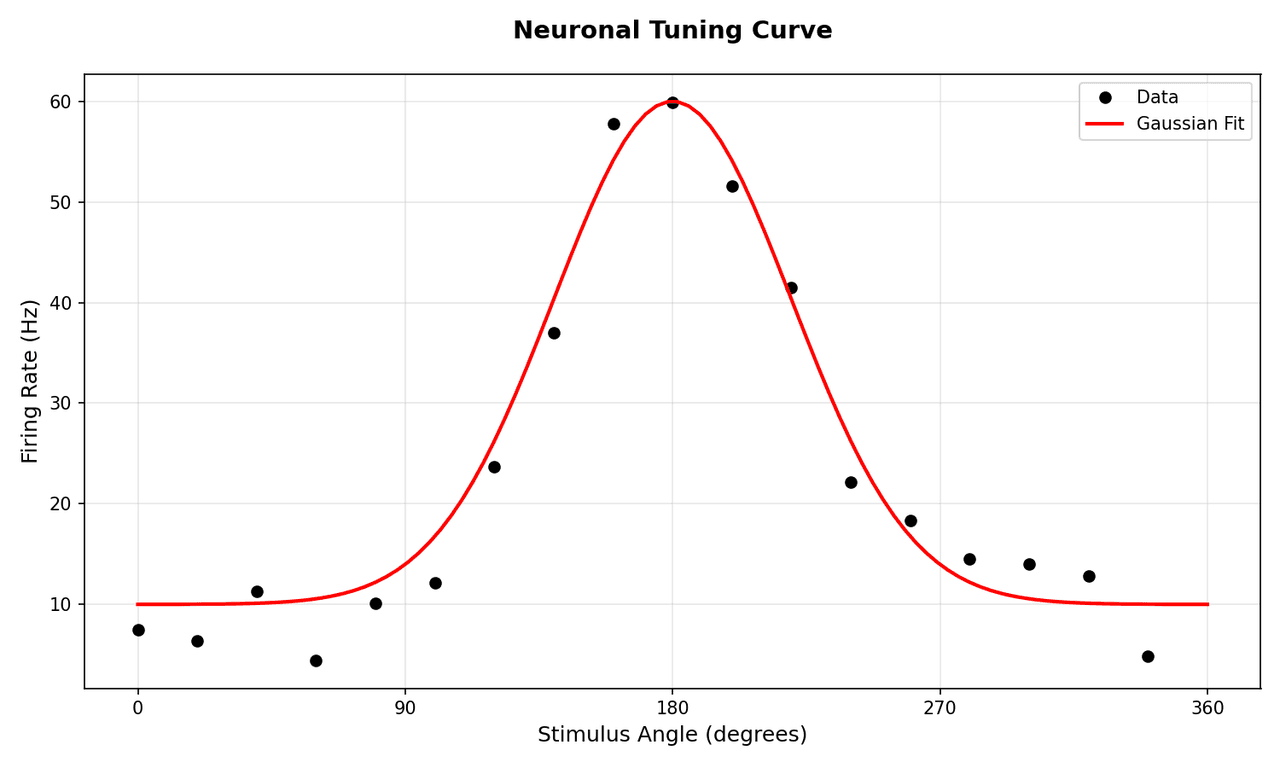
Create a neuronal tuning curve in Python to plot mean firing rate across stimulus values, show uncertainty, and fit a Gaussian or von Mises response model.
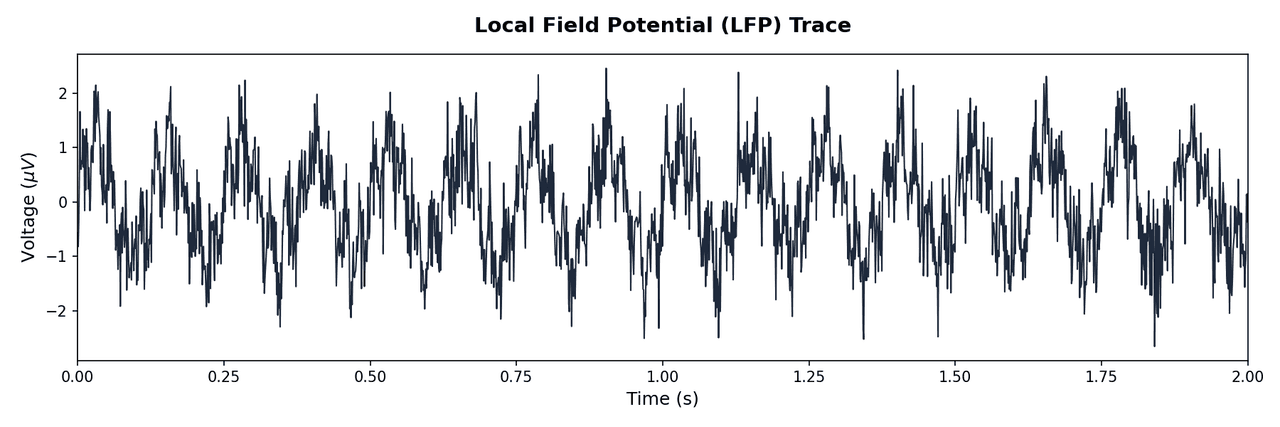
Create an LFP trace in Python with Matplotlib to show raw or filtered local field potential voltage over time, including stacked multi-channel recordings.
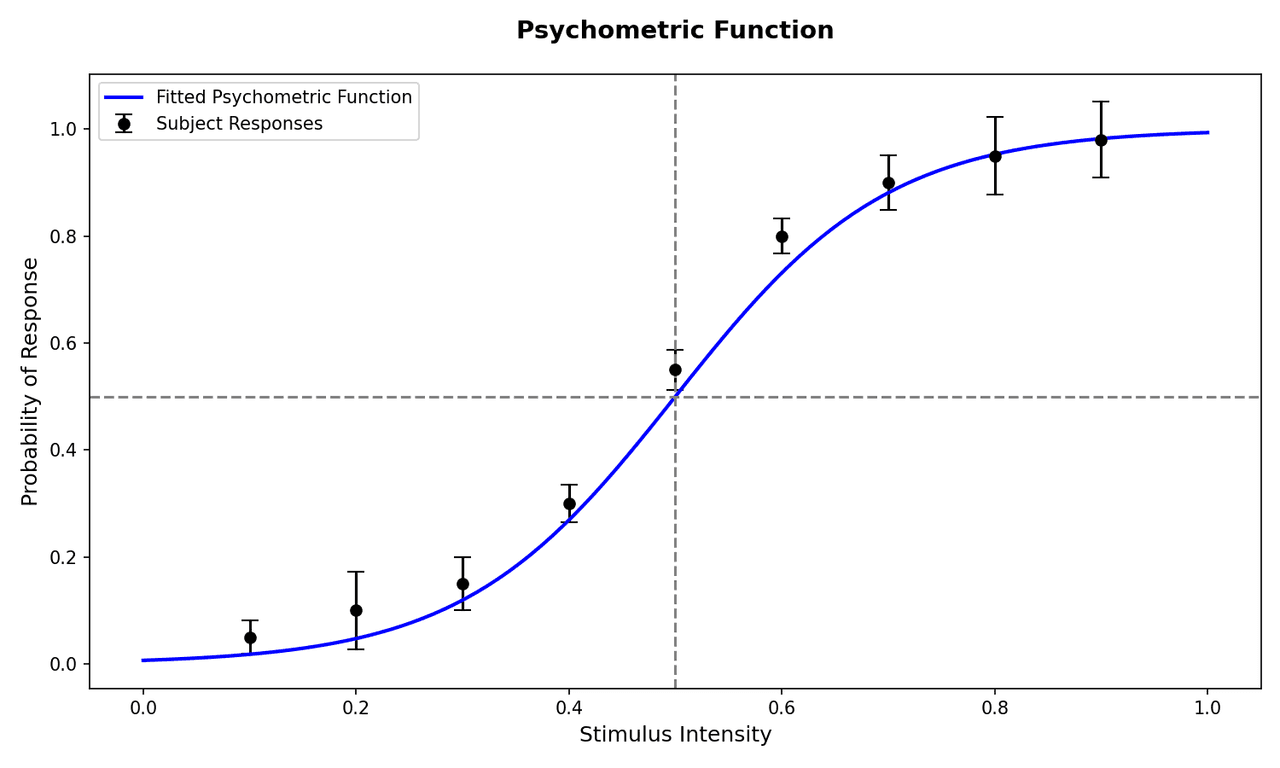
Learn how a psychometric function in Python visualises proportion-correct or hit-rate data across stimulus intensity with a fitted sigmoidal curve.
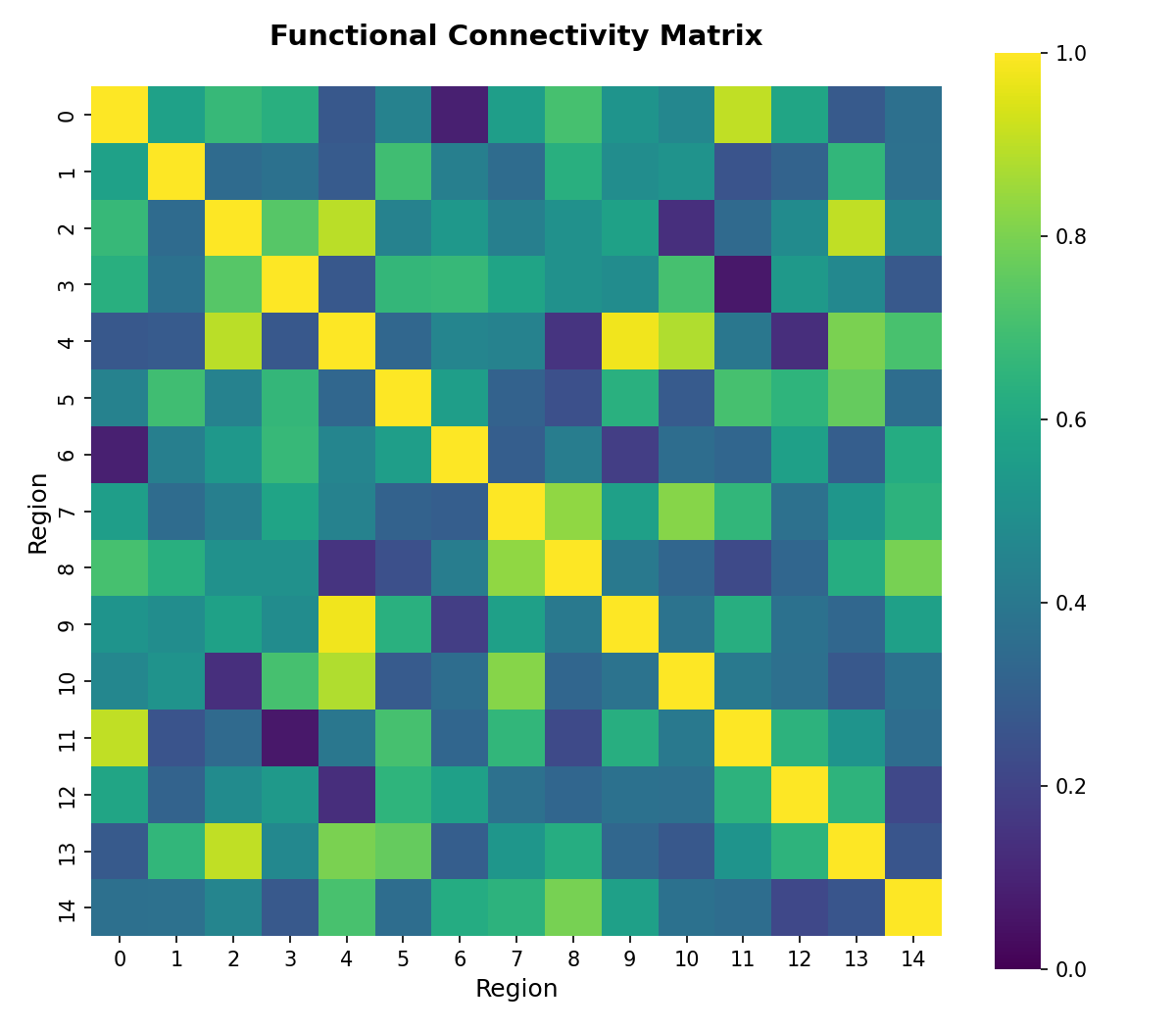
Learn how a connectivity matrix in Python uses a square heatmap to show pairwise connection strengths between brain regions or network nodes.
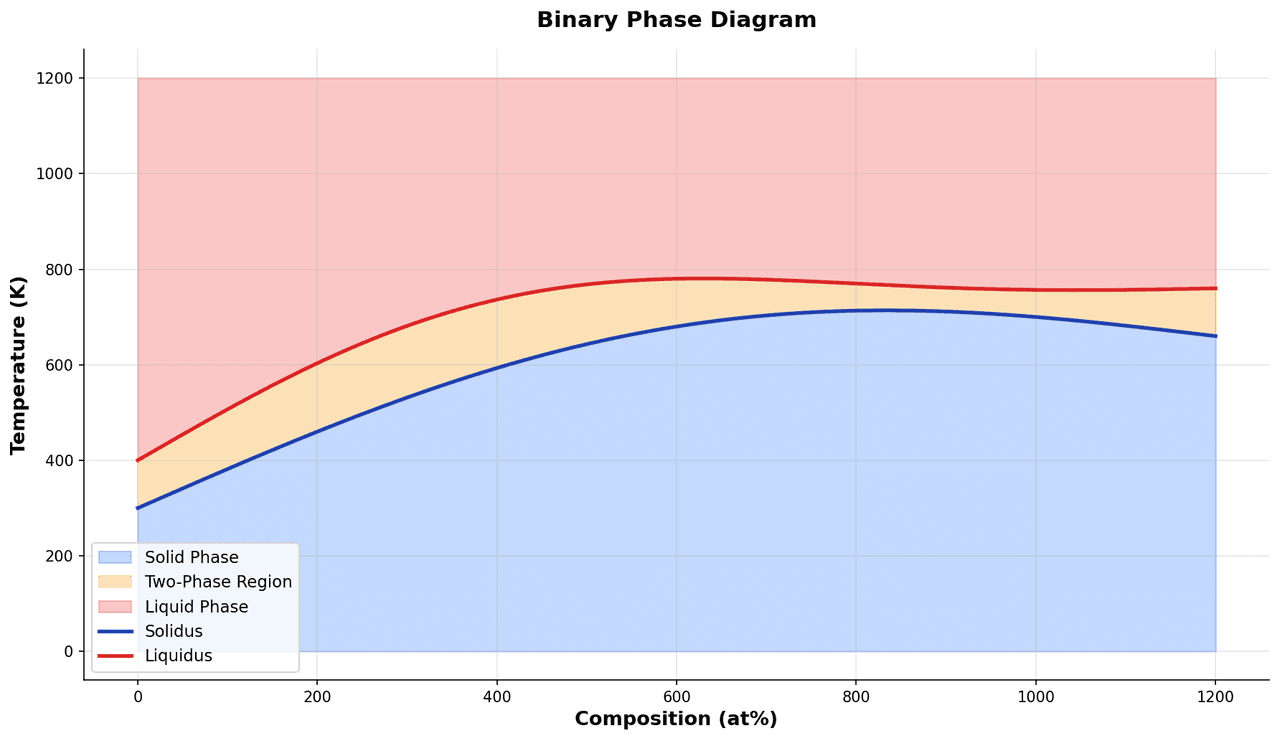
Displays thermodynamic stability regions and phase boundaries as a function of temperature, pressure, or composition.
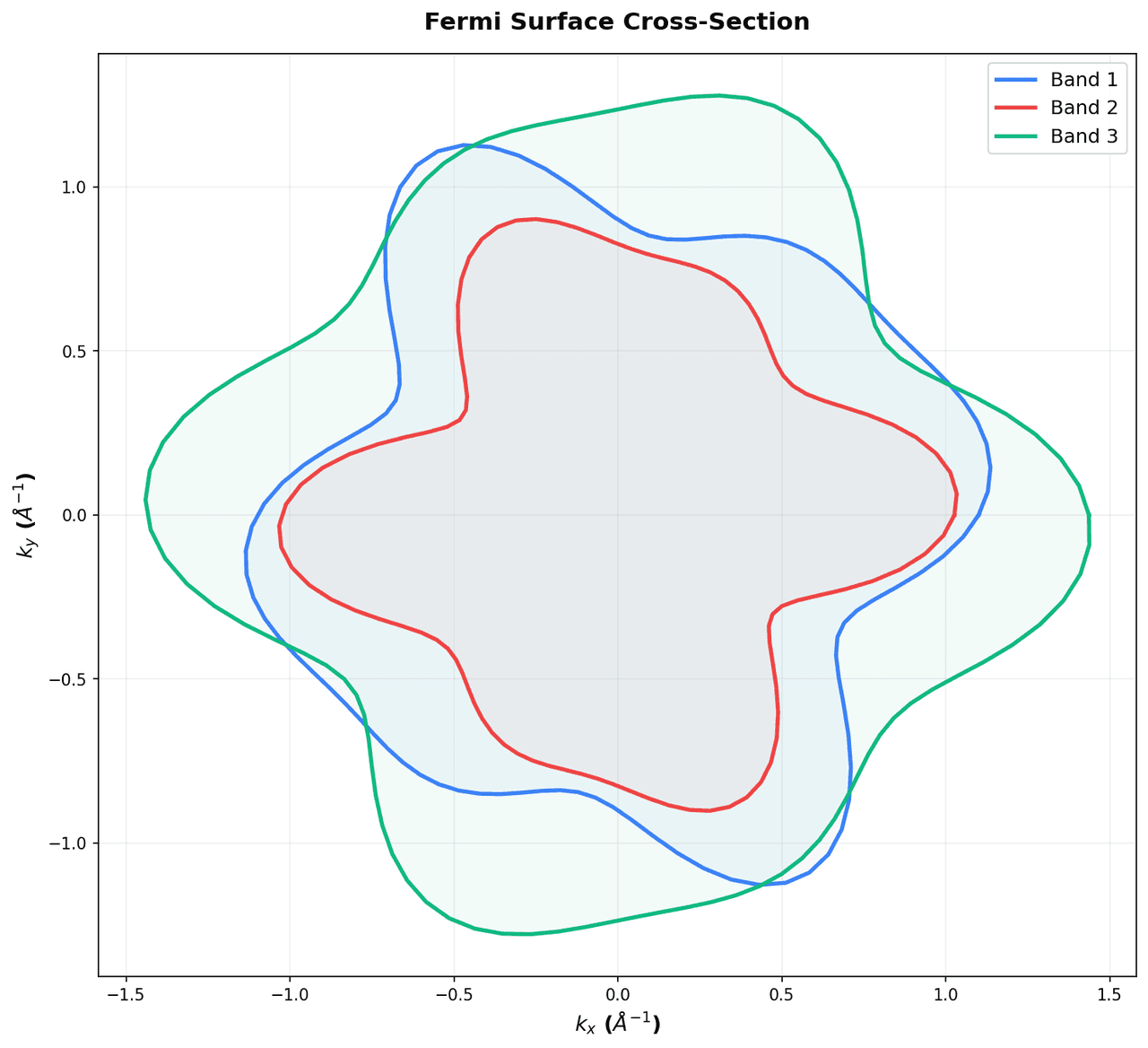
Visualizes the constant-energy surface in reciprocal space that separates occupied from unoccupied electronic states at absolute zero.
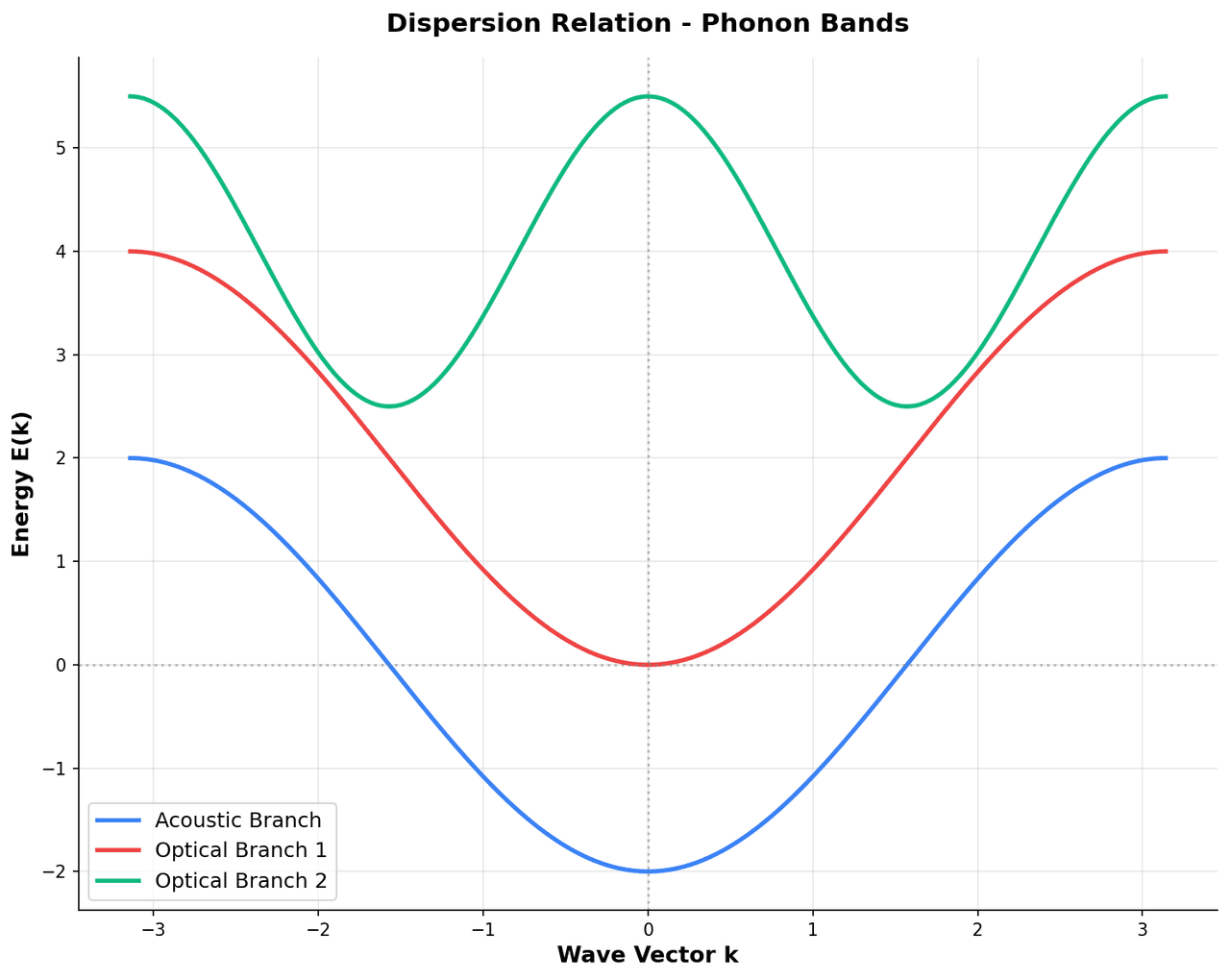
Plots energy or frequency as a function of wave vector along high-symmetry paths in the Brillouin zone.
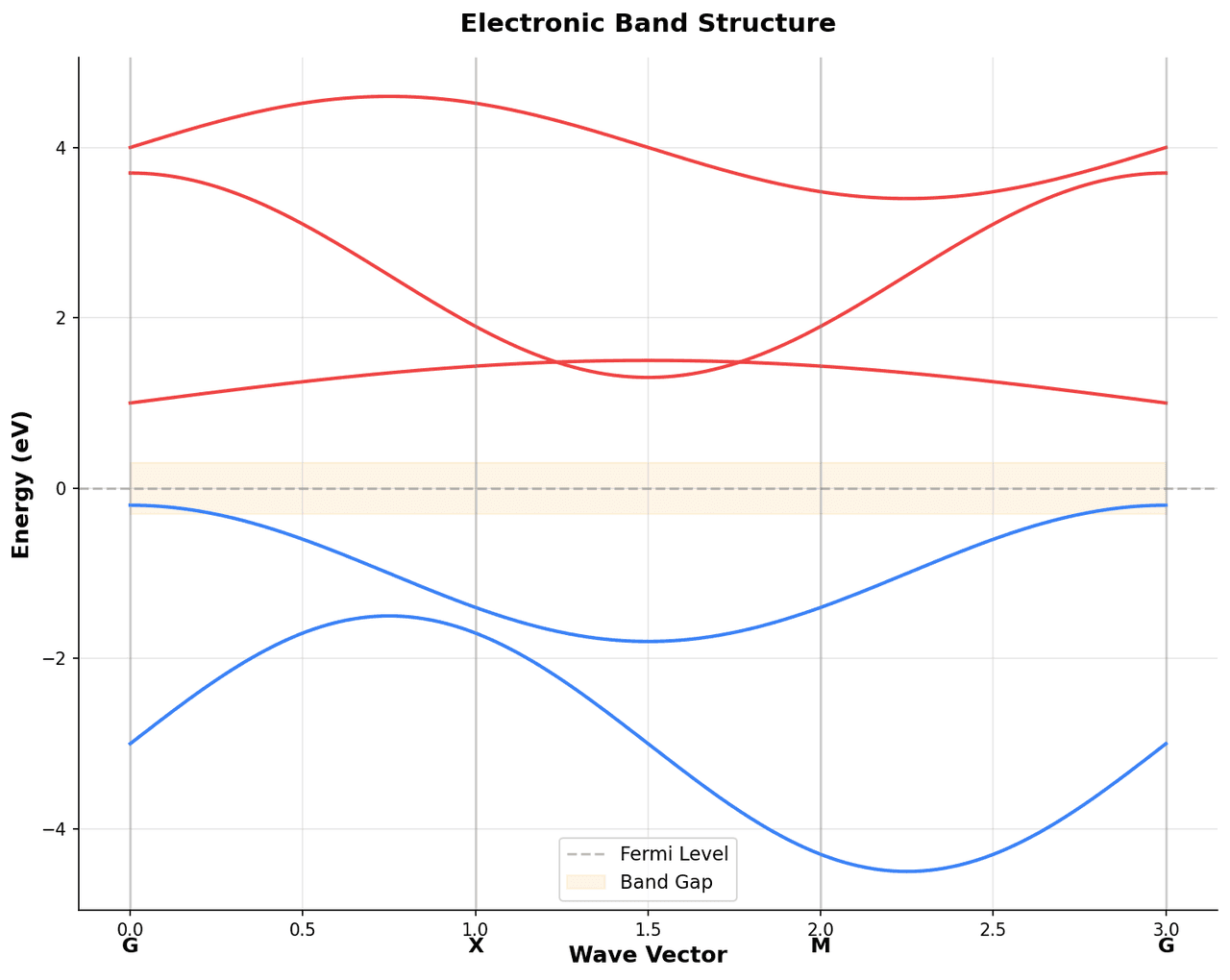
Displays the allowed electronic energy levels as a function of crystal momentum, revealing the band gap, effective masses, and band topology.
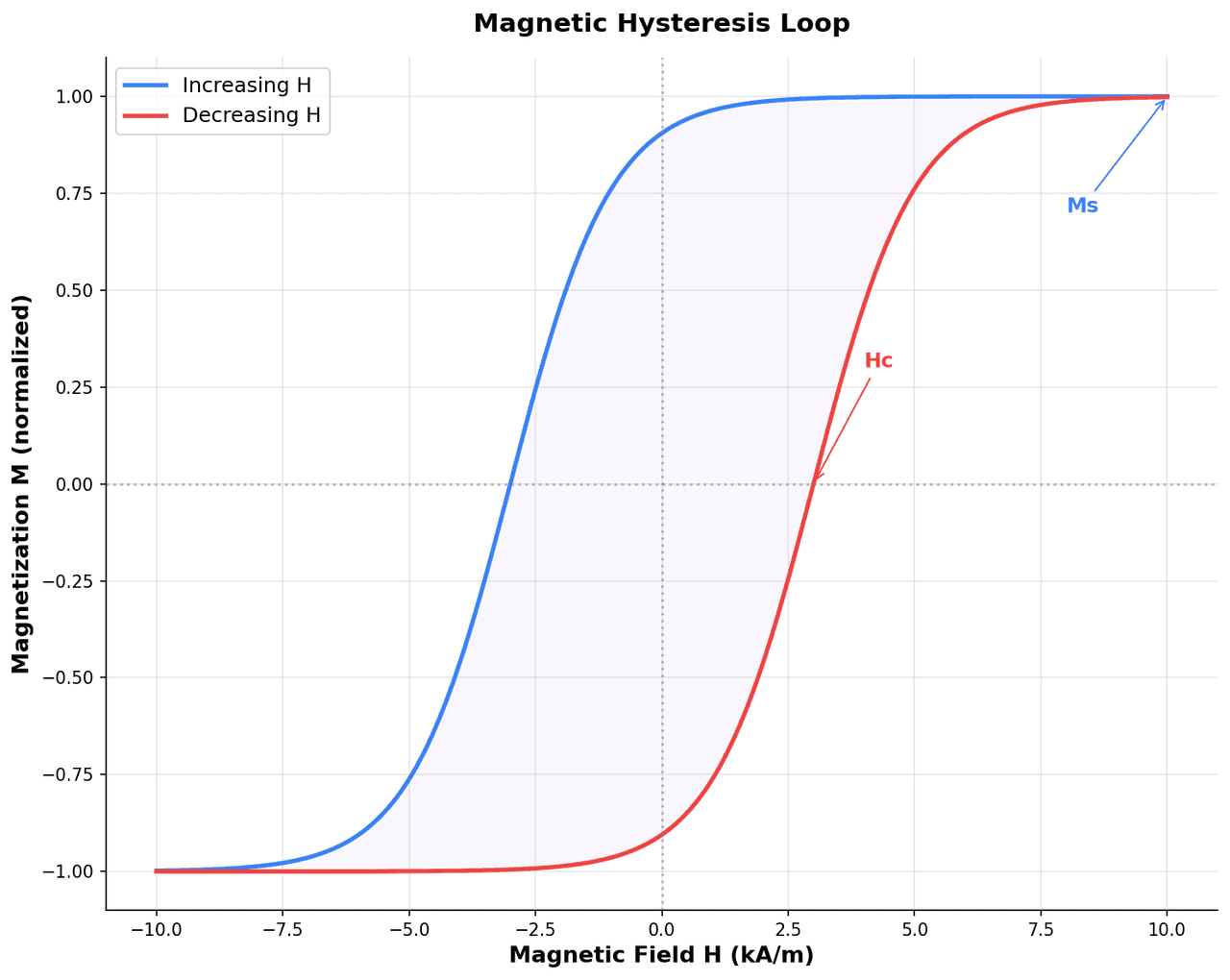
Plots magnetization as a function of applied magnetic field, forming the characteristic closed loop that quantifies coercivity, remanence, and saturation.
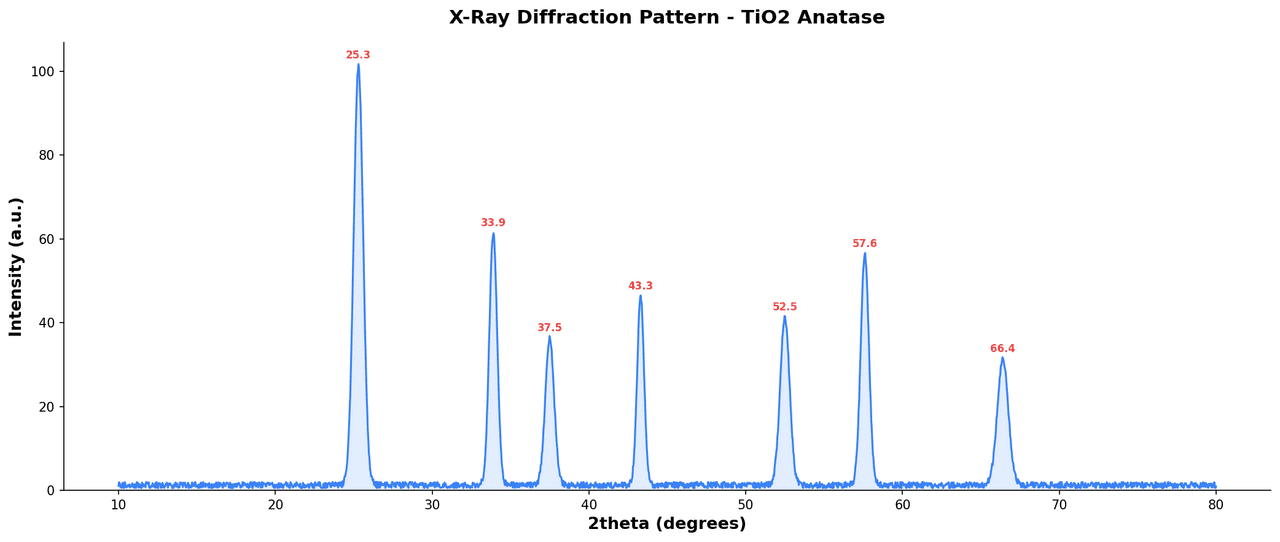
Displays X-ray diffraction intensity versus 2-theta angle with labeled Bragg reflections for crystal phase identification and structural analysis.
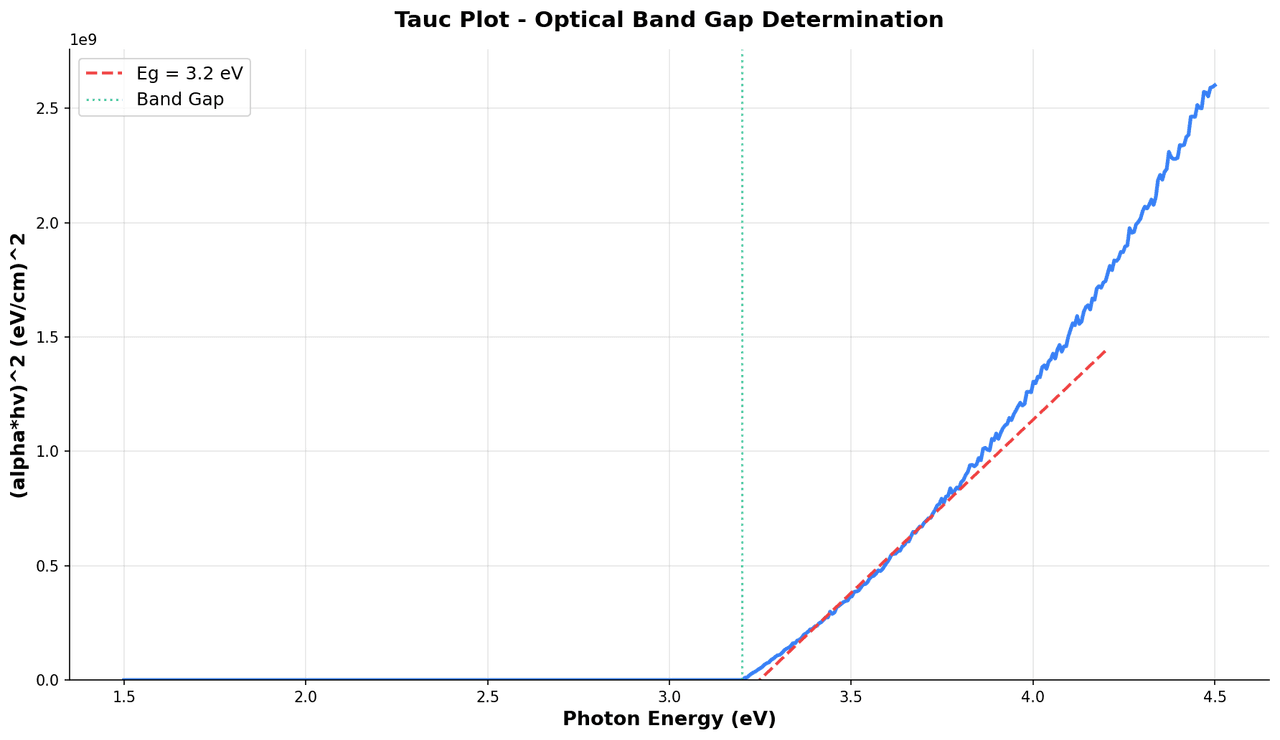
Plots (alpha*h*nu)^n versus photon energy to extract the optical band gap by linear extrapolation of the absorption edge.
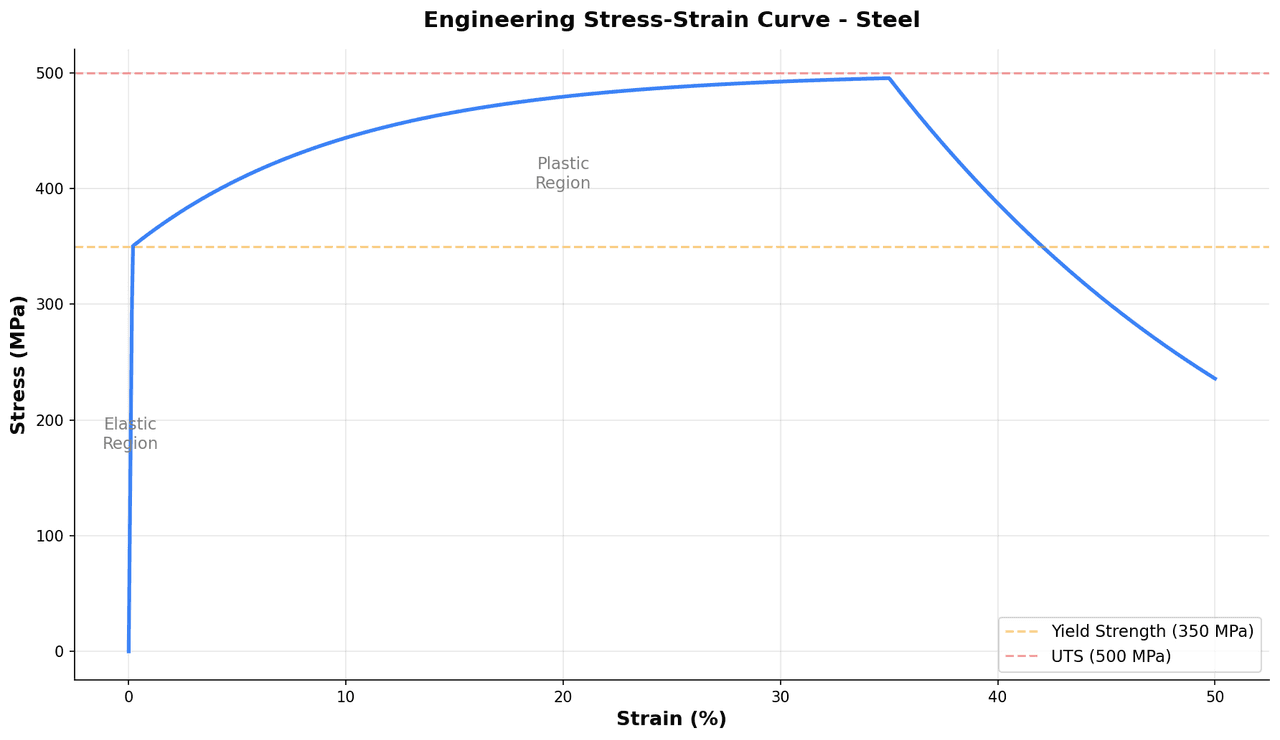
Displays mechanical stress versus strain from tensile testing, annotating elastic modulus, yield point, ultimate tensile strength, and fracture.
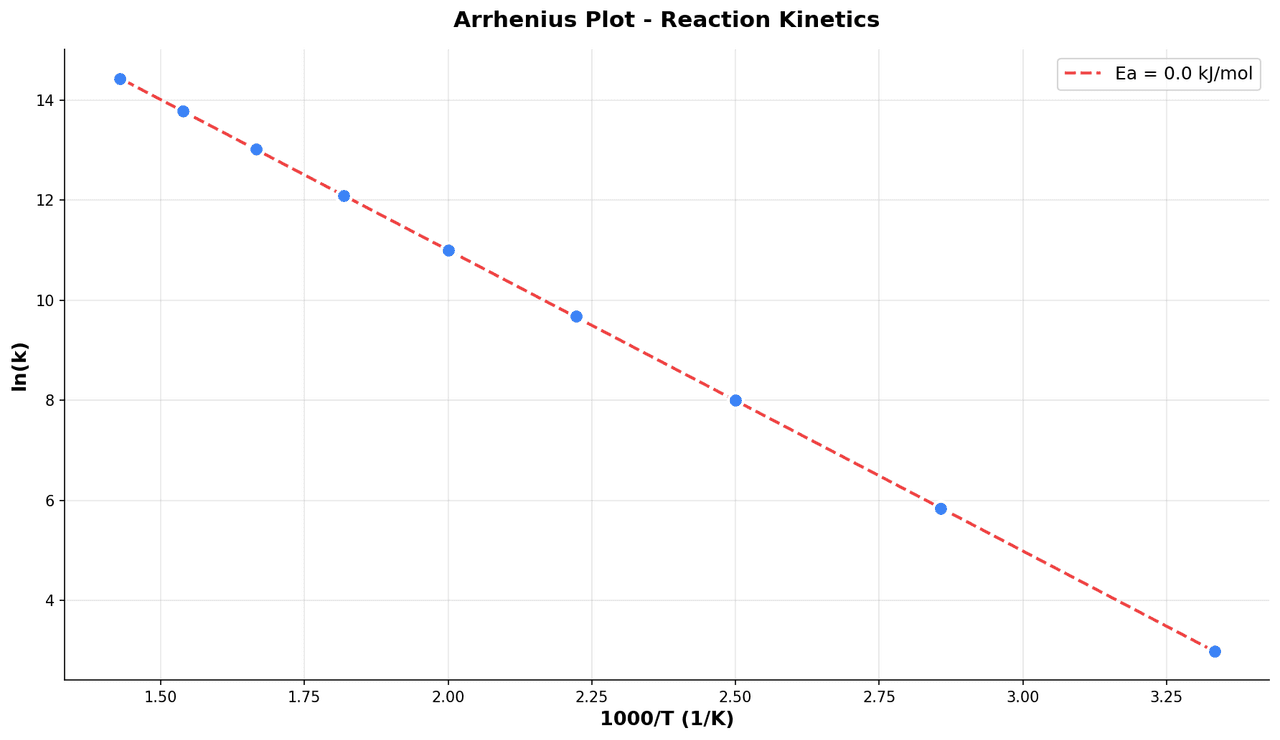
Plots the natural logarithm of rate constant versus inverse temperature to extract activation energy from the linear slope.
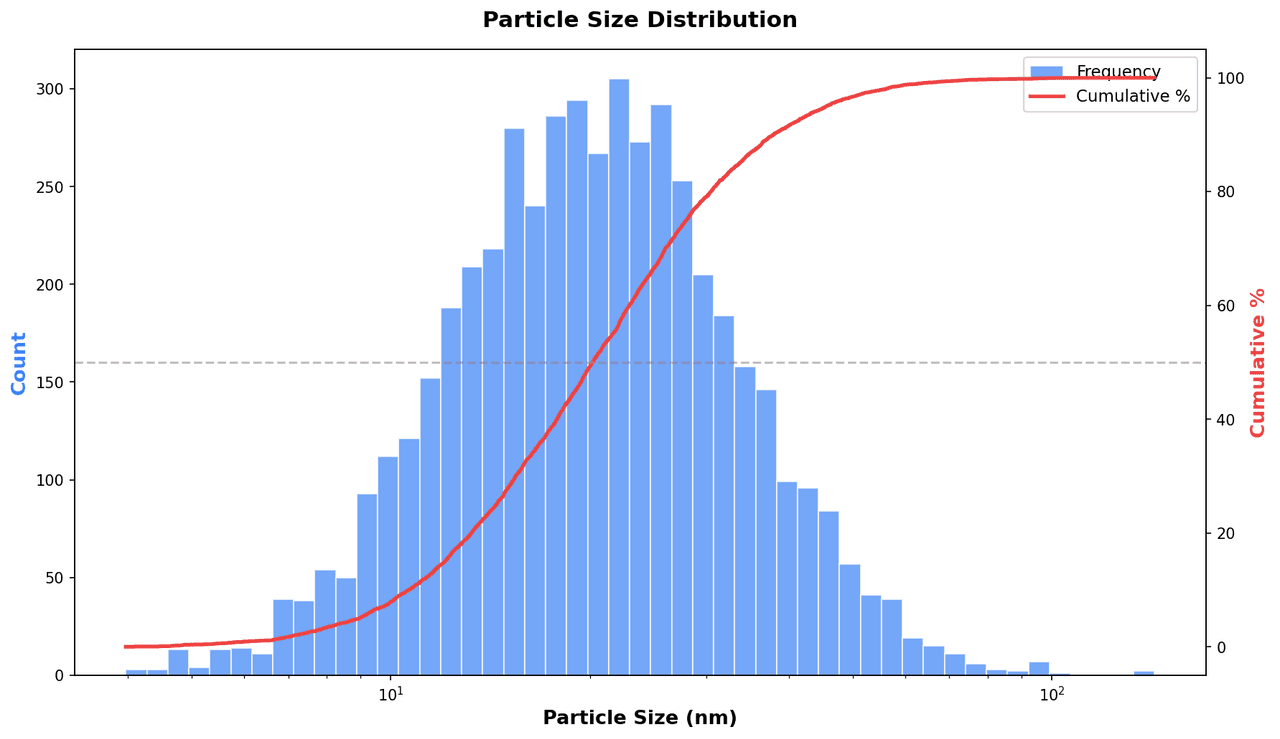
Displays the frequency or volume-weighted distribution of particle diameters, typically fitted with log-normal or Gaussian models.
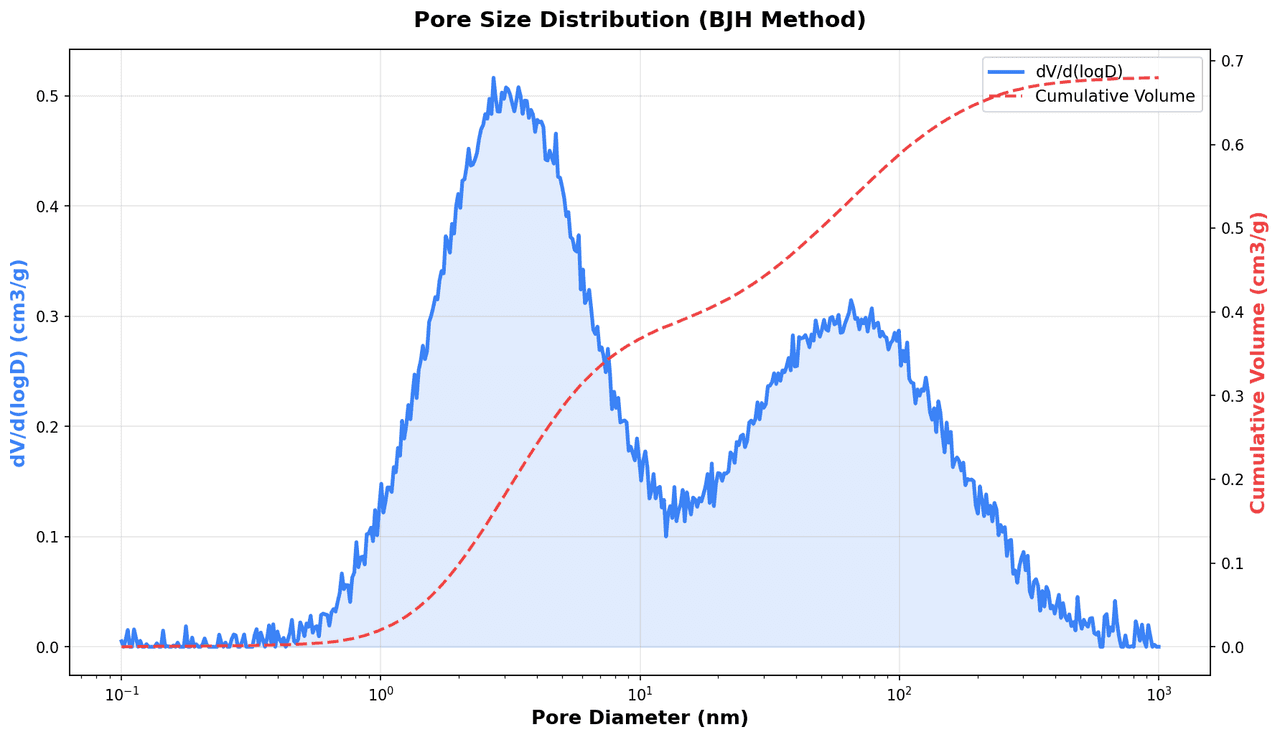
Displays the differential pore volume versus pore diameter derived from gas adsorption isotherms using BJH or DFT methods.
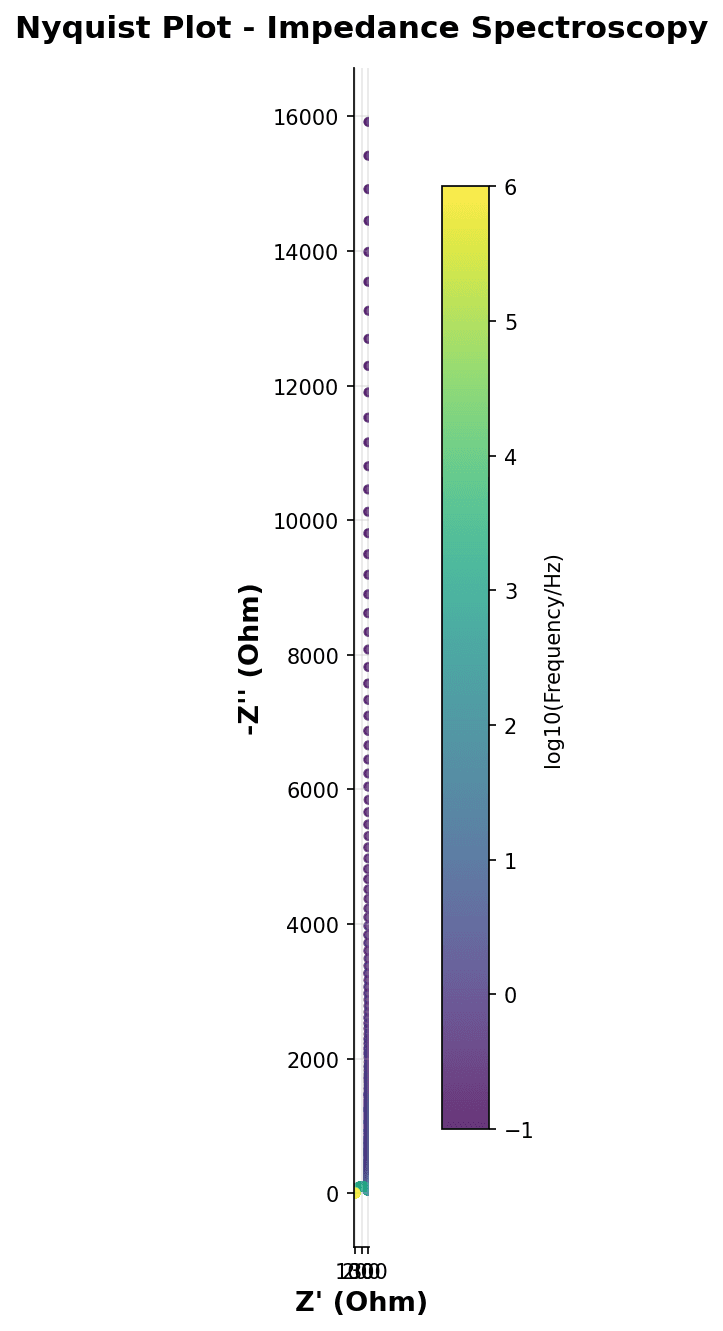
Displays electrochemical impedance data as Nyquist (-Z'' vs Z') and Bode (|Z| and phase vs frequency) plots for equivalent circuit analysis.
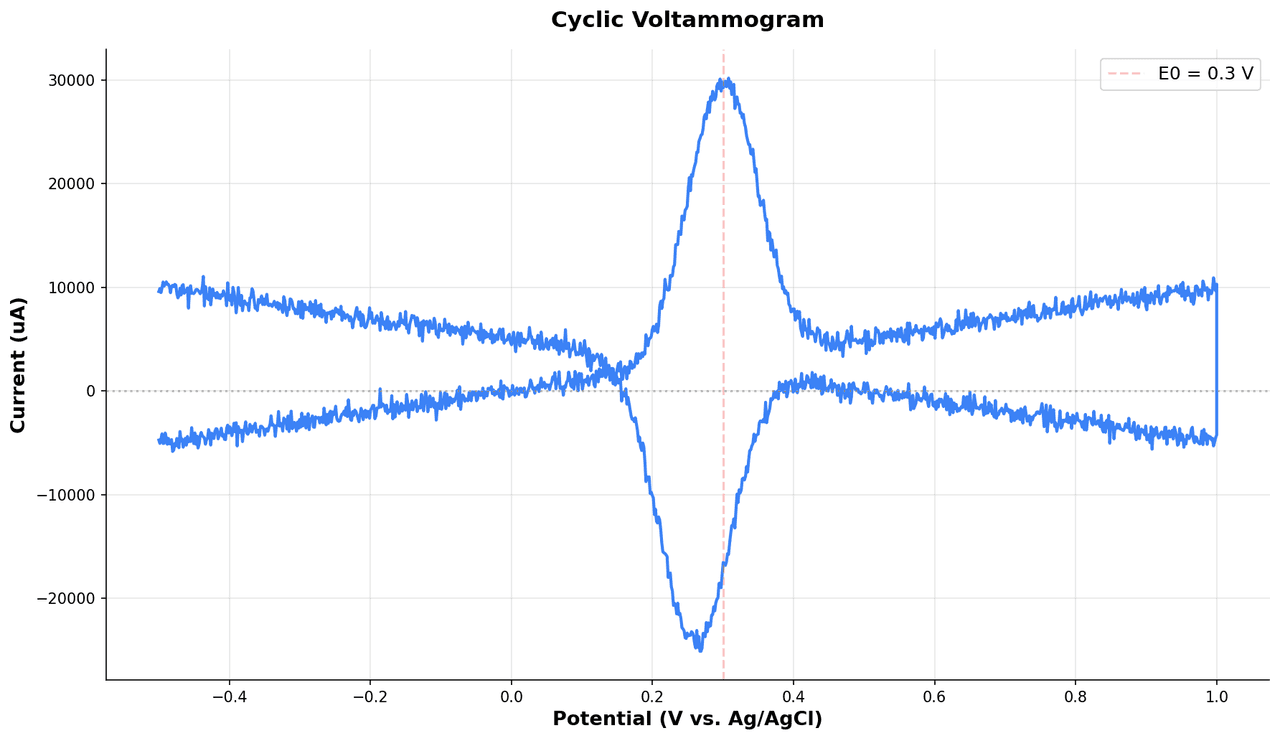
Displays current versus potential from cyclic voltammetry experiments, revealing redox peaks, electrochemical windows, and electrode kinetics.
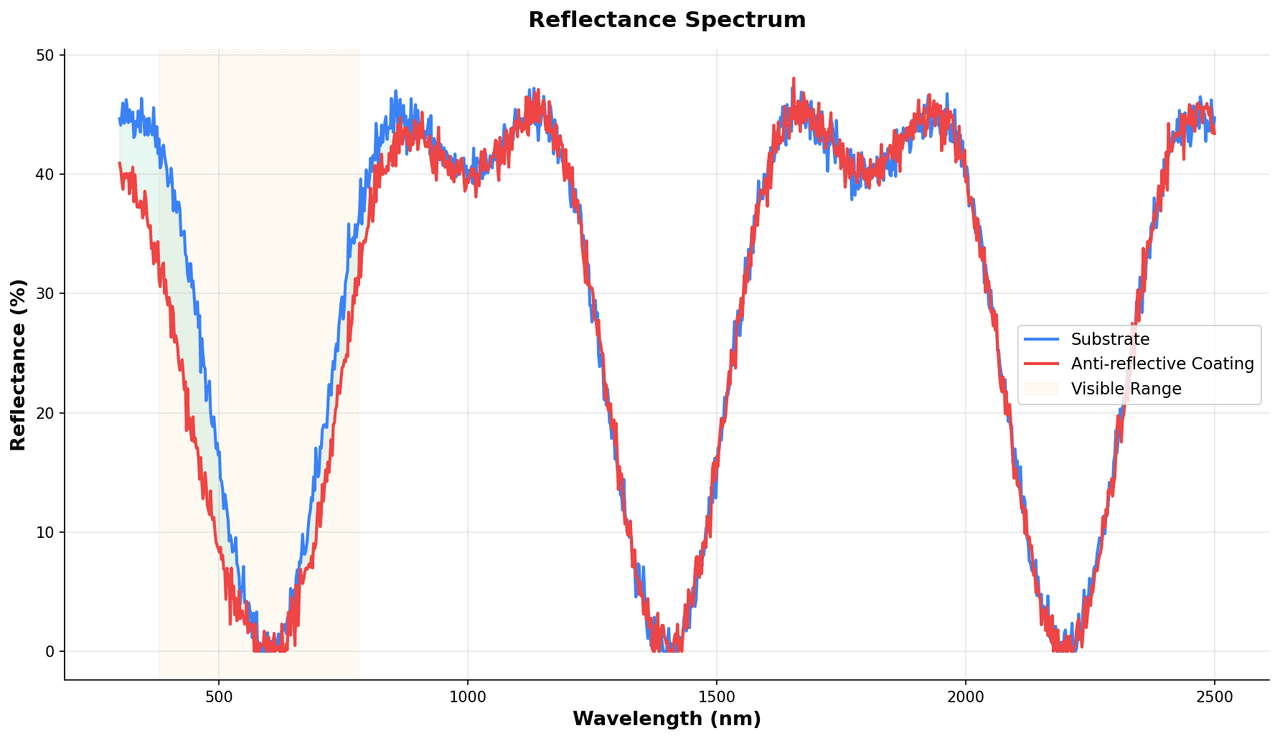
Plots optical reflectance as a function of wavelength, revealing absorption edges, interference fringes, and plasmonic resonances in optical materials.
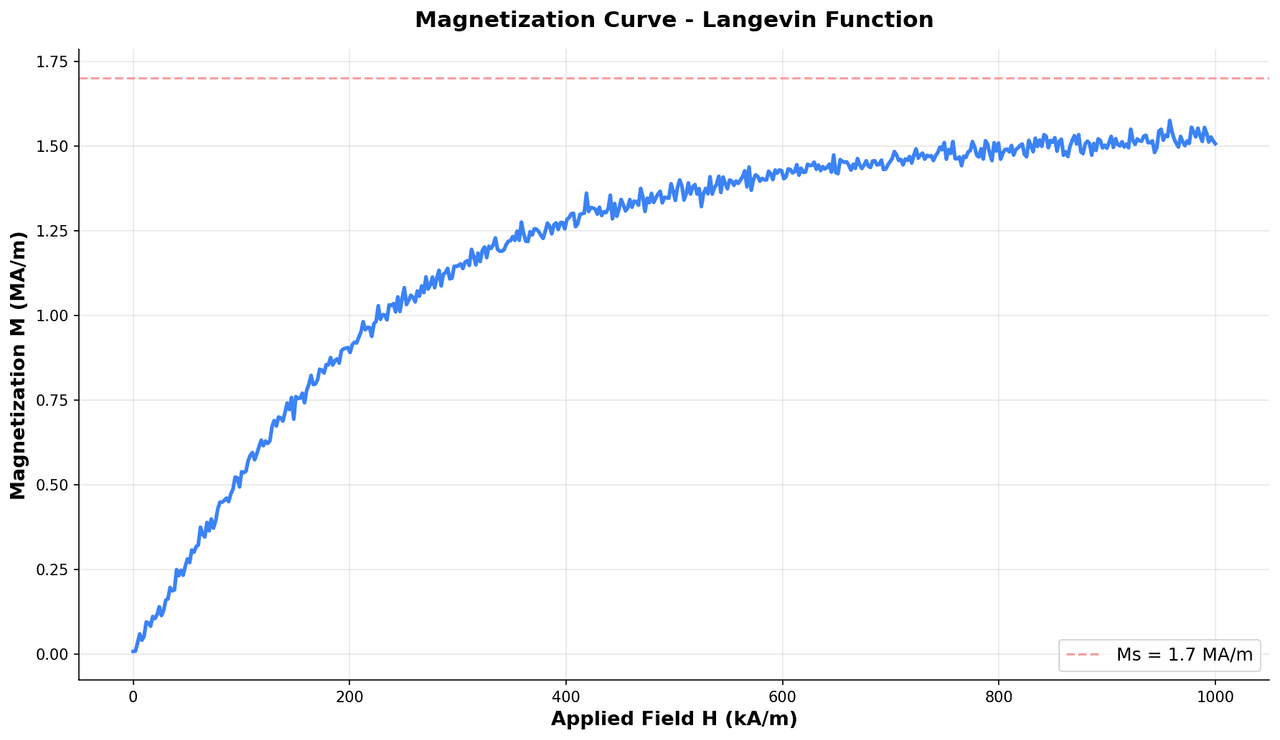
Plots magnetization versus temperature (M-T) or field (M-H) to reveal magnetic ordering temperatures, saturation, and phase transitions.
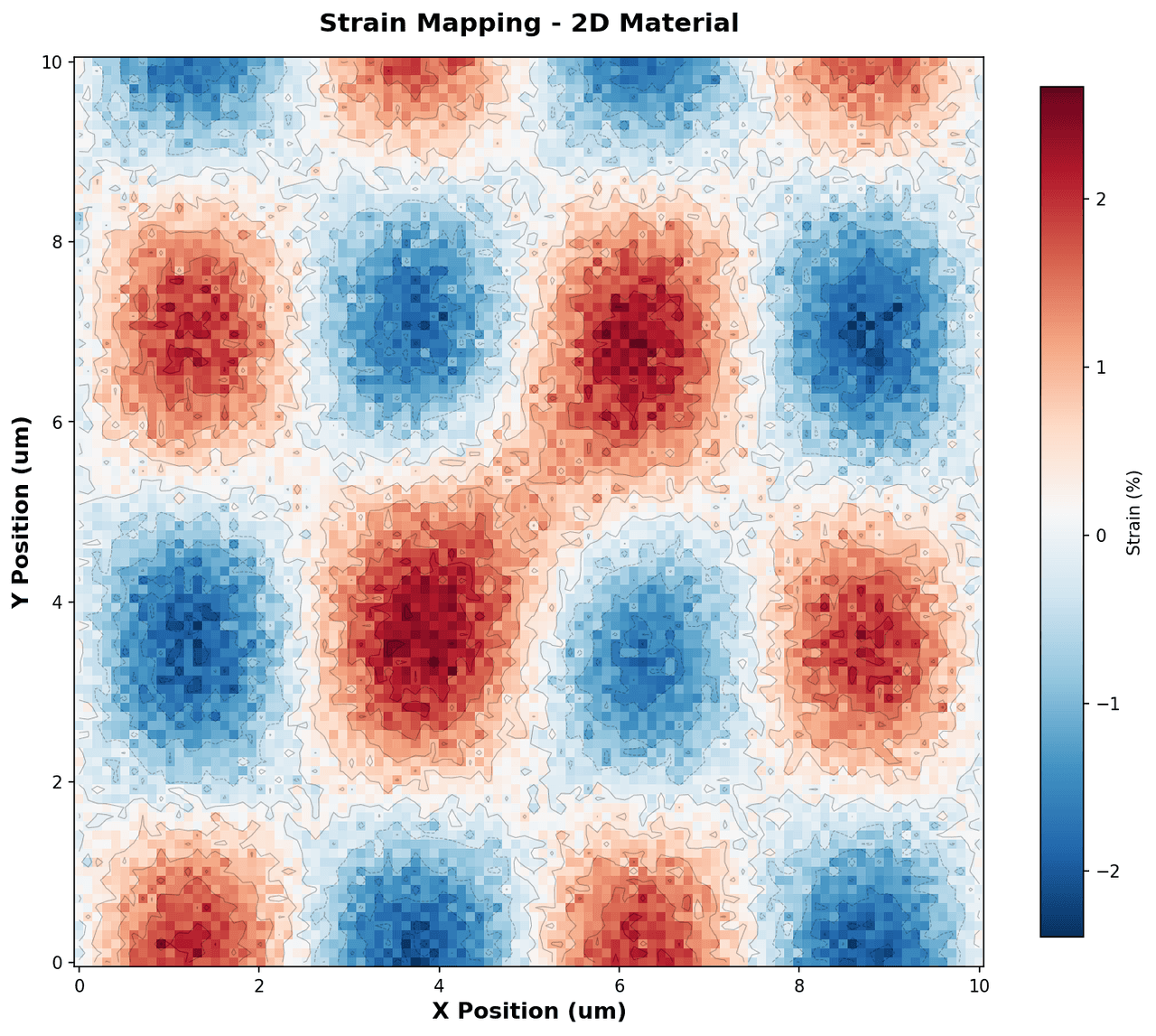
Visualizes spatially resolved strain fields as 2D color maps from digital image correlation (DIC), EBSD, or finite element simulations.
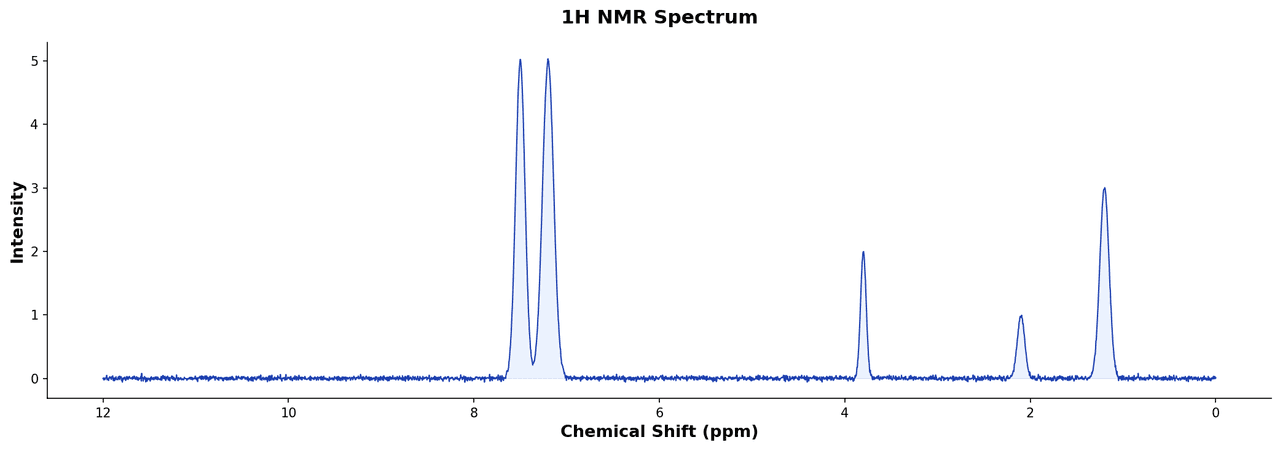
Visualize NMR spectroscopy data as intensity versus chemical shift (ppm) with annotated peaks.
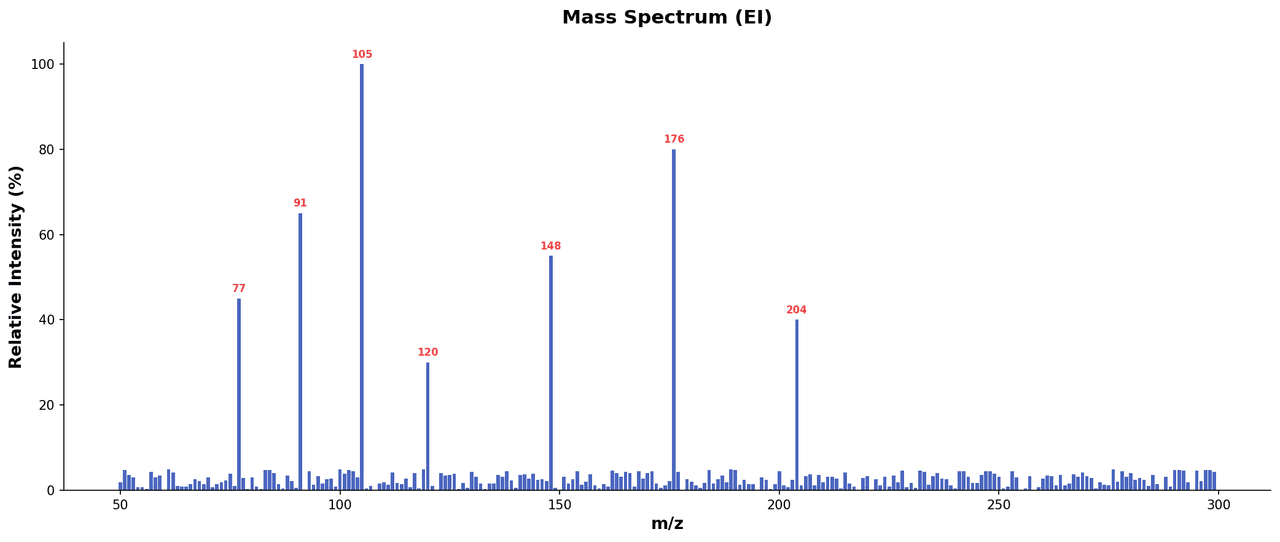
Plot m/z ratio against relative intensity as a vertical stick spectrum for mass spectrometry data.
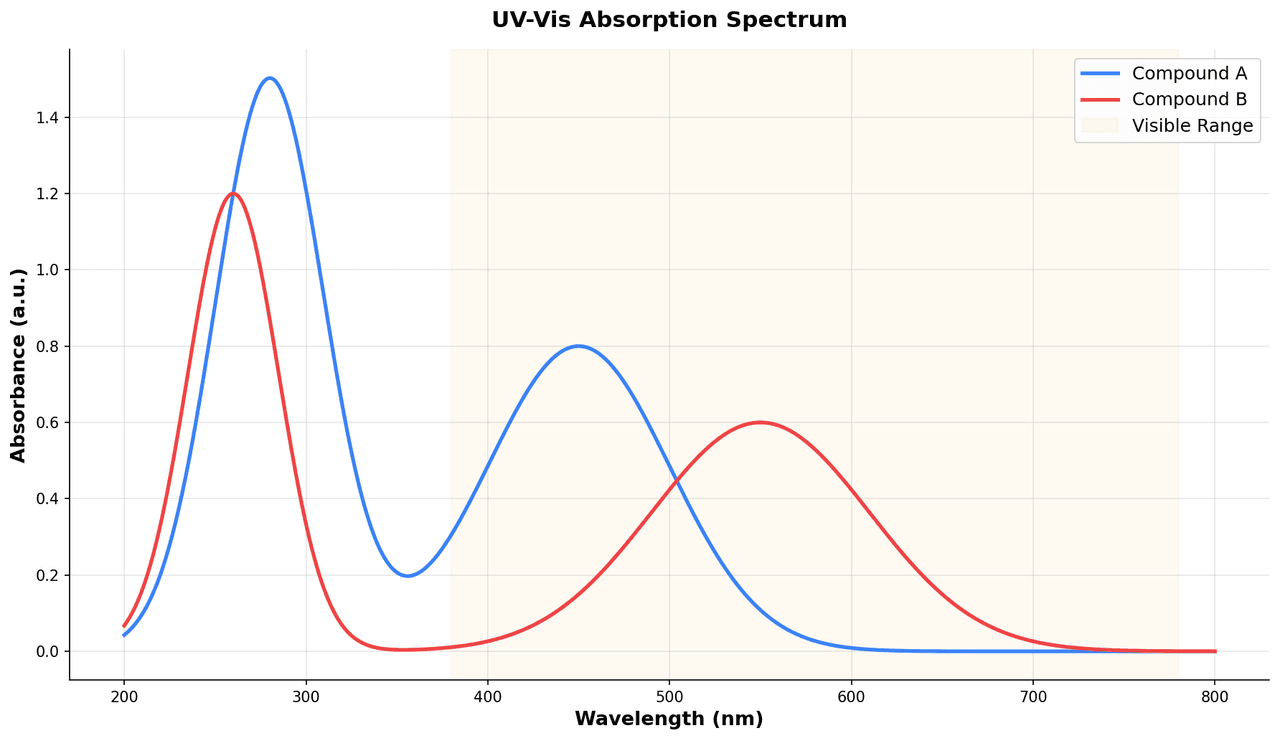
Visualize ultraviolet-visible absorbance or transmittance as a function of wavelength with lambda max annotation.
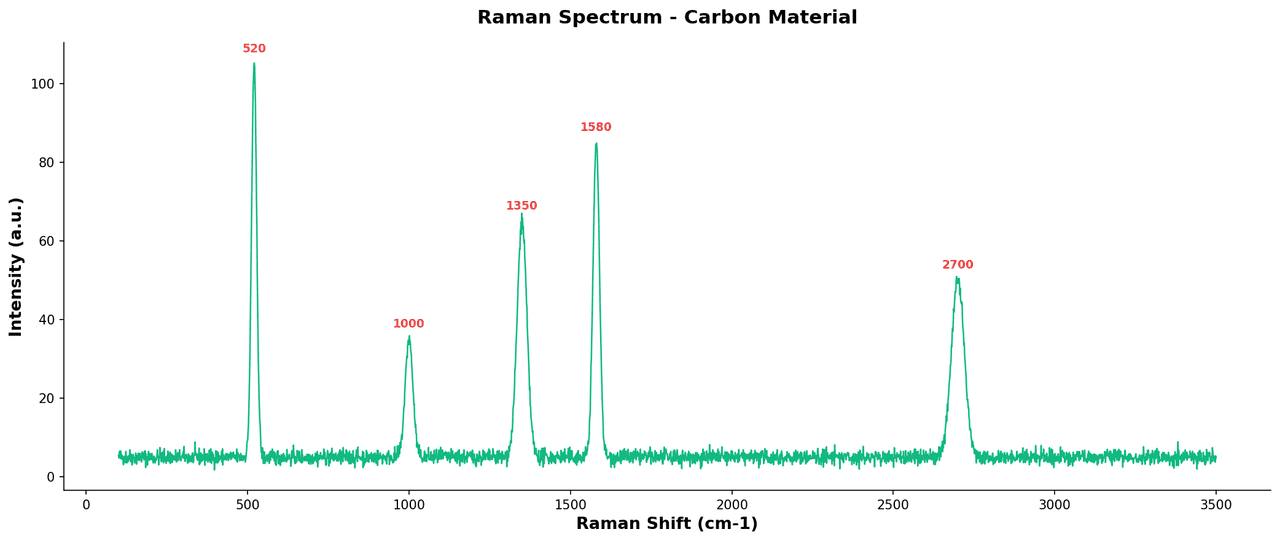
Plot Raman scattering intensity against Raman shift (cm-1) with baseline correction and annotated characteristic peaks.
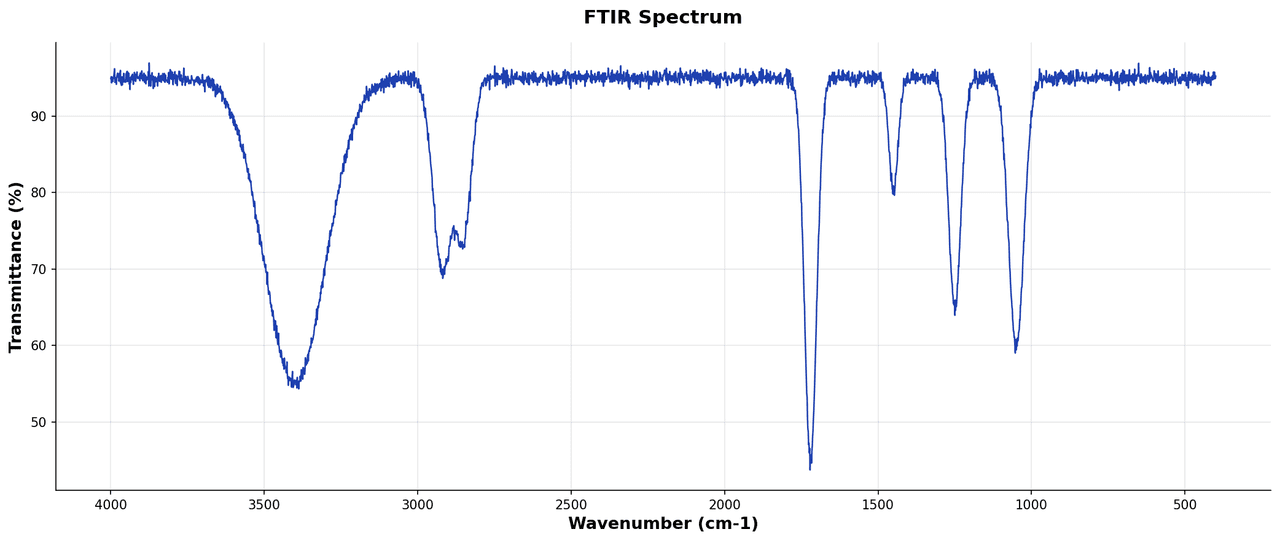
Plot FTIR infrared transmittance or absorbance against wavenumber with annotated functional group regions.
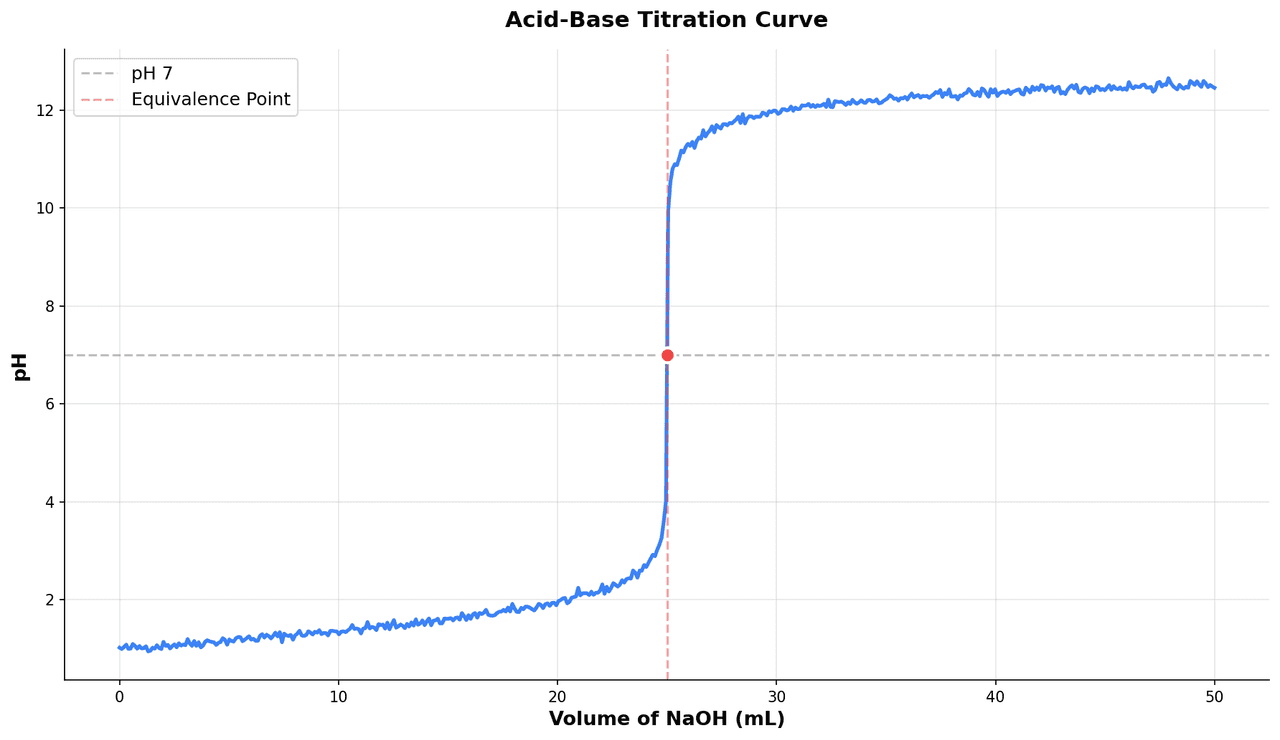
Plot pH against titrant volume to visualize acid-base titration with equivalence point and buffer region annotations.
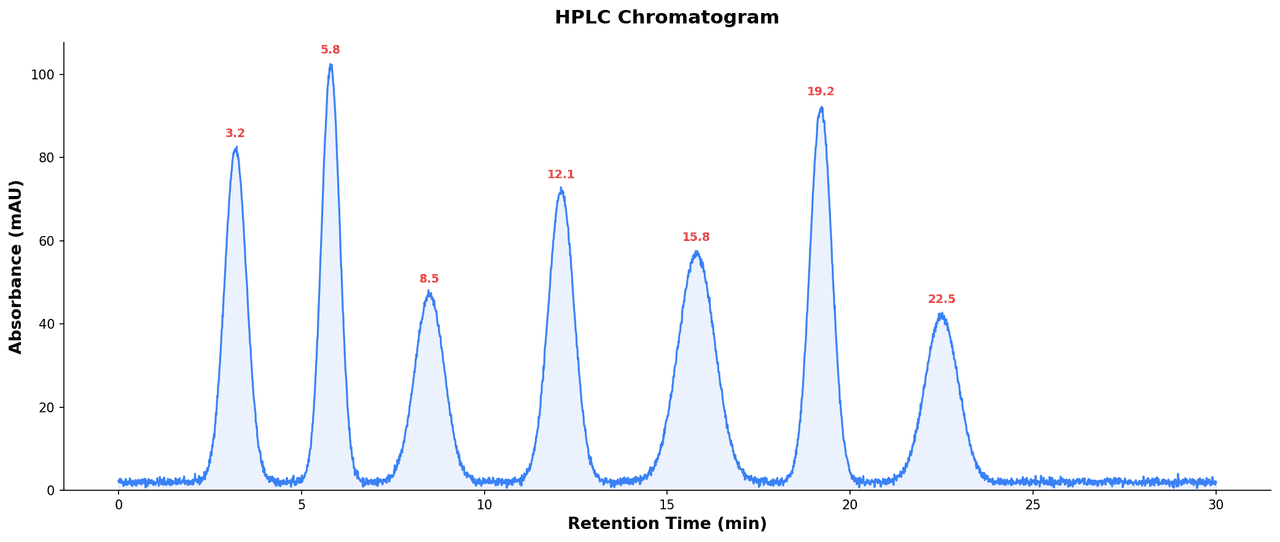
Visualize HPLC or GC chromatography detector response versus retention time with peak identification and area integration.
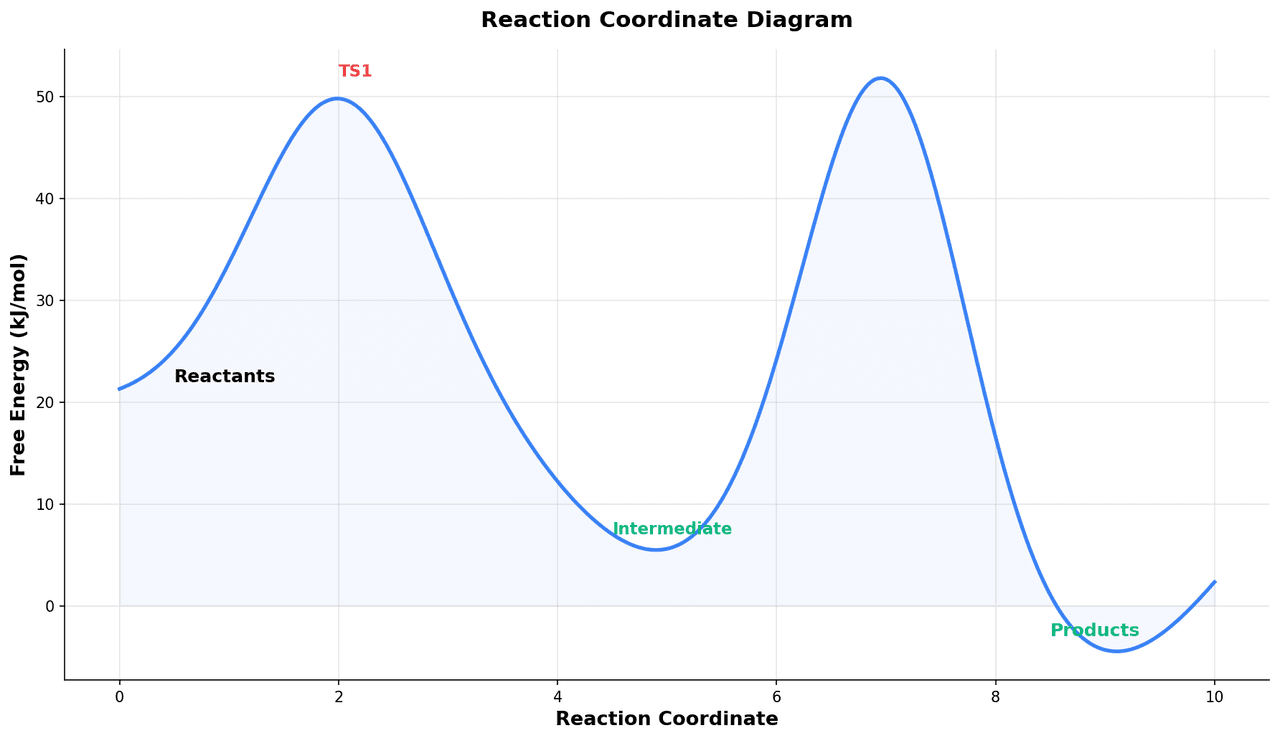
Plot potential energy against reaction coordinate to visualize activation barriers, transition states, and reaction intermediates.
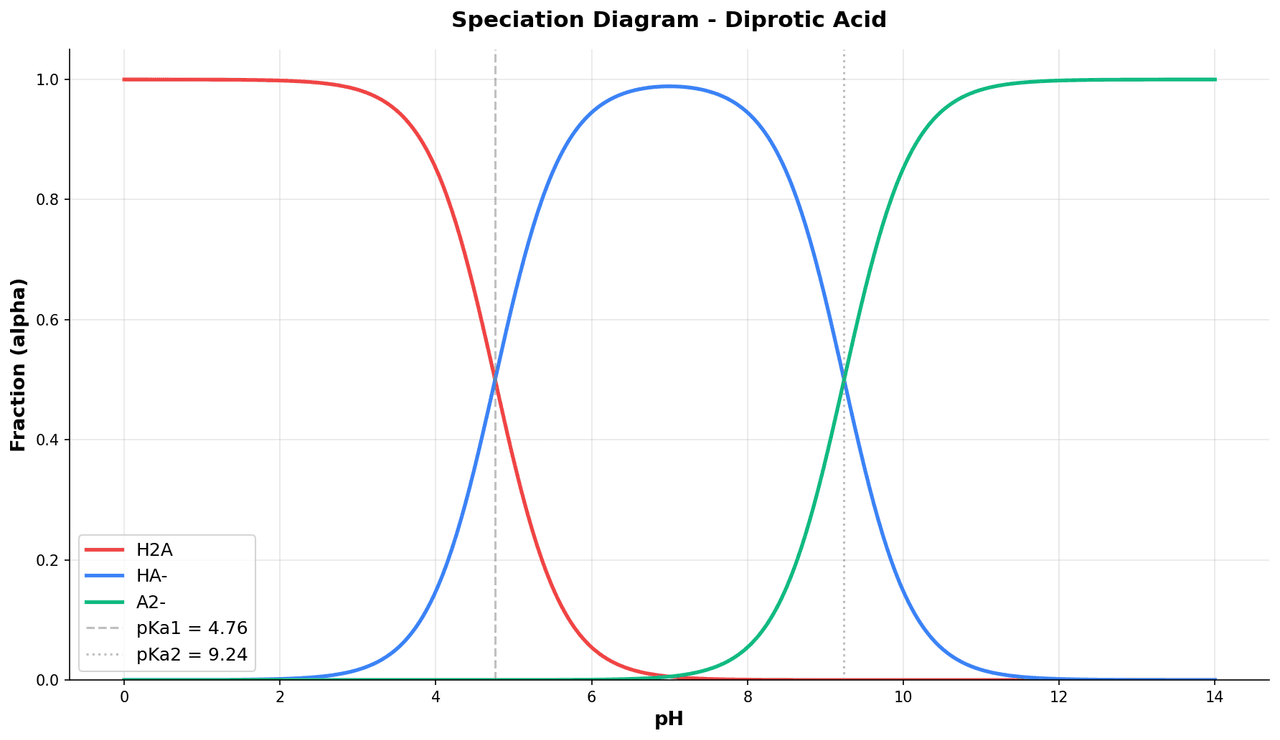
Plot the fractional distribution of chemical species as a function of pH or ligand concentration using equilibrium speciation calculations.
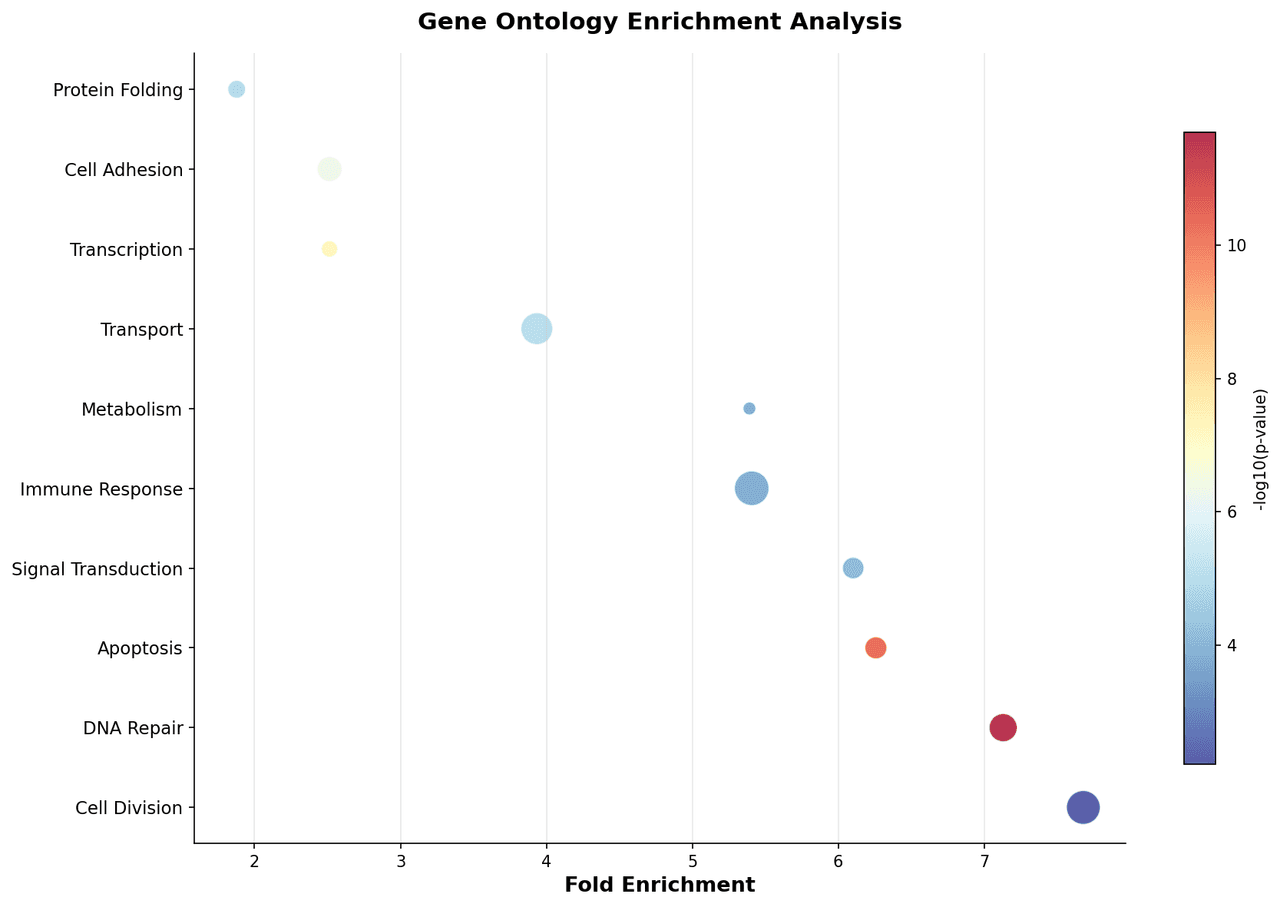
Bubble or horizontal bar chart displaying enriched Gene Ontology terms, encoding adjusted p-value by color and gene count by bar length or bubble size.
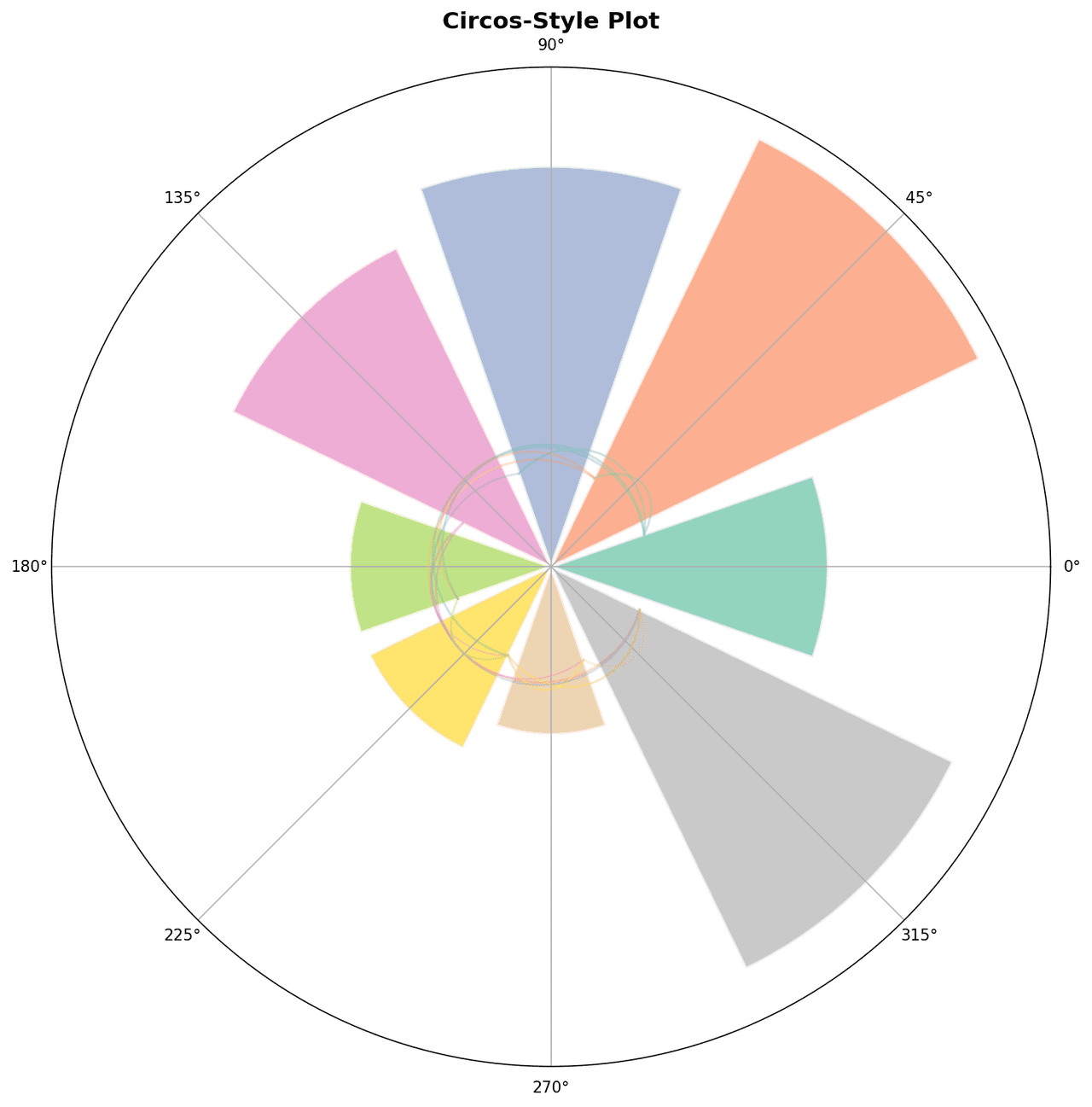
Circular layout diagram displaying genomic features, inter-chromosomal links, and data tracks around a circular ideogram of chromosomes.
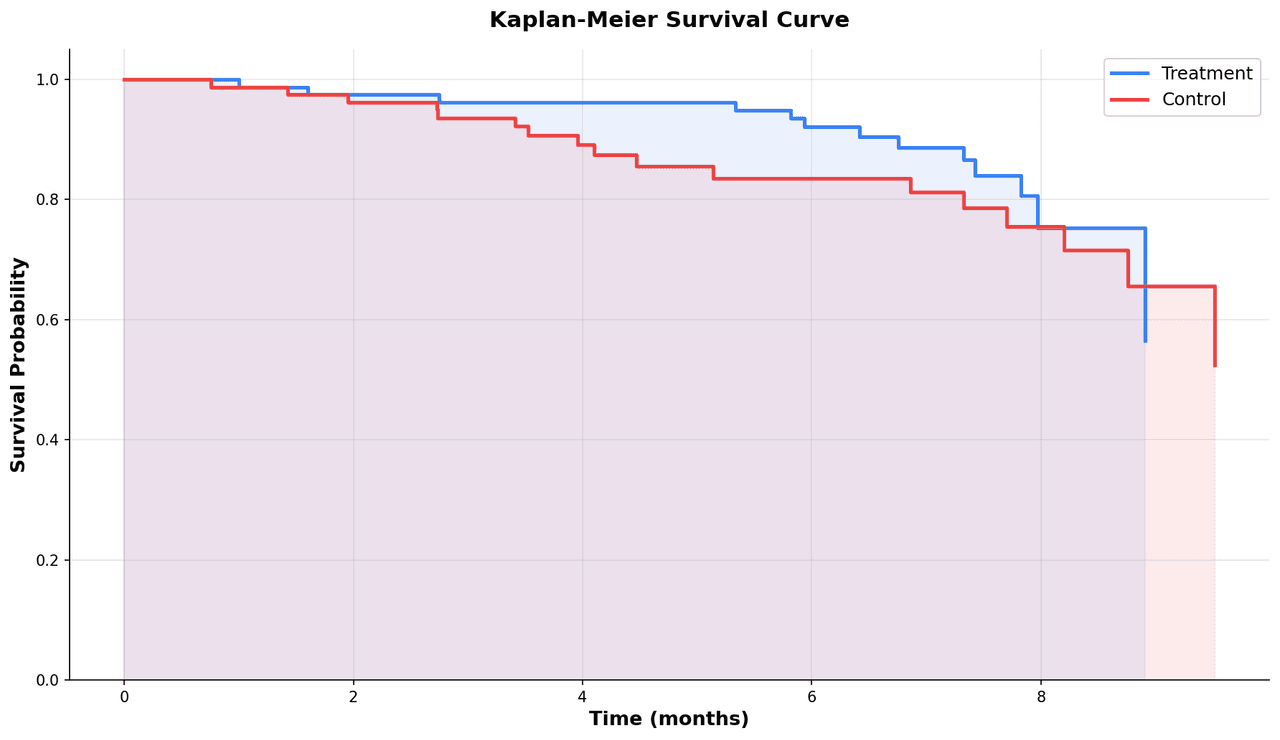
Step-function survival curves showing the probability of event-free survival over time, with censoring marks and confidence interval bands.
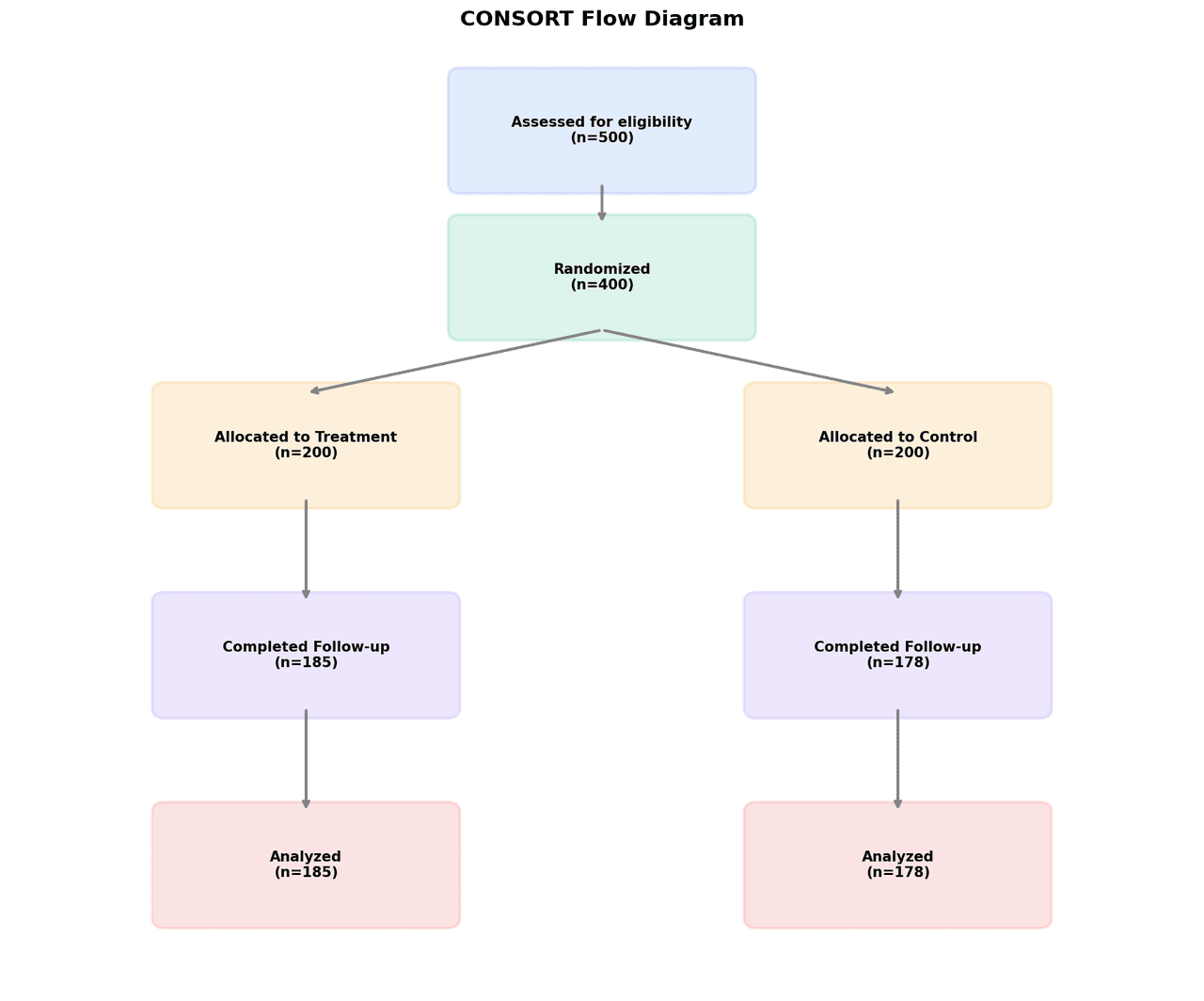
Generate a CONSORT-compliant flow diagram showing patient enrollment, randomization, follow-up, and analysis for clinical trials.
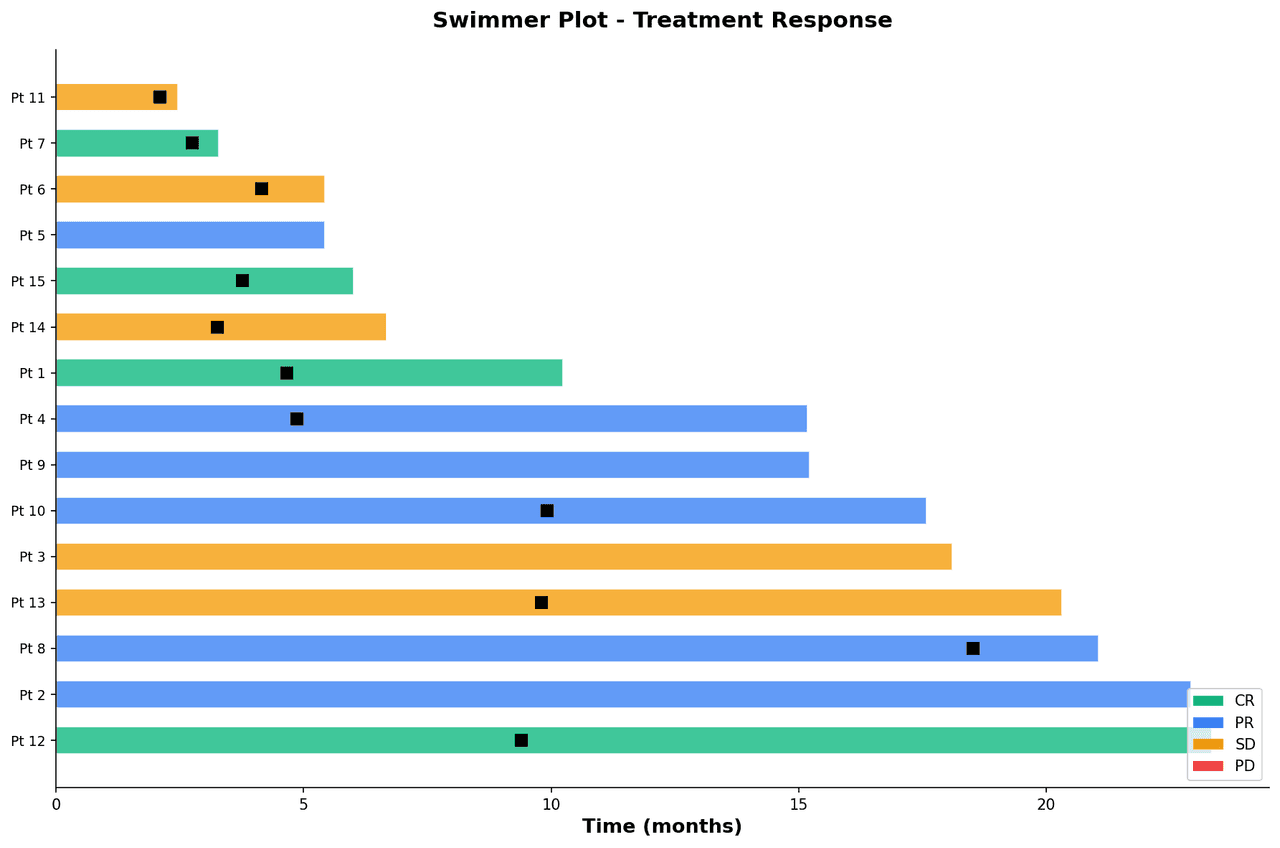
Visualize individual patient treatment duration, tumor response, and clinical events as horizontal bars sorted by duration.
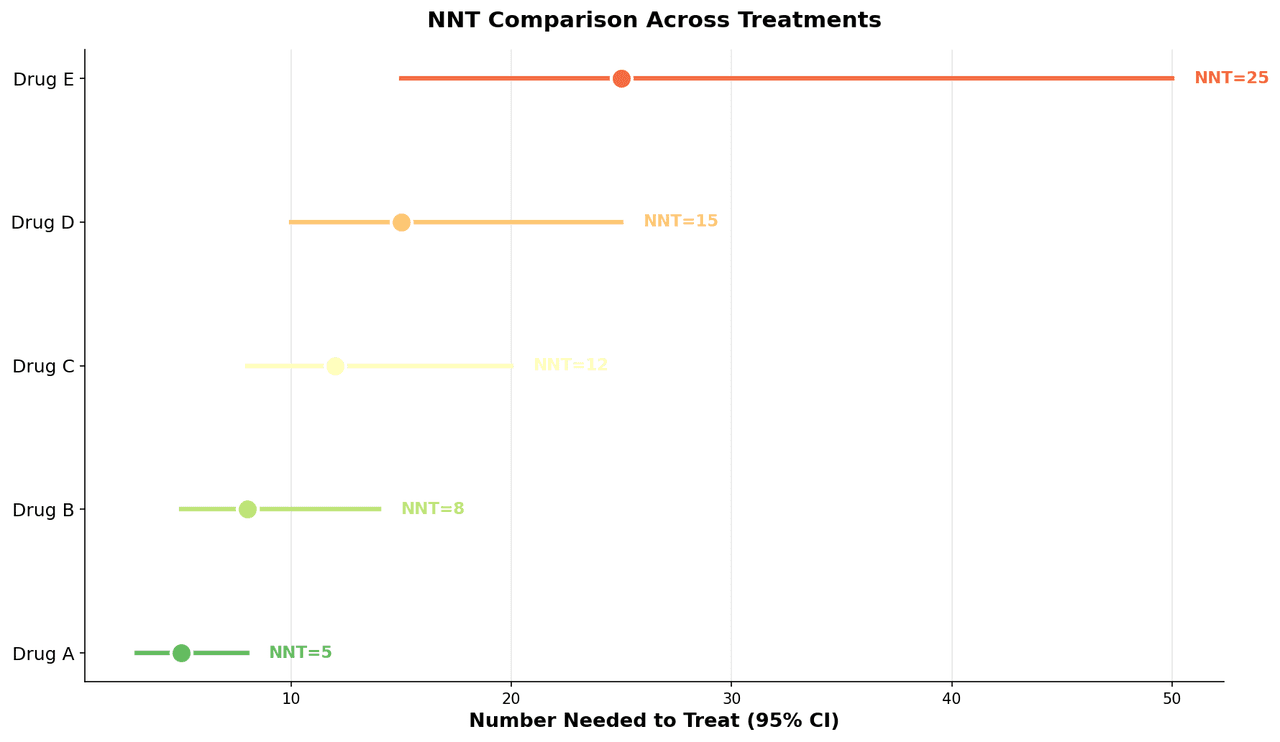
Visualize number needed to treat (NNT) and number needed to harm (NNH) with confidence intervals across outcomes or treatment comparisons.
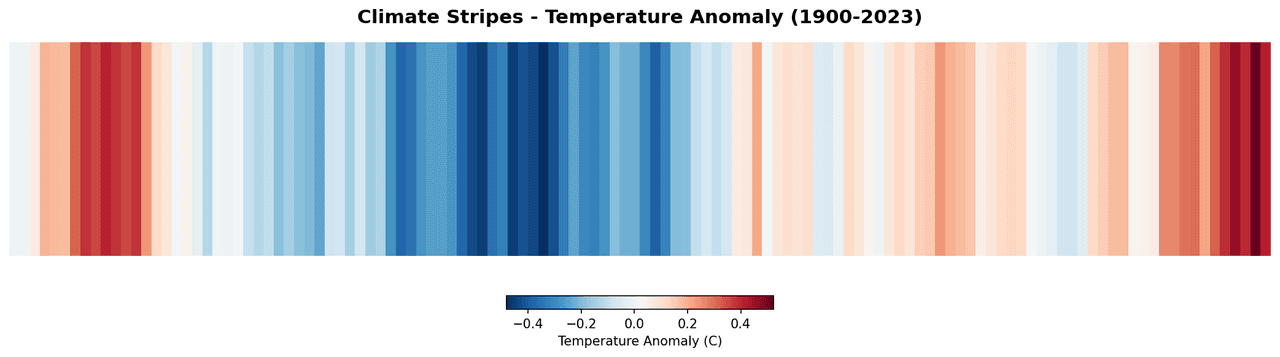
Climate stripes show annual temperature anomalies as a sequence of blue-to-red vertical bars across years.
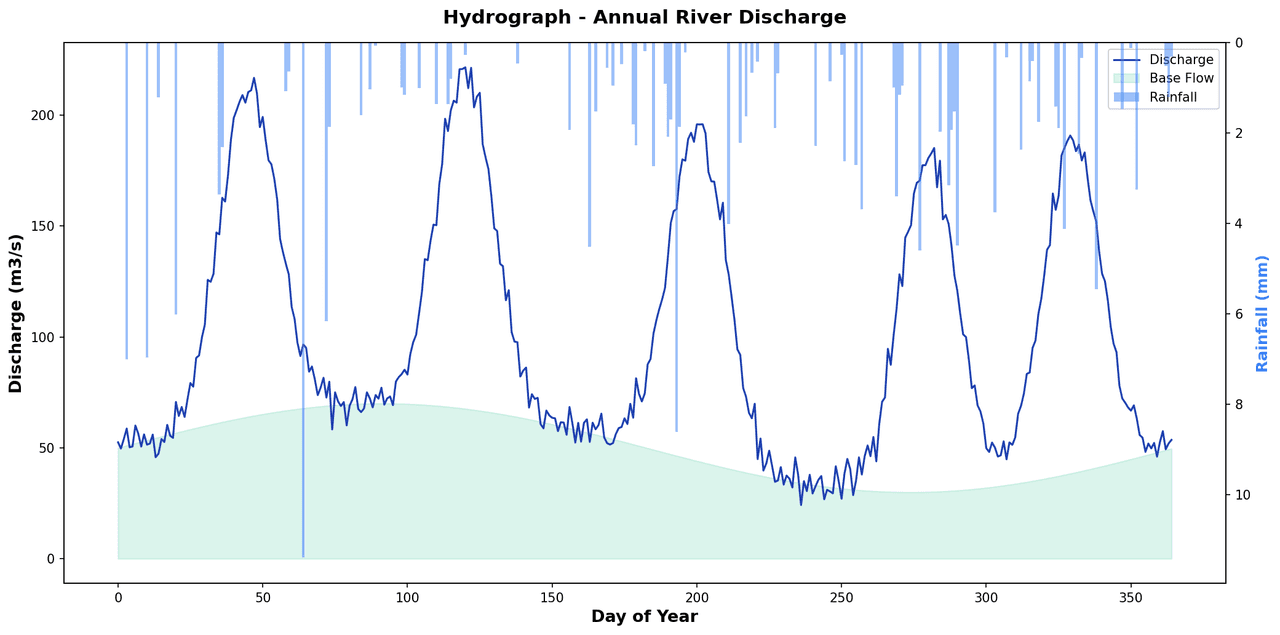
A hydrograph shows river discharge over time, with inverted precipitation bars to compare rainfall and streamflow.
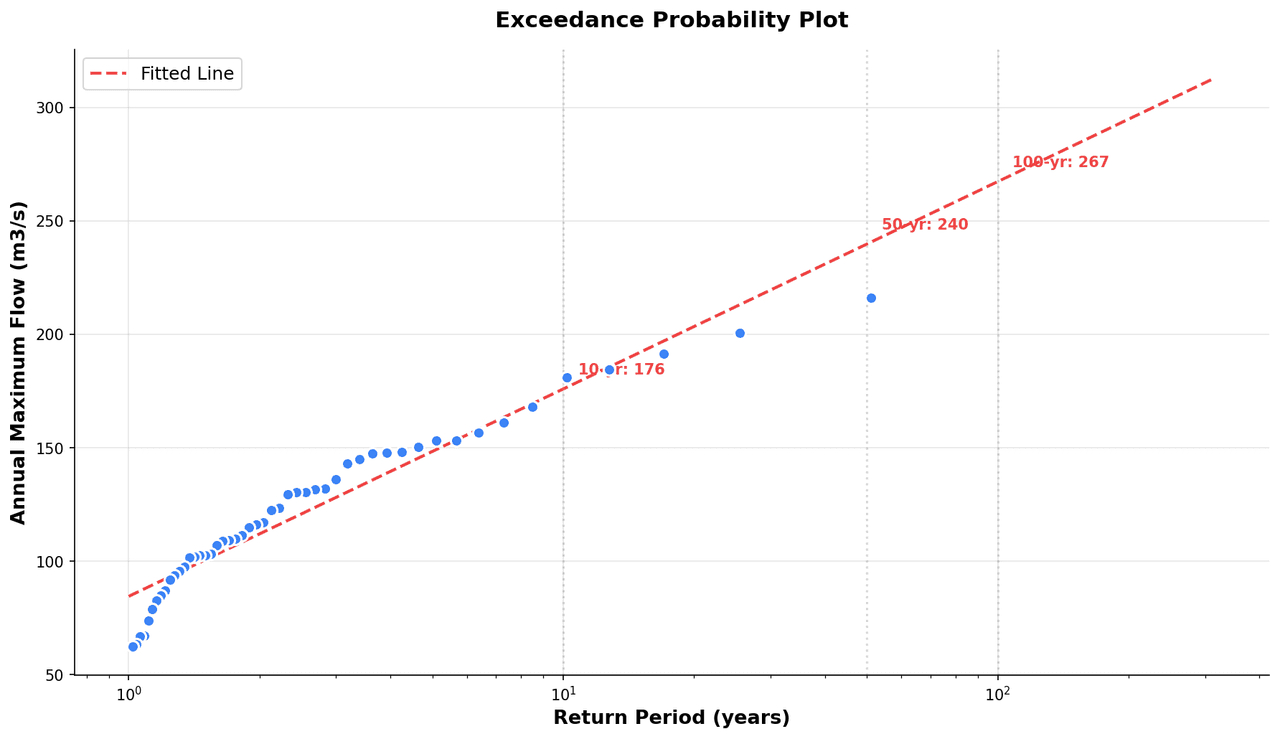
Plot ranked annual maxima against empirical exceedance probability or return period to examine extreme values and a fitted curve.
These pages focus on the searches researchers actually make when they need a specific figure type, validation plot, or diagnostics workflow.
Publication-ready tables in Python & LaTeX booktabs.
Meta-analysis, hazard ratios, and subgroup evidence.
Method comparison and agreement analysis.
Normality checks and residual diagnostics.
Model evaluation and diagnostic accuracy with AUC.
Classifier evaluation on imbalanced data.
See exactly which classes a model confuses.
GWAS and genome-wide association results.
Tumor response and oncology trial reporting.
Tensile testing and materials characterization.
Plotivy works with any scientific data. If you have a specific use case, we'd love to hear about it and help you get started.