Static
Code
Diagrams
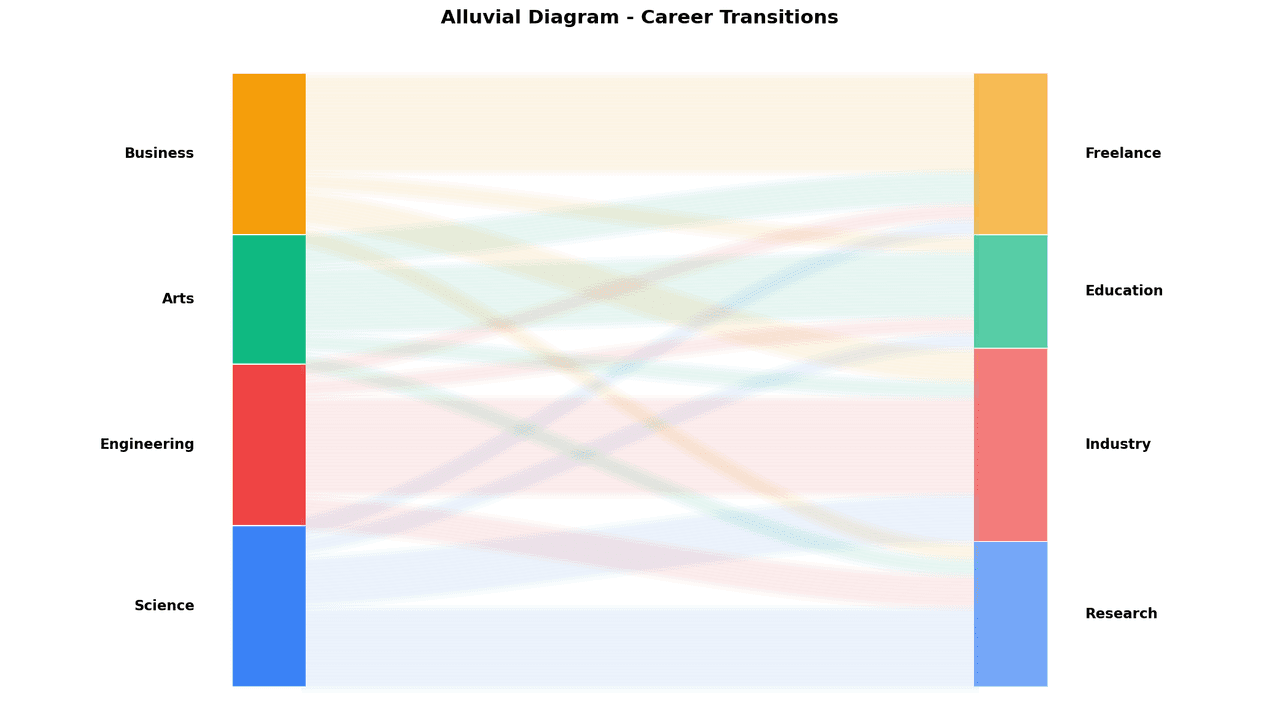
Alluvial Diagram
Multi-stage flow diagram showing how a population distributes and transitions between category states at two or more timepoints.
matplotlib
pandas
numpy
Loading Plotivy
Preparing your workspace and data.
Refer a Friend
Share your link — earn +15 permanent plots for every friend who joins.
Sign in to get your referral linkExplore 111+ scientific visualization types with Python code examples, chart-selection context, and publication-focused use cases for Matplotlib, Plotly, Seaborn, and more.
Search by chart name, library, or research use case. Each result points to a chart page with Python code, examples, and guidance for turning raw data into a readable scientific figure.
Not sure where to start? Use the chart-selection guide.
111
chart types
7
categories
13
interactive
See any of these charts with example data, or upload your own and let AI create the visualization for you.
Multi-stage flow diagram showing how a population distributes and transitions between category states at two or more timepoints.
.png&w=1280&q=70)
Create an arc diagram in Python to place nodes along one axis and visualize their connections with curved links, revealing patterns in ordered network data.
.png&w=1280&q=70)
Create an area chart in Python to show quantitative trends over time, emphasize magnitude with filled regions, and compare cumulative totals or multiple series.
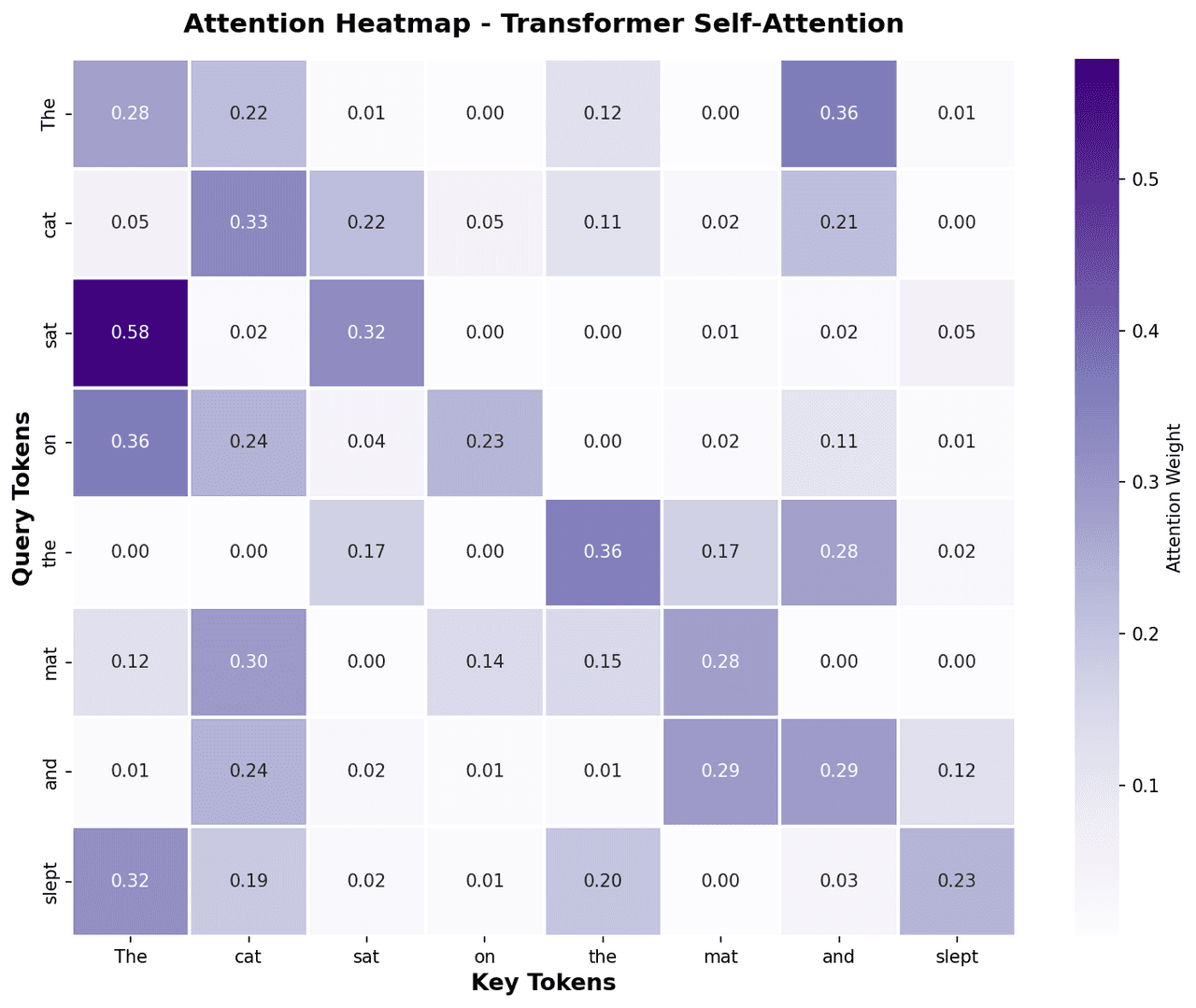
A square heatmap displaying attention weight scores between all token or sequence position pairs in a transformer model.
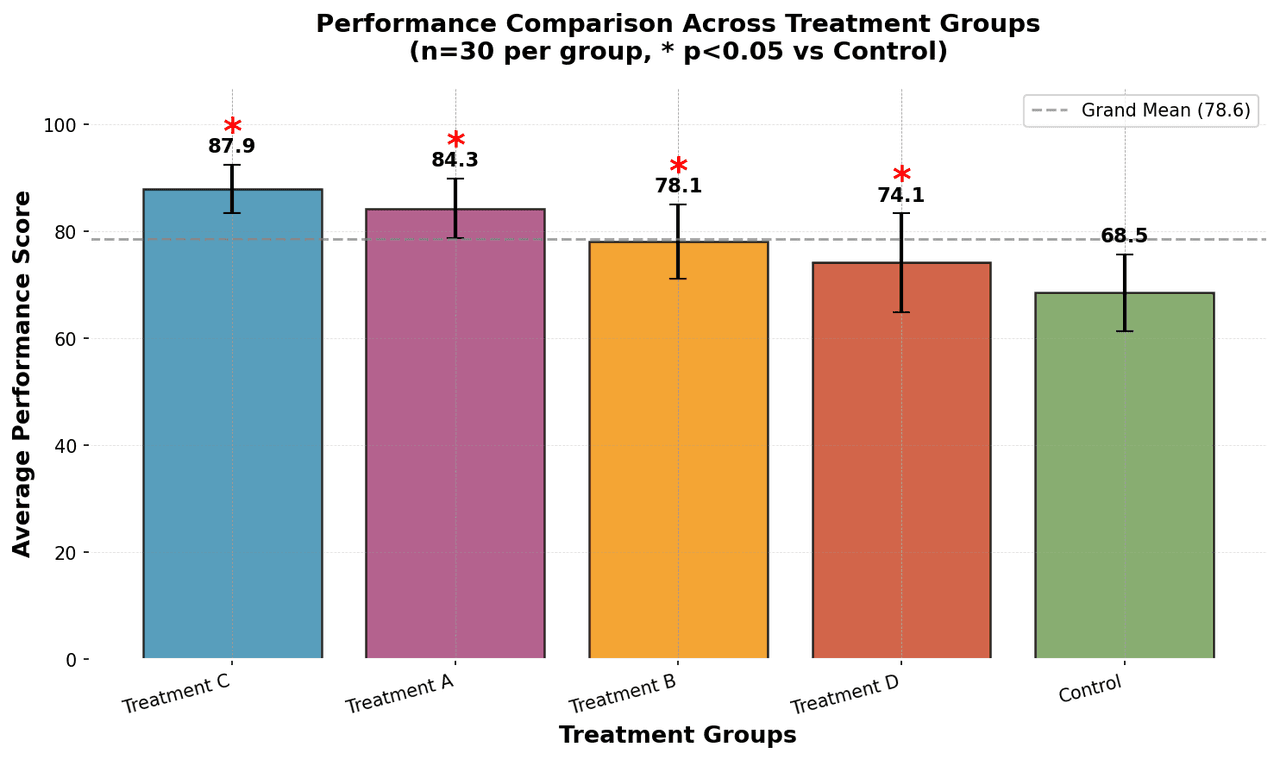
Create a bar chart in Python to compare categorical values with proportional bars, error bars, clear labels, and grouped comparisons.
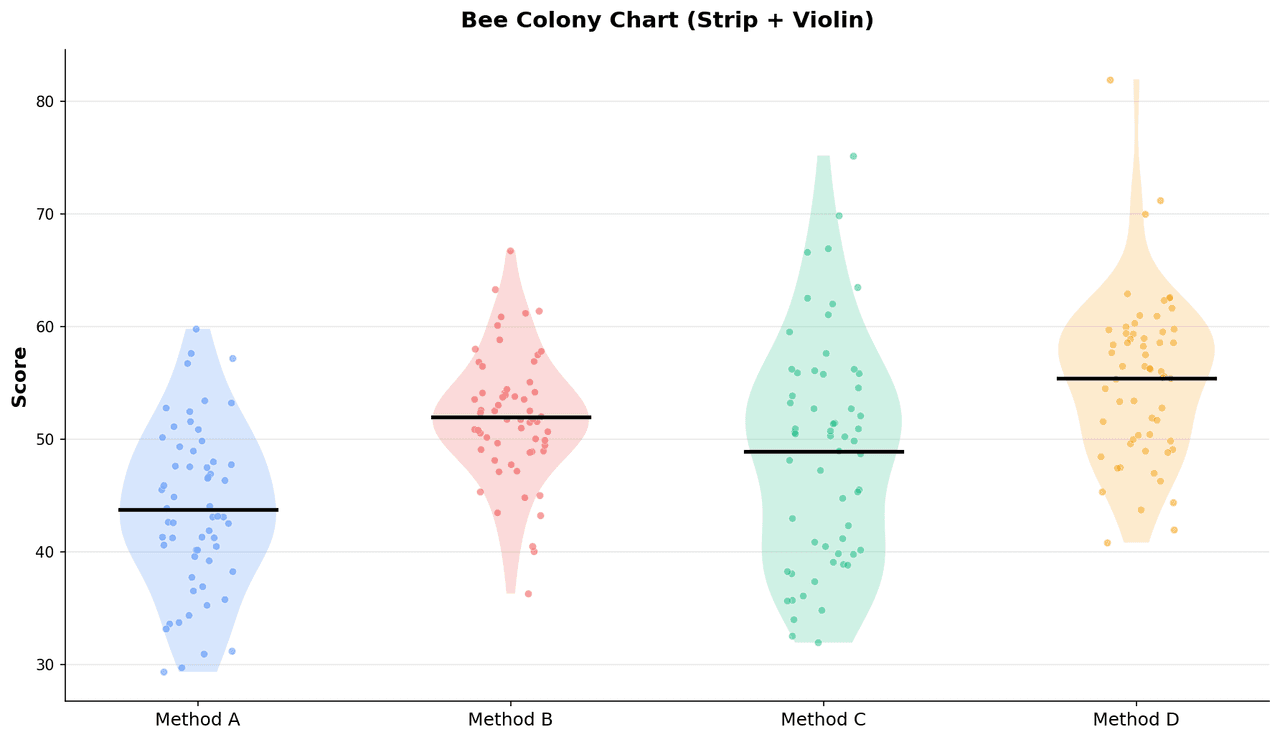
Jittered categorical scatter plot that distributes individual data points horizontally within each group for clarity, ideal for small-n biological experiments.
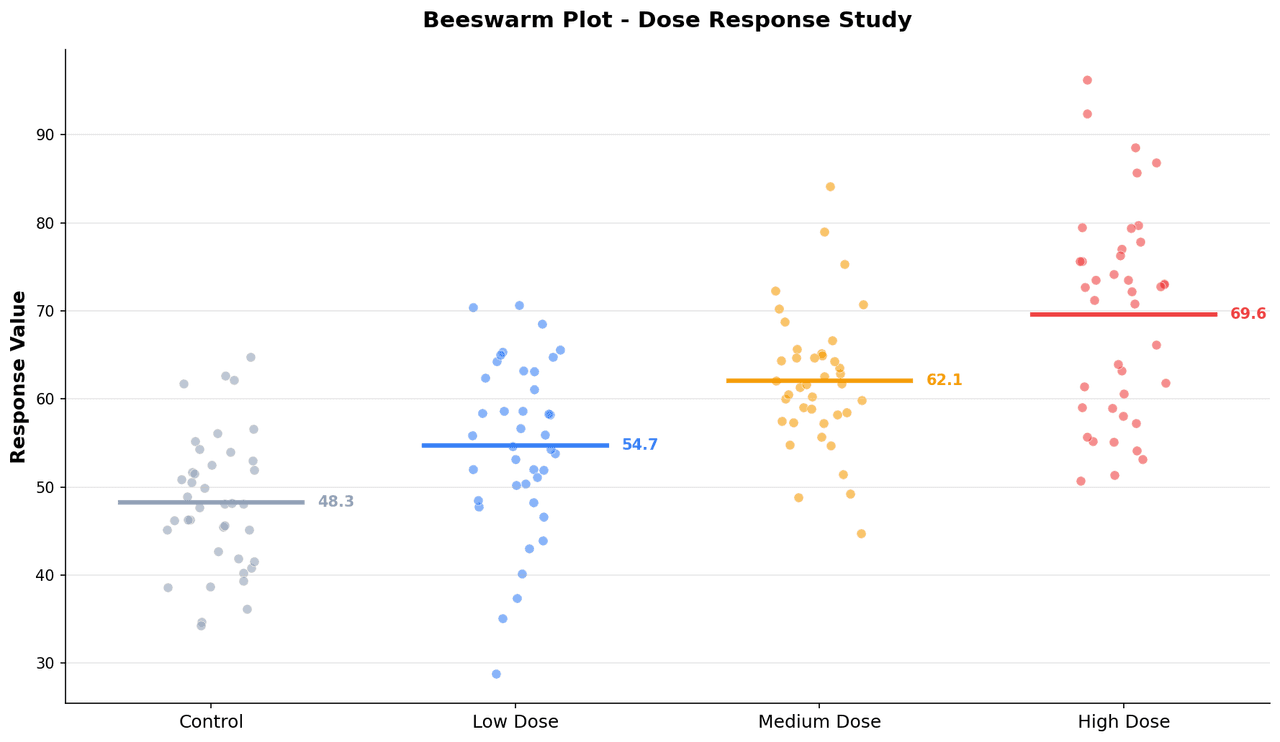
One-dimensional scatter plot where points are arranged to avoid overlap, showing all individual observations while conveying distribution shape.
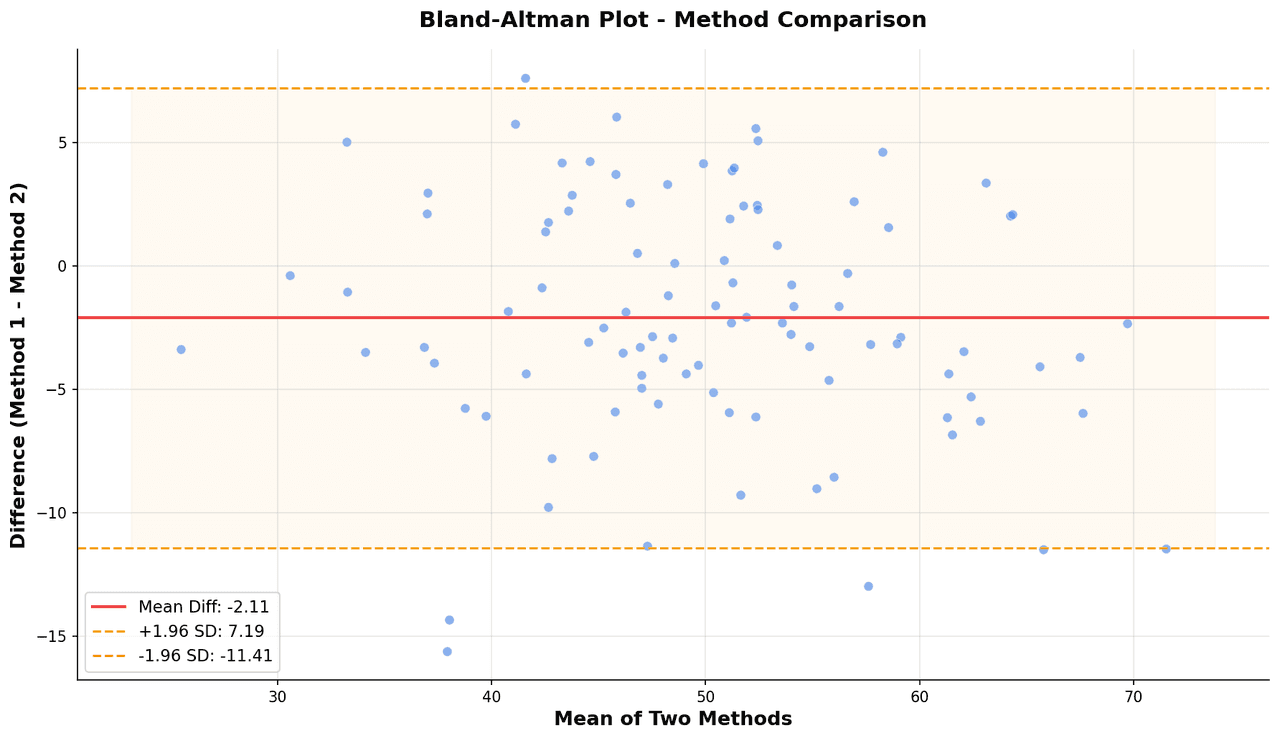
Difference vs. mean plot that quantifies the agreement between two measurement methods, showing systematic bias and limits of agreement.
.png&w=1280&q=70)
Create a box plot in Python to compare distributions using quartiles, medians, whiskers, and outliers.
.png&w=1280&q=70)
A diagram used to visually organize information showing relationships among concepts.
.png&w=1280&q=70)
Create a bubble chart in Python to compare two variables by position and represent a third variable through proportional bubble size.
.png&w=1280&q=70)
Learn how to create a bubble map in Python with circles sized by value and positioned by geographic coordinates.
.png&w=1280&q=70)
Create a bullet graph in Python to compare a KPI against its target and qualitative performance ranges in one compact dashboard chart.
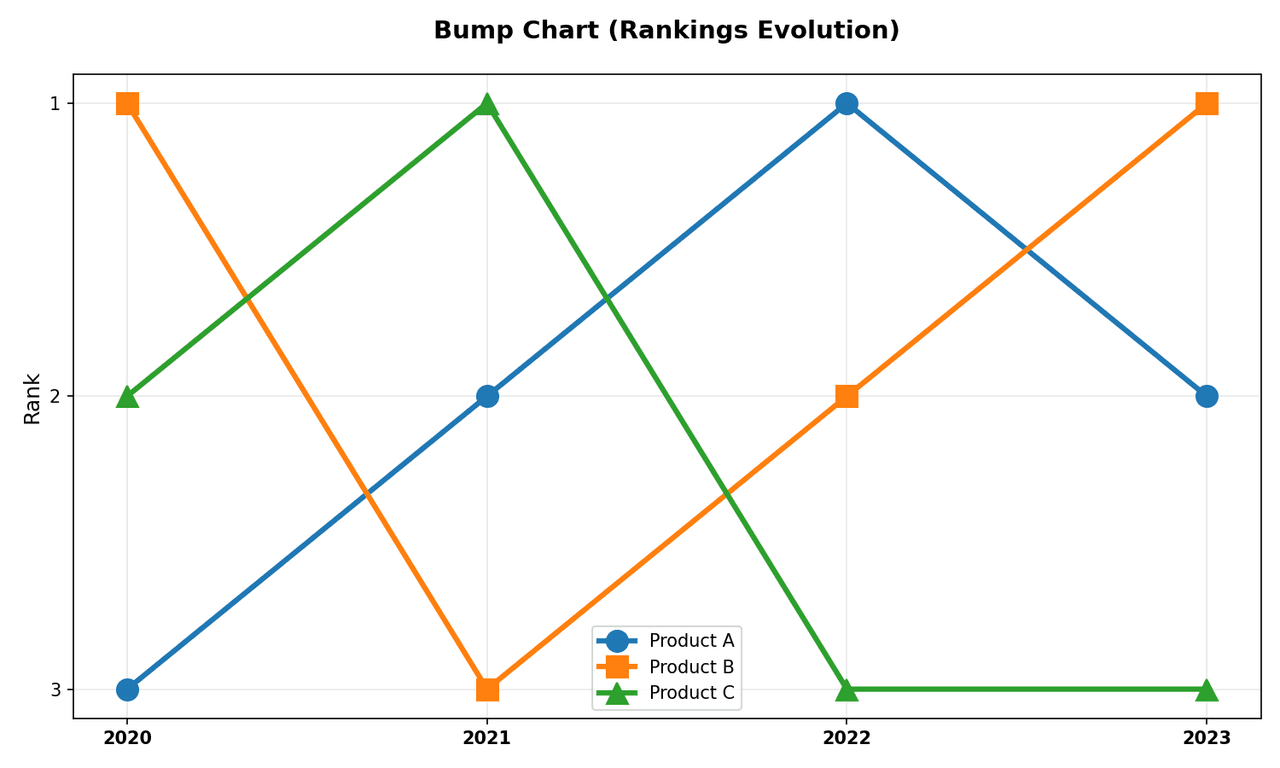
Learn how to create a bump chart in Python with Matplotlib to compare ranking changes across discrete time points on an inverted rank axis.
.png&w=1280&q=70)
Create a calendar heatmap in Python to organize daily time-series data by week and weekday, making activity patterns, seasonal changes, and missing dates easier to see.
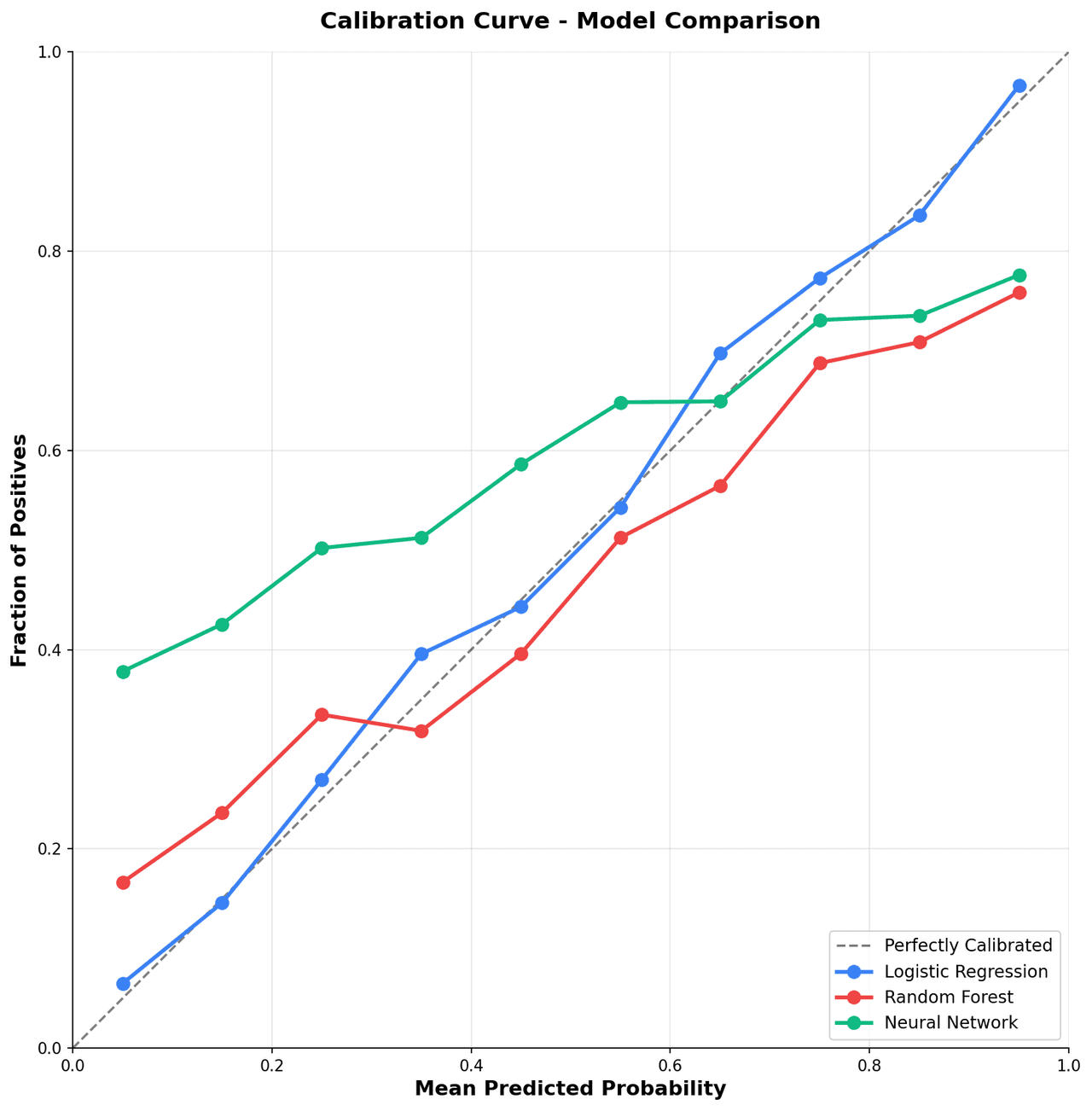
A reliability diagram comparing a classifier's predicted probabilities against observed positive frequencies across probability bins.
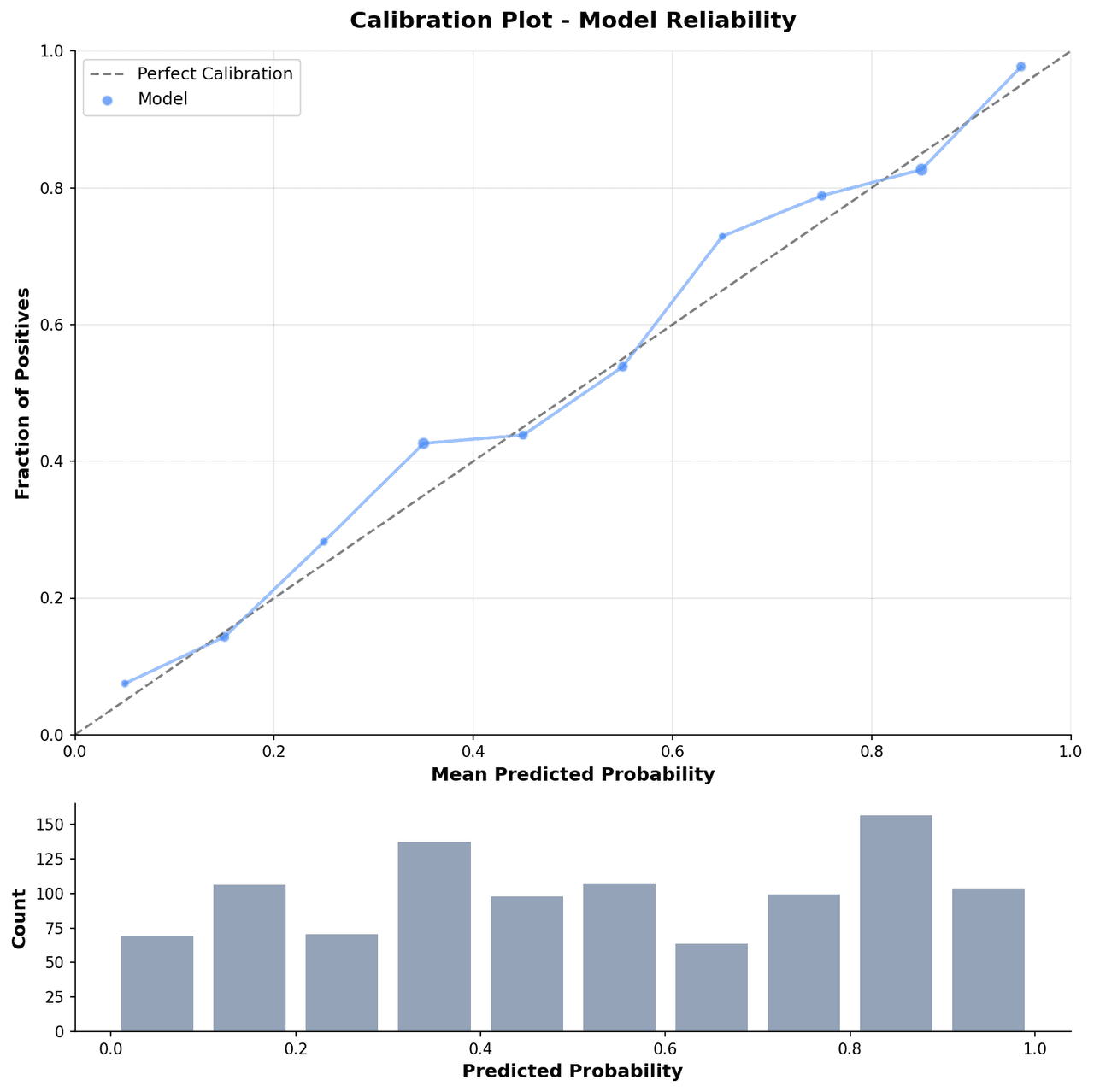
Plot predicted probabilities against observed event frequencies to assess calibration of diagnostic or prognostic models.
.png&w=1280&q=70)
Create a candlestick chart in Python to display OHLC (Open, High, Low, Close) price movements, volume, and moving averages for financial analysis.
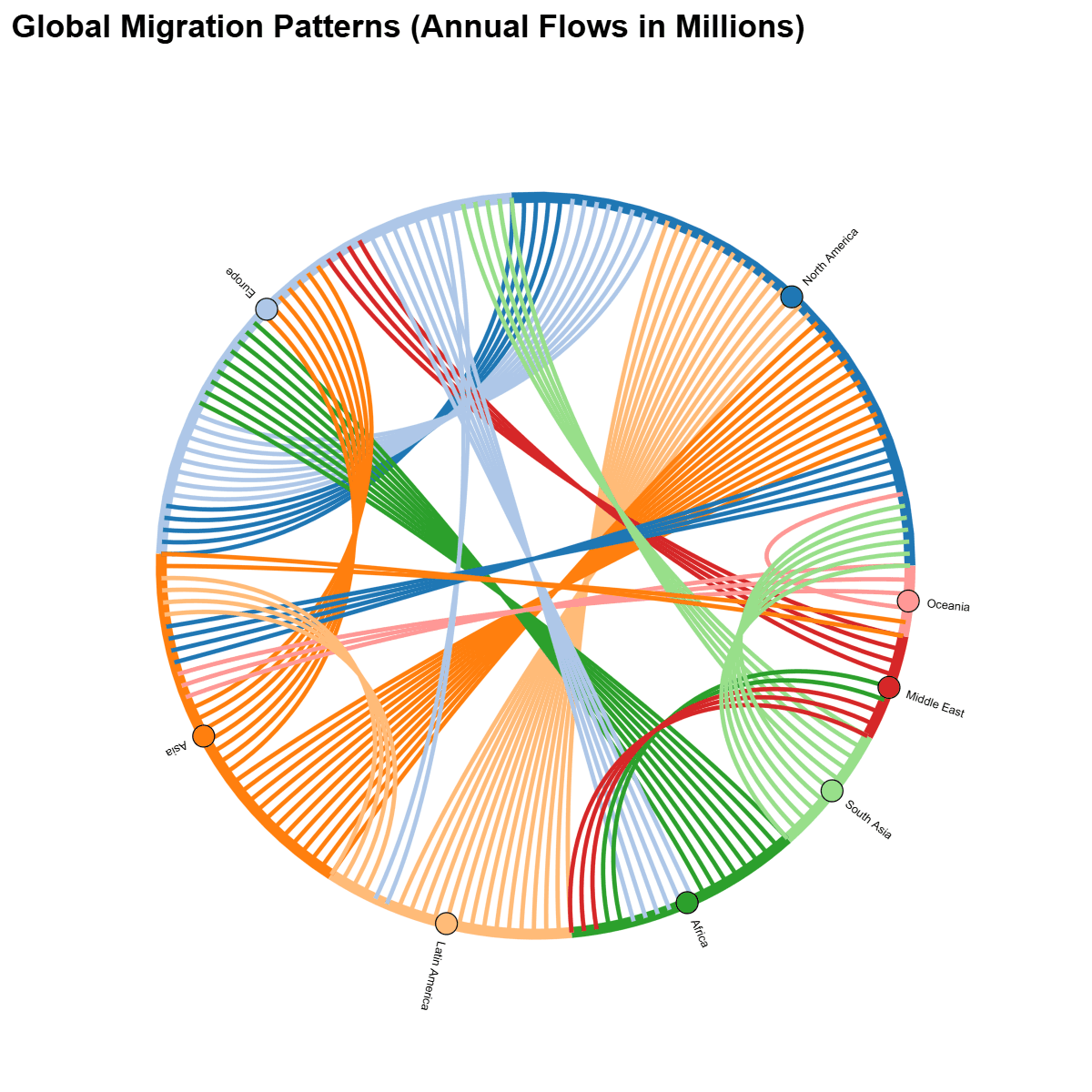
Displays inter-relationships between data in a matrix using ribbons connecting arcs.
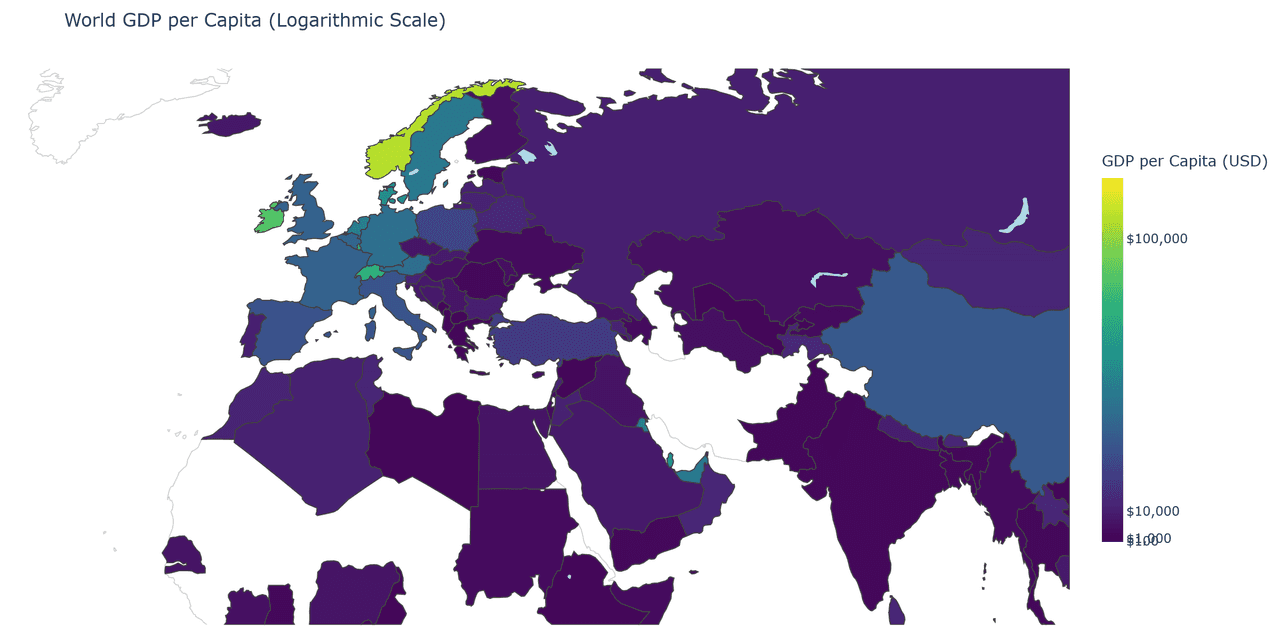
Create a choropleth map in Python to compare statistical values across color-coded geographic regions.
.png&w=1280&q=70)
Create a circle packing chart in Python to display hierarchical data as nested circles, compare part-to-whole values, and reveal groups within groups.
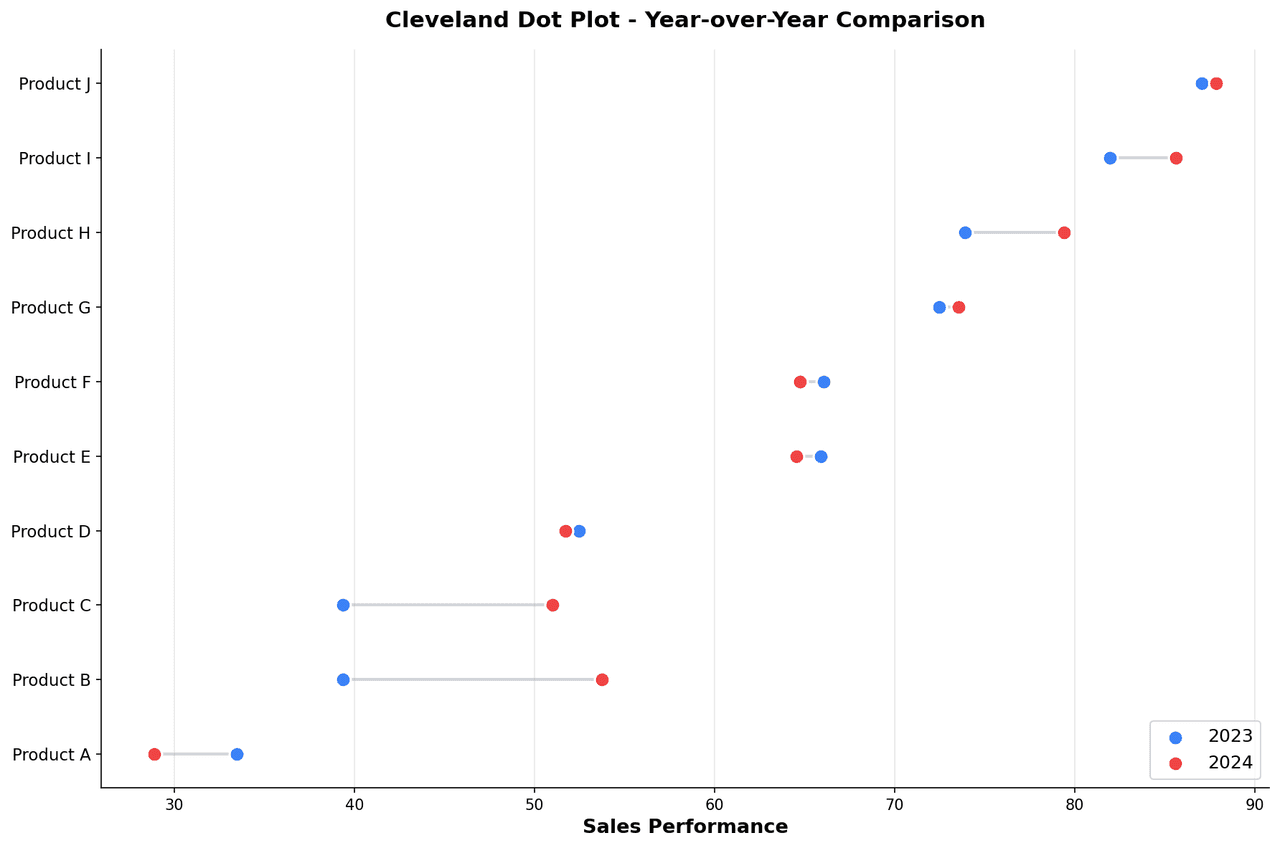
Learn how a Cleveland dot plot in Python ranks categorical values with point positions, optional paired-group comparisons, and minimal visual clutter.
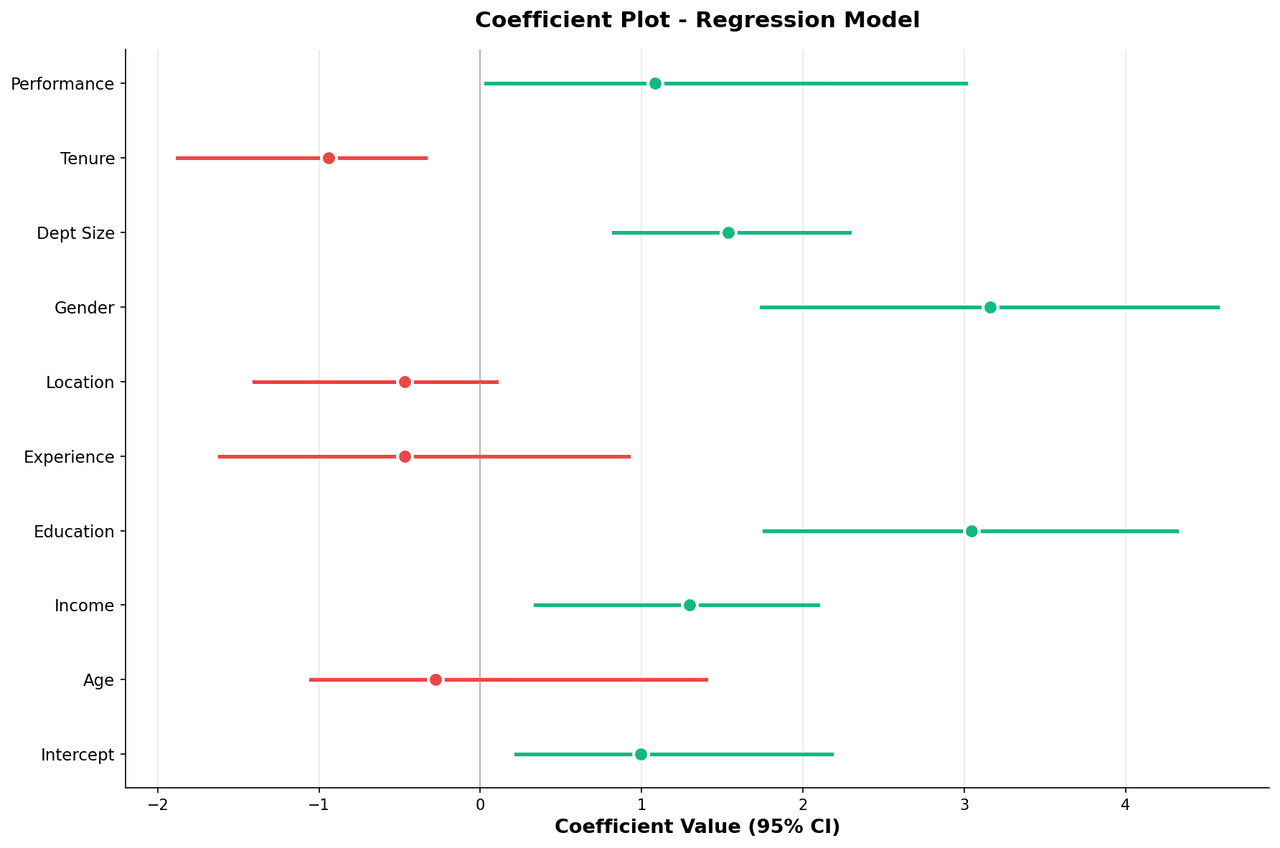
A coefficient plot in Python uses dots and horizontal confidence intervals to compare regression estimates and uncertainty across predictors.
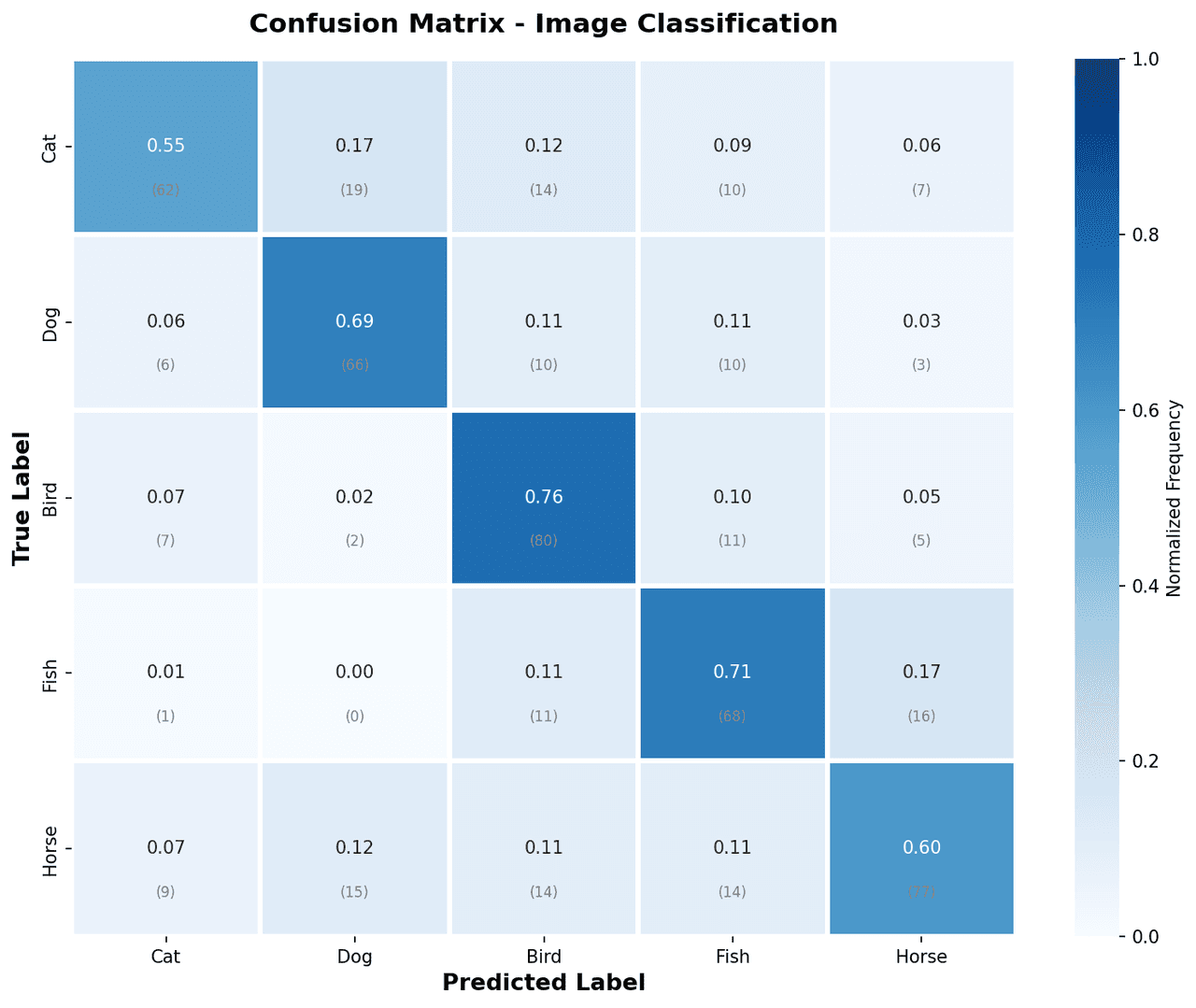
A heatmap showing true vs. predicted class labels to evaluate classification model accuracy.
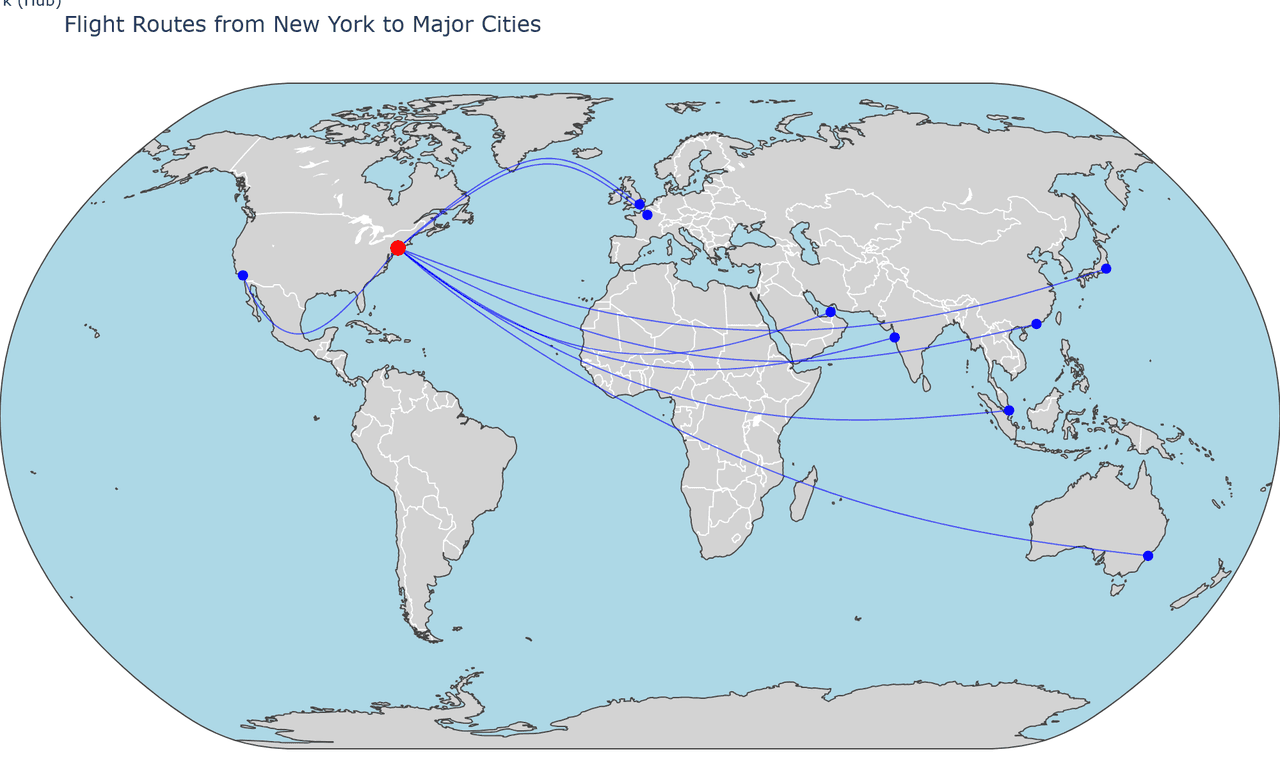
Create a connection map in Python to show routes, flows, and network links between geographic locations.
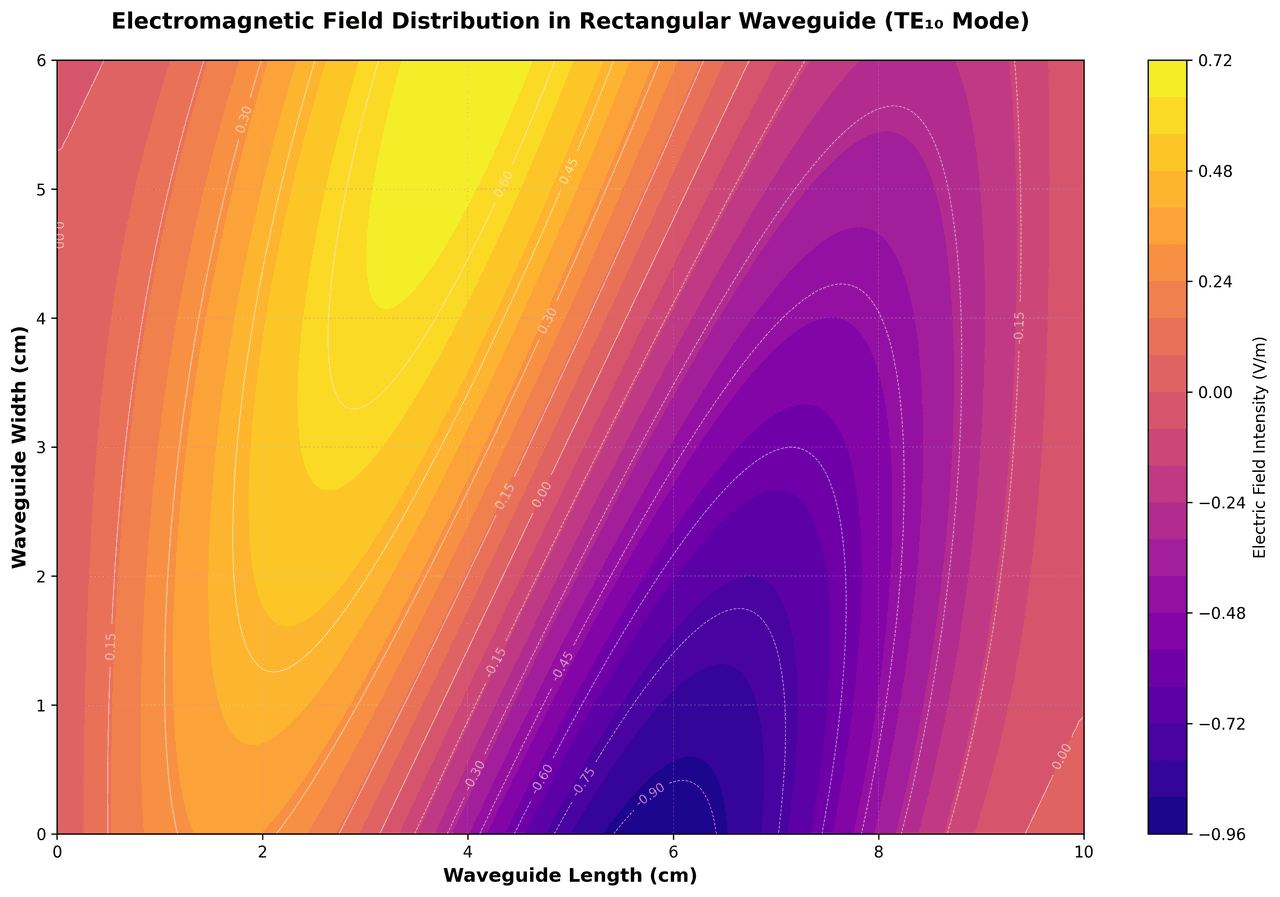
Displays three-dimensional data in two dimensions using contour lines connecting points of equal value.
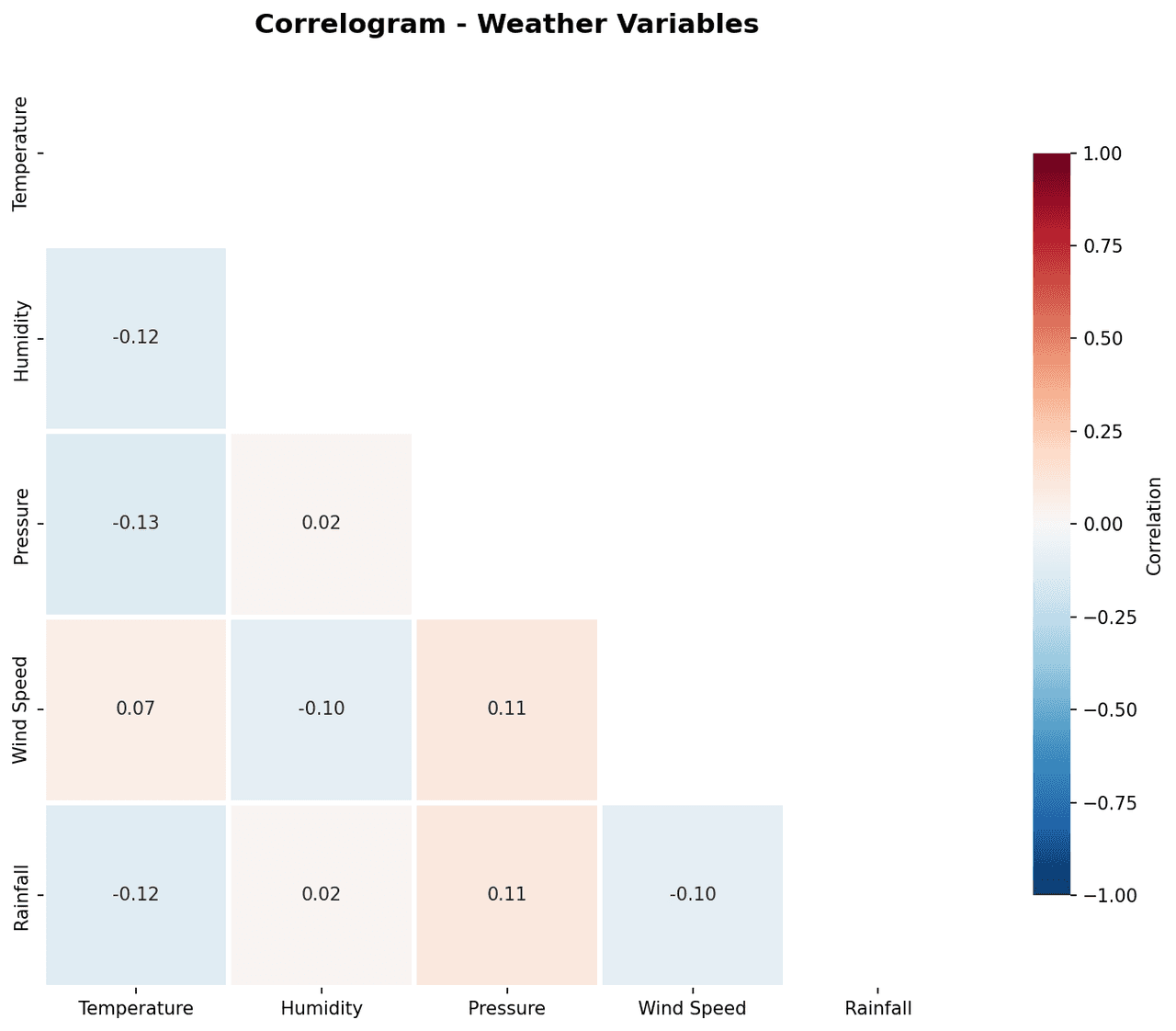
A colour-coded correlation matrix with significance annotations, combining statistical and visual information in a single panel.
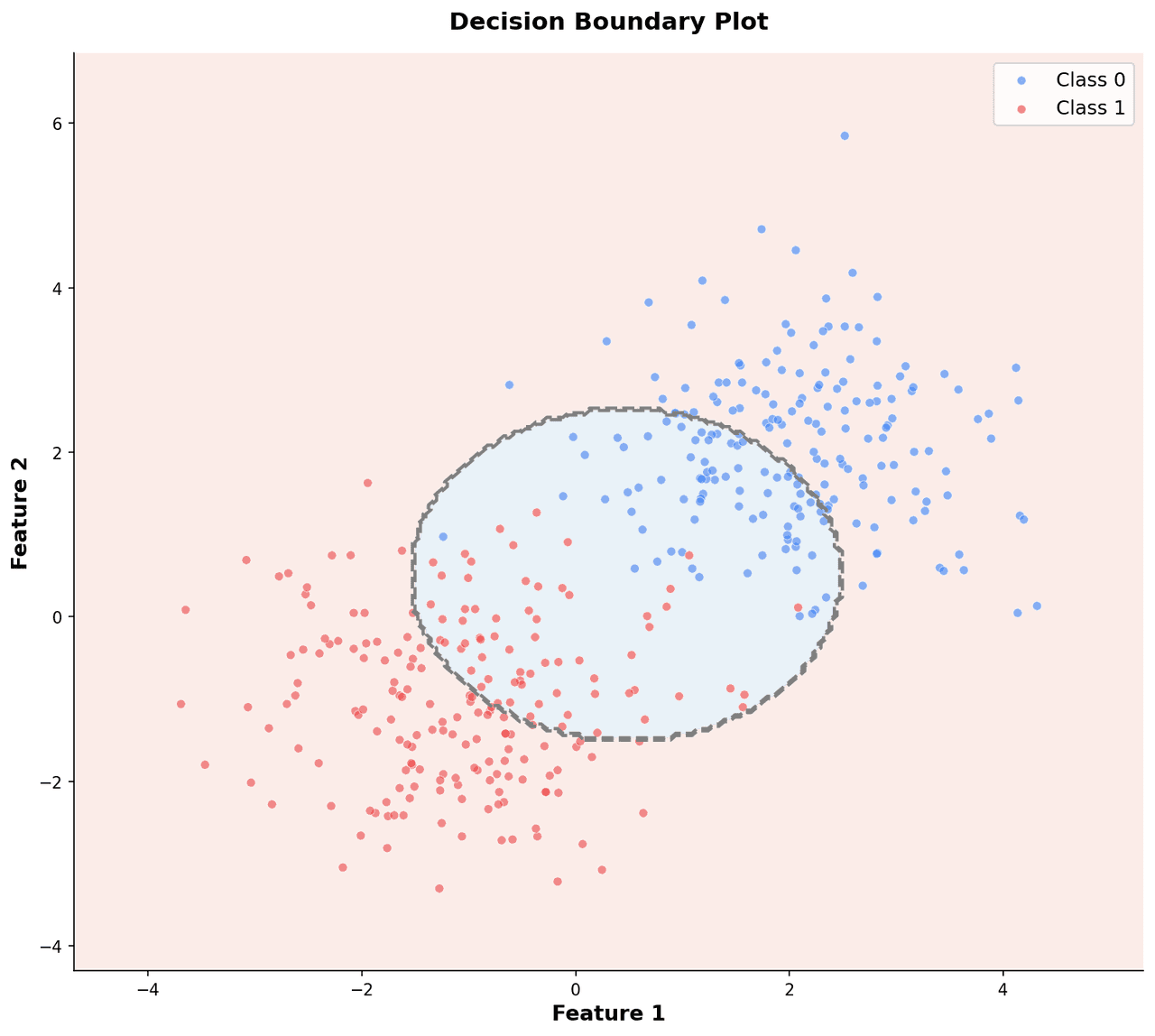
A 2D scatter plot overlaid with filled contour regions showing where a classifier assigns each class label.
.png&w=1280&q=70)
Visualizes the distribution of data over a continuous interval using kernel density estimation.
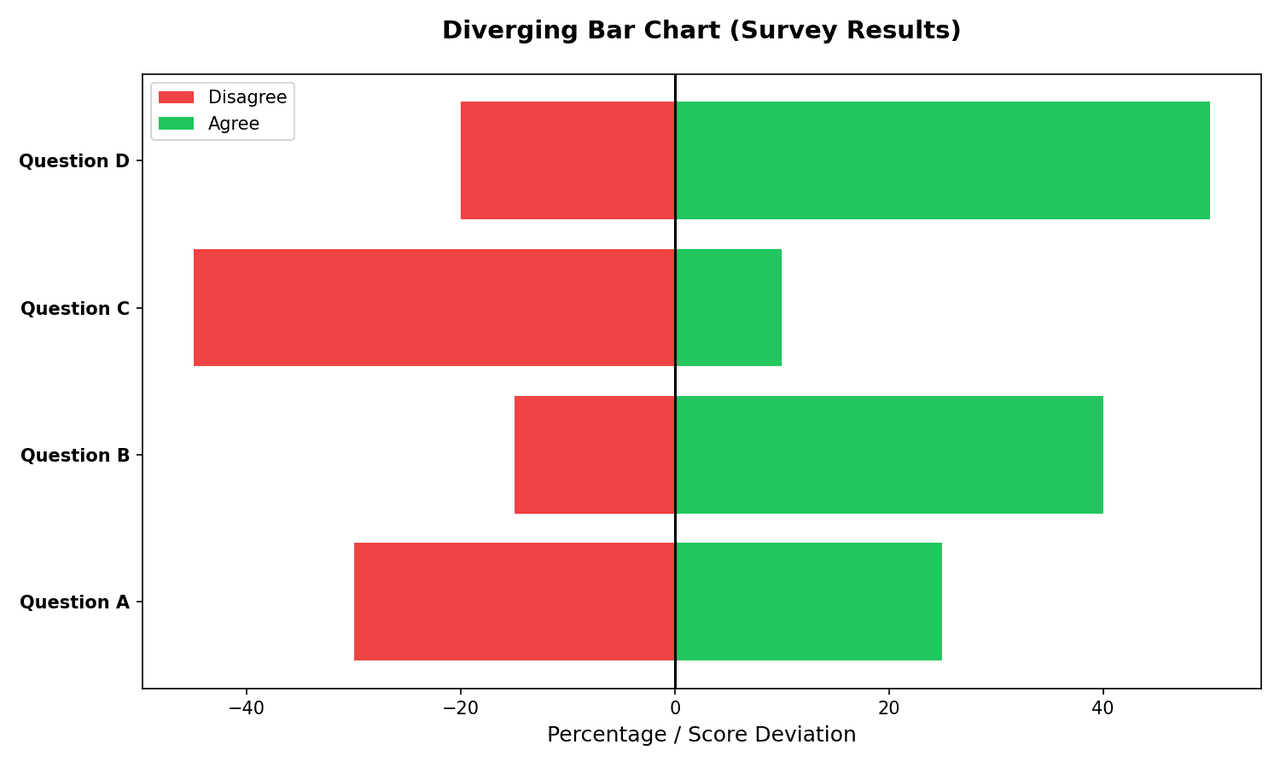
Learn how a diverging bar chart in Python uses horizontal bars around a central baseline to compare positive and negative deviations.
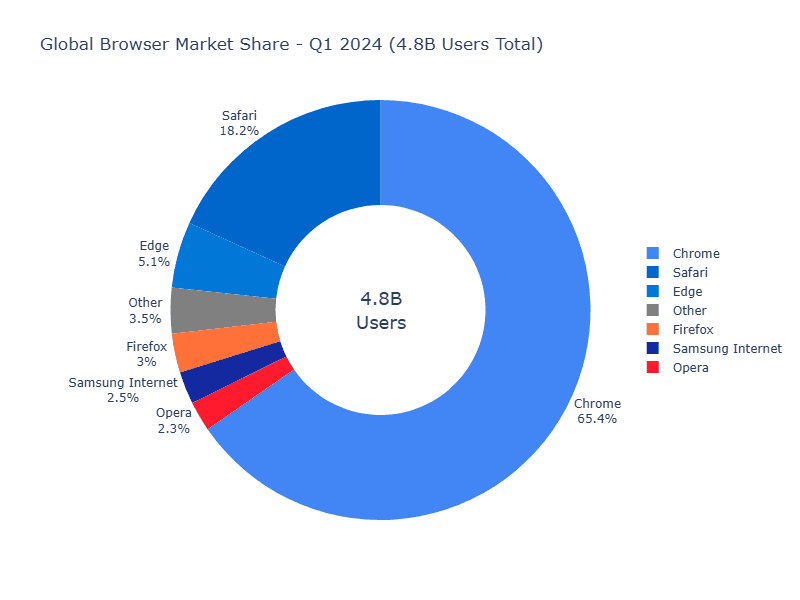
Create a donut chart in Python to compare proportions while using the hollow center for a total, label, or key metric.
.png&w=1280&q=70)
Learn how to create an interactive dot map in Python to show events or features at geographic coordinates.
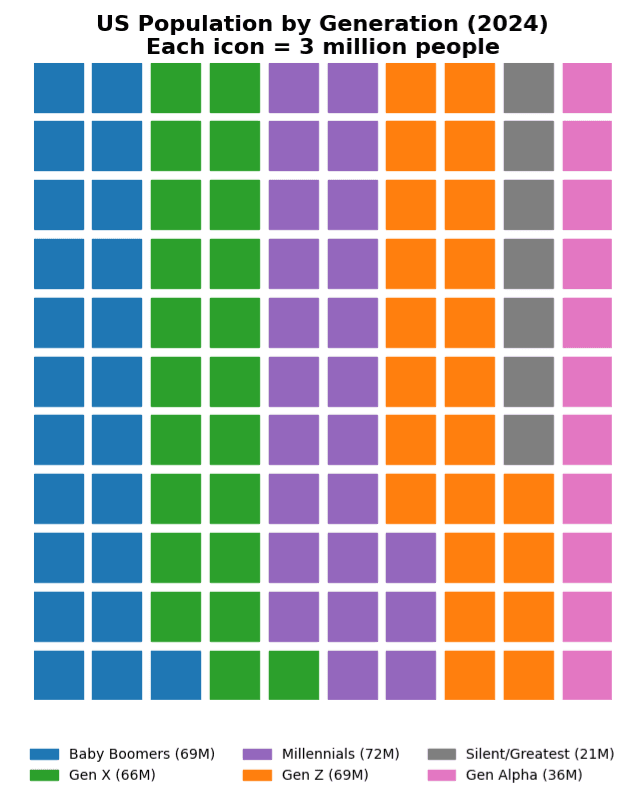
Shows data as a grid of dots where each dot represents a unit of data.
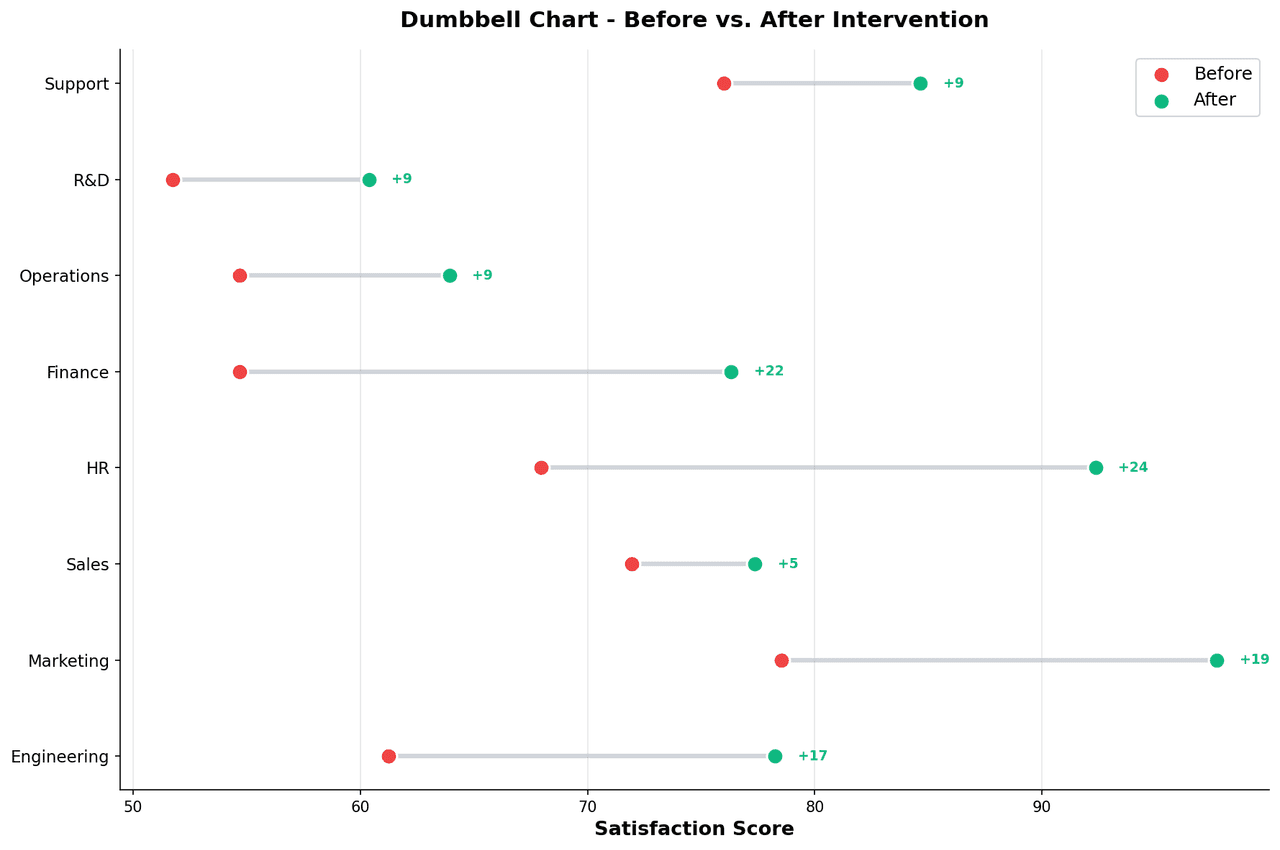
Connected dot plot linking two data points per subject or group across time or conditions, emphasizing the direction and magnitude of change.
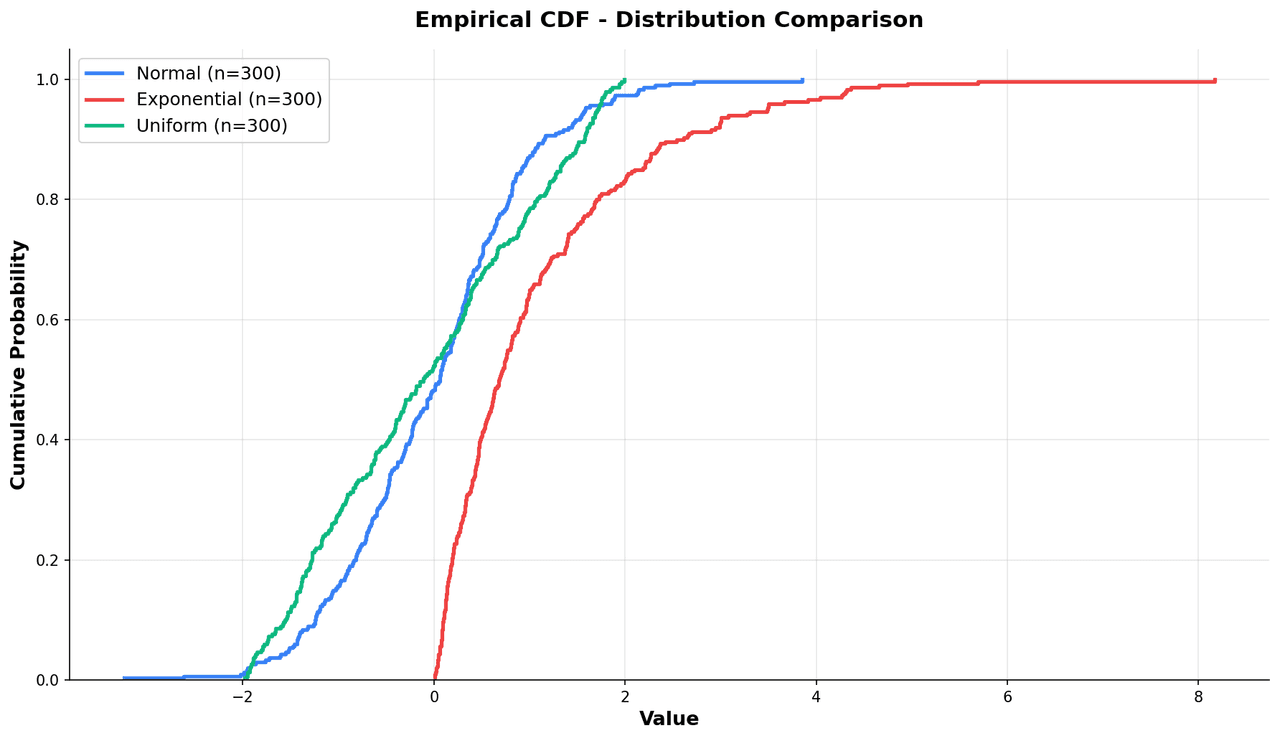
An empirical CDF in Python uses a step function to show cumulative probability, compare distributions, and read percentiles without histogram bins.
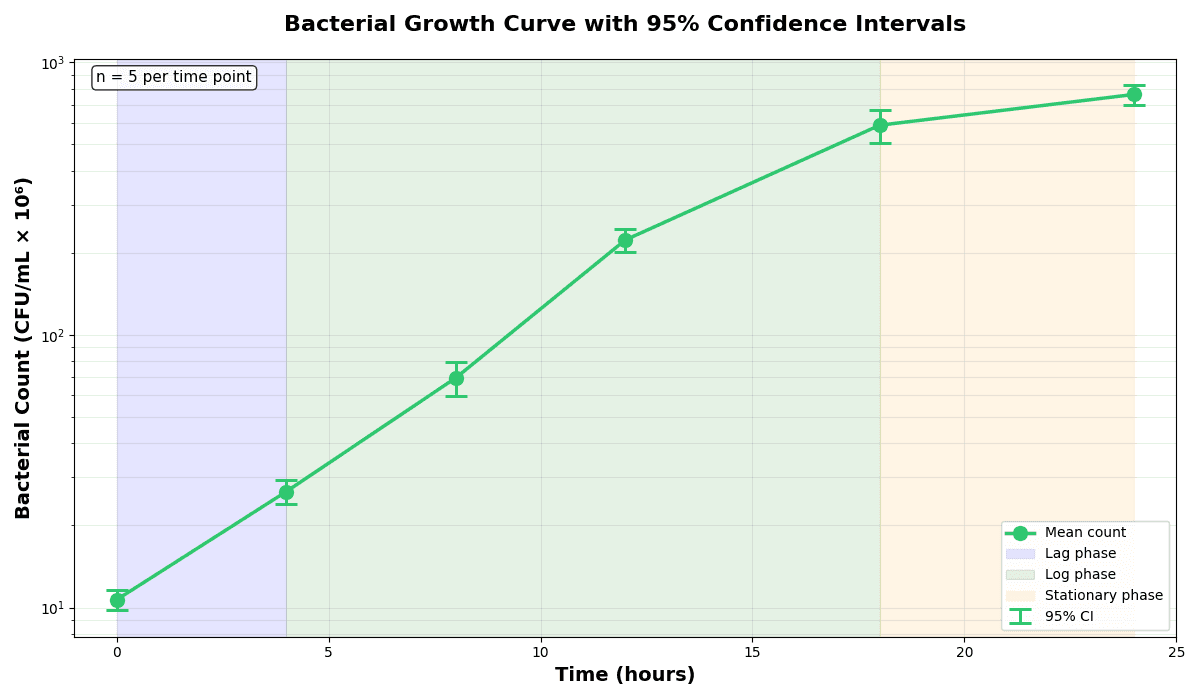
Create error bars in Python with Matplotlib to show standard deviation, standard error, confidence intervals, or other measurement uncertainty.
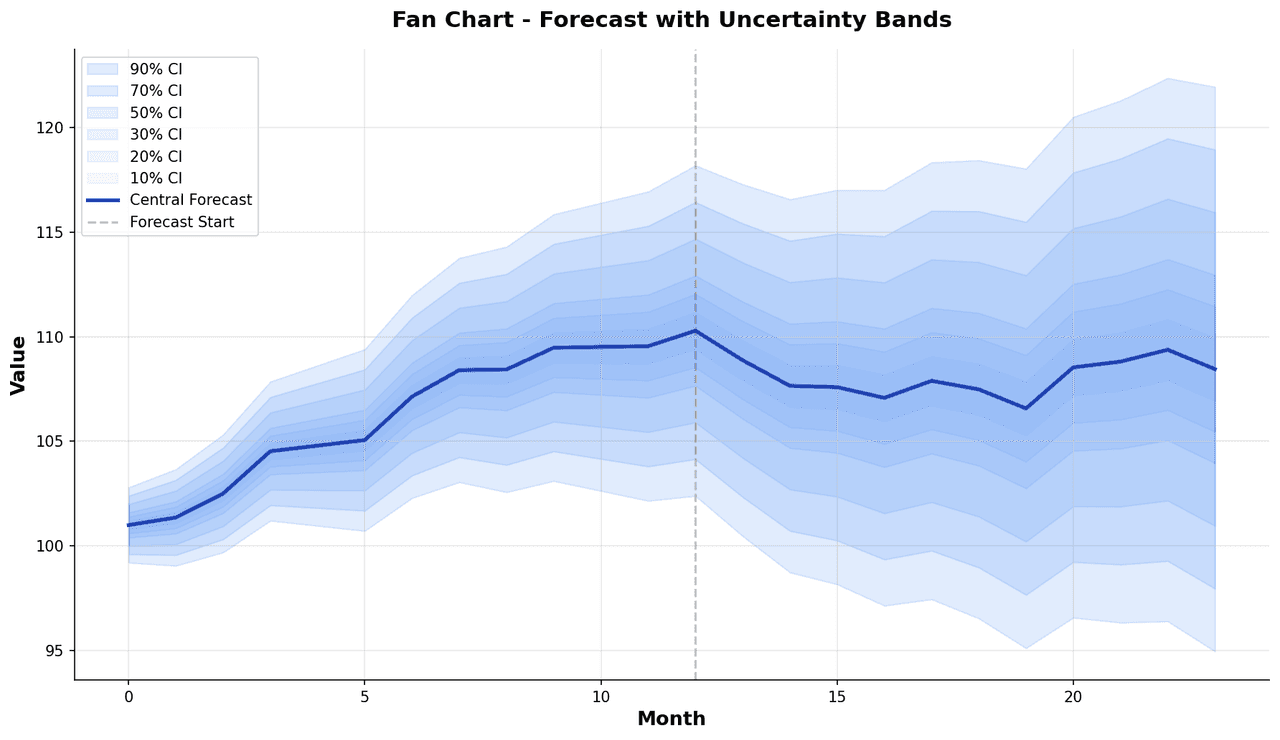
A time-series plot with nested shaded prediction intervals that fan outward from a central forecast line.
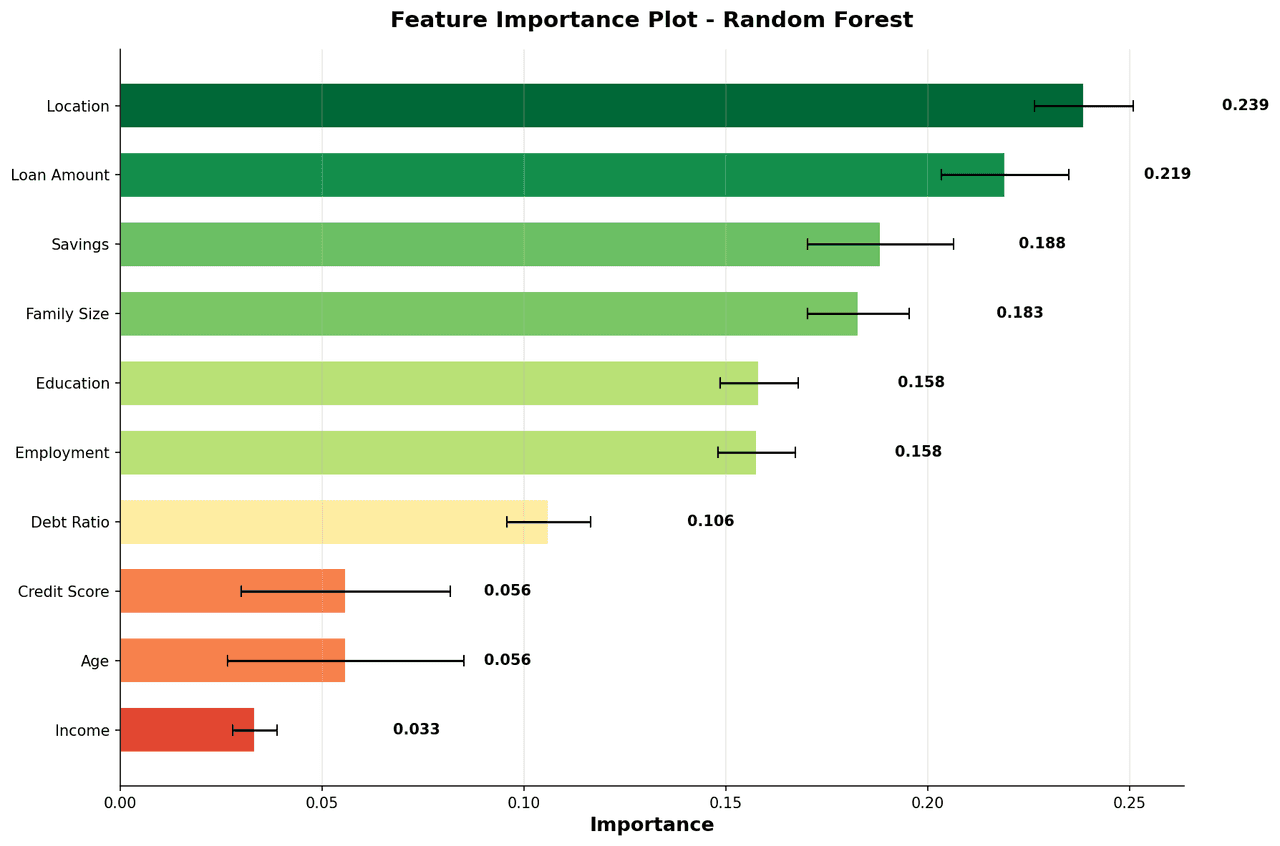
A ranked horizontal bar chart displaying the relative importance of input features from a trained tree-based model.
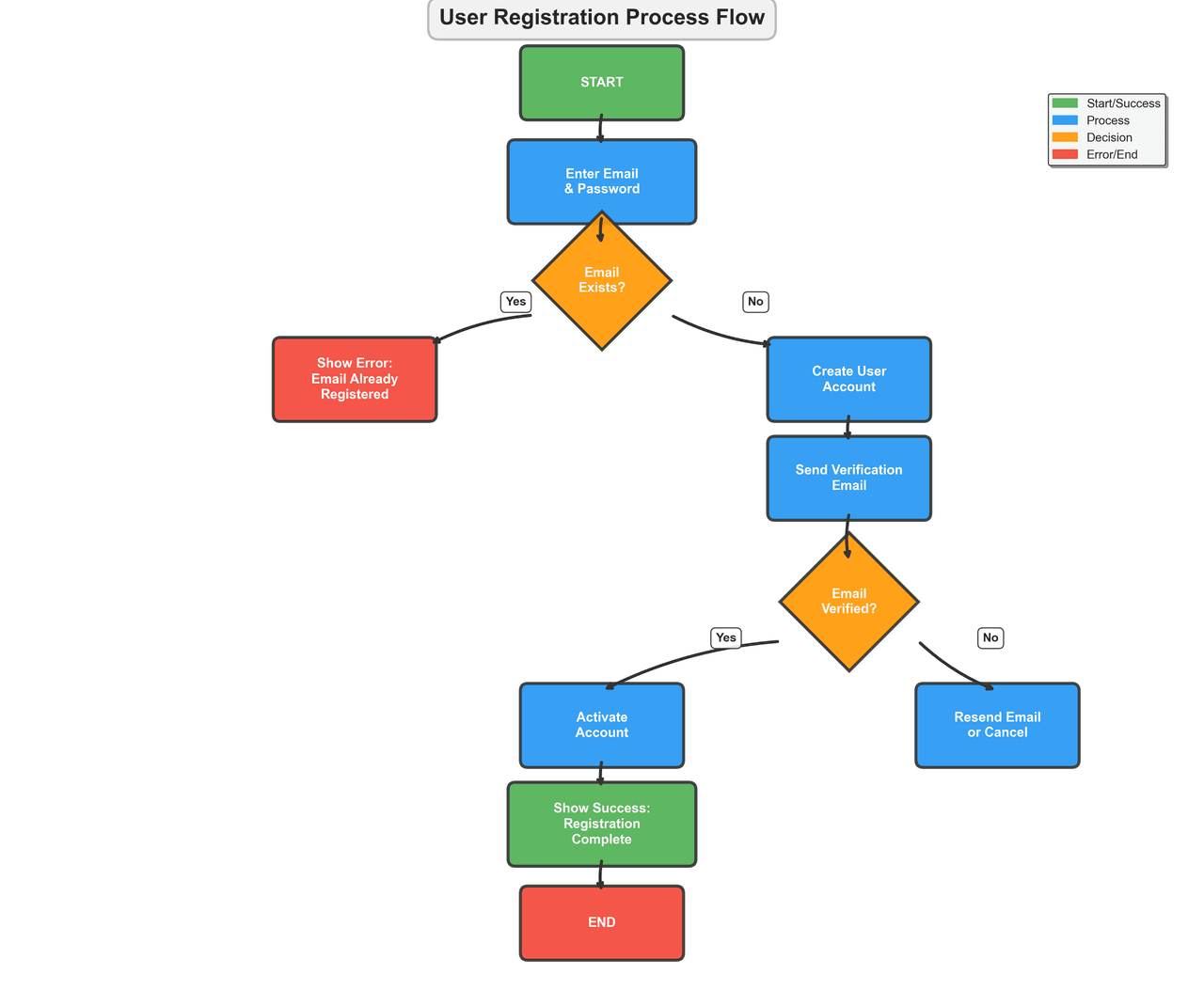
A diagram representing the sequence of steps in a process or workflow.
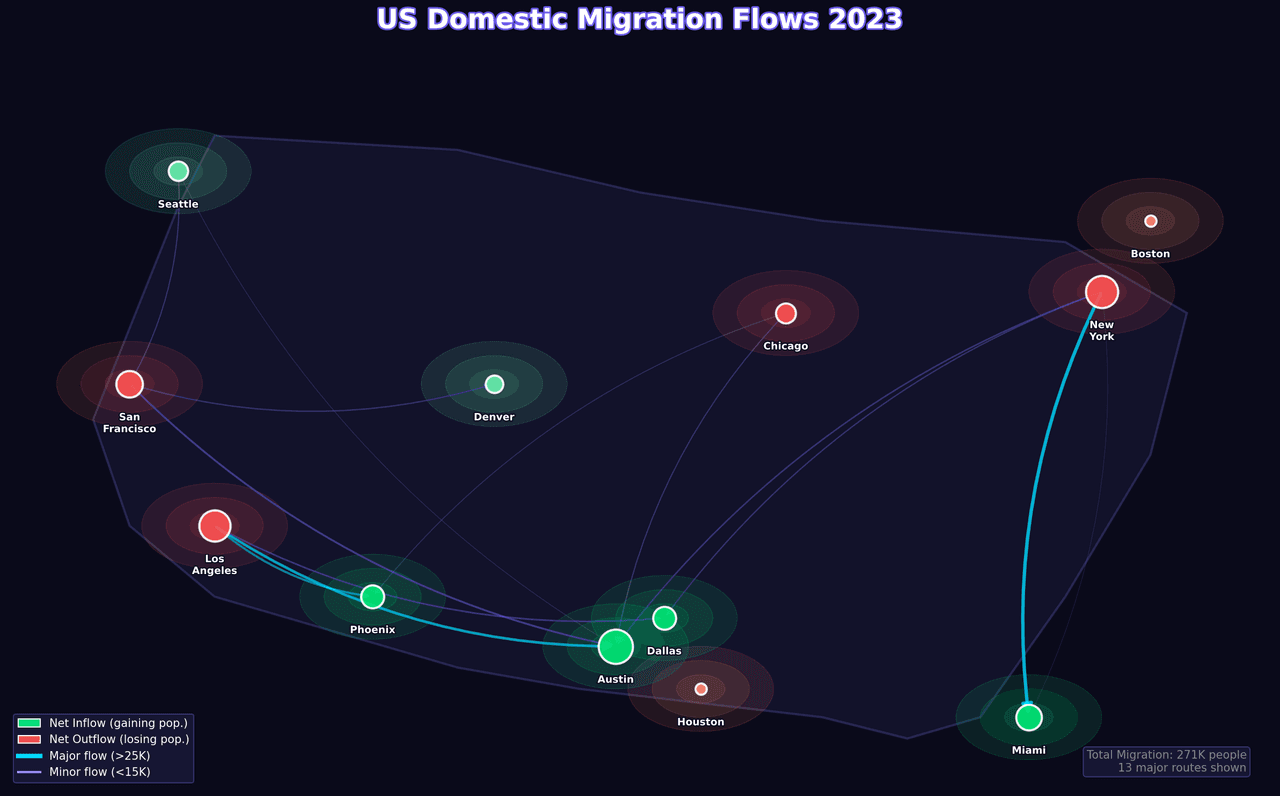
Create a flow map in Python to show how objects, people, or information move between geographic areas using directional lines and volume-based widths.
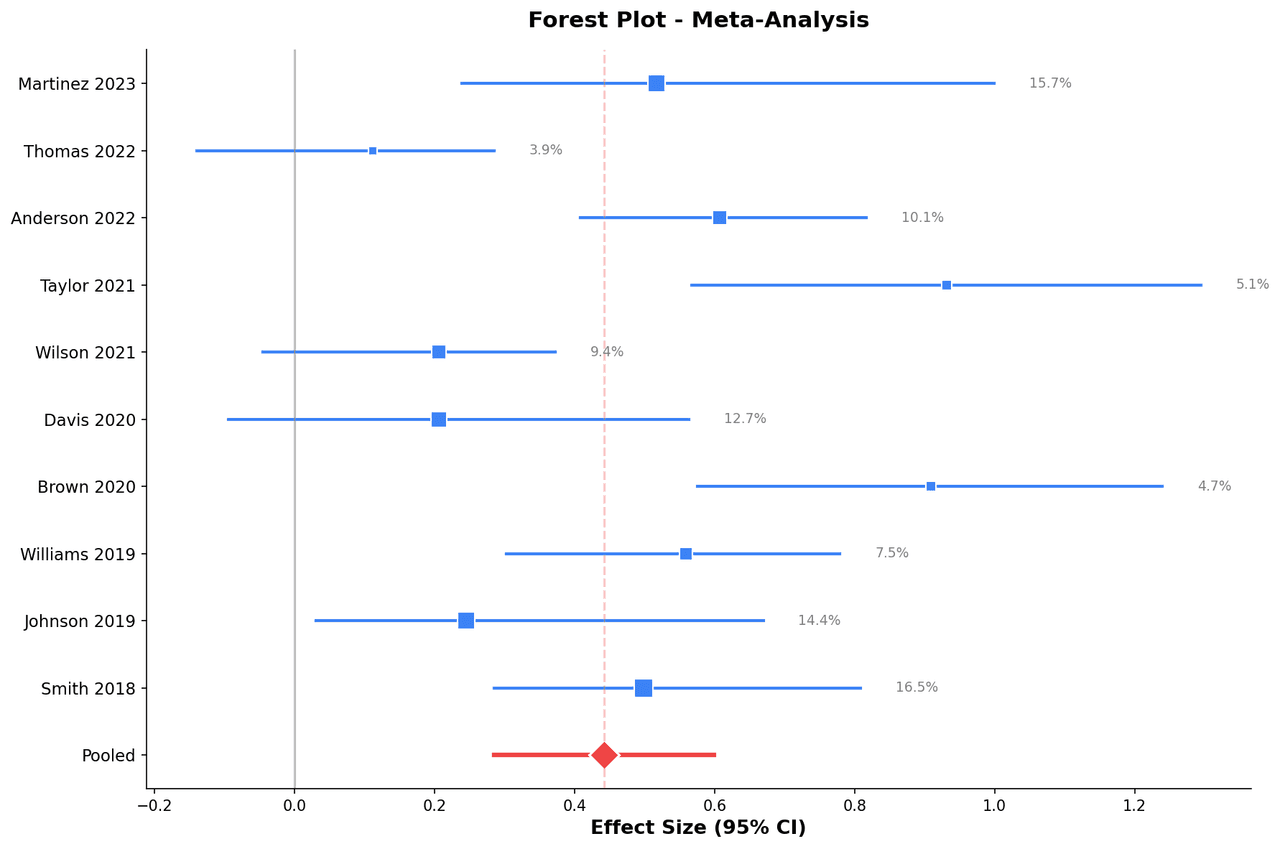
Horizontal confidence interval plot displaying effect sizes from multiple studies alongside a pooled estimate diamond, the hallmark visualization of systematic reviews.
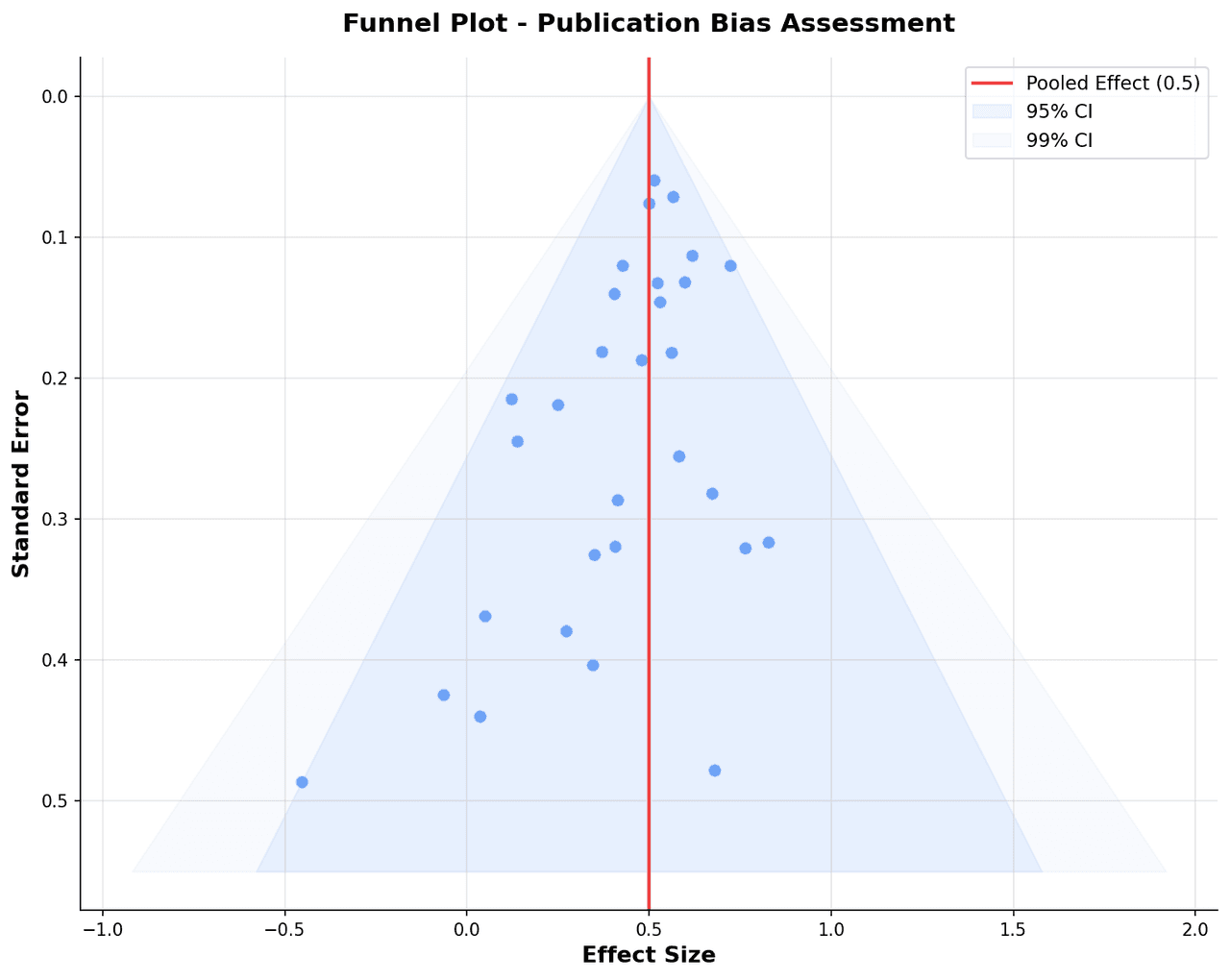
Plot effect size against study precision or standard error to assess publication bias in meta-analyses.
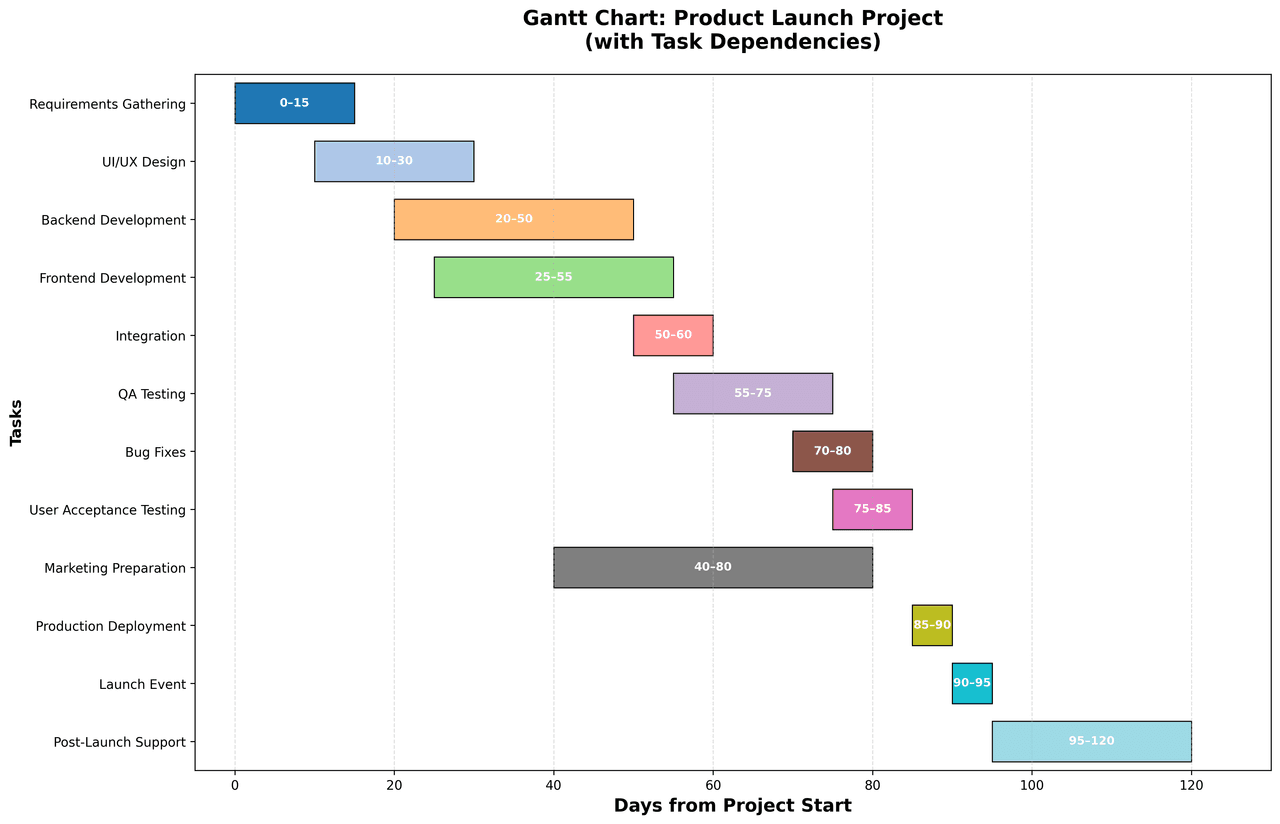
Illustrates a project schedule with tasks shown as horizontal bars over time.
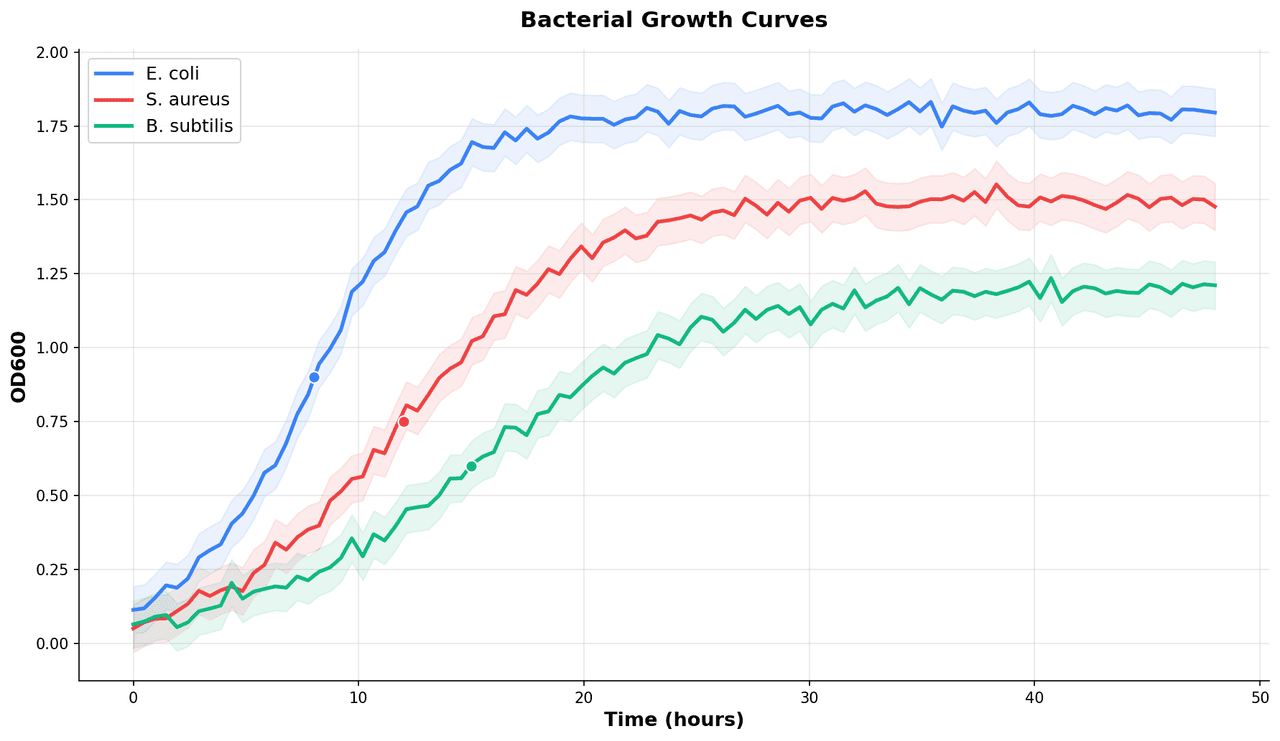
Time-series plot of cell density or biomass with fitted logistic or exponential growth models, showing lag, exponential, and stationary phases.
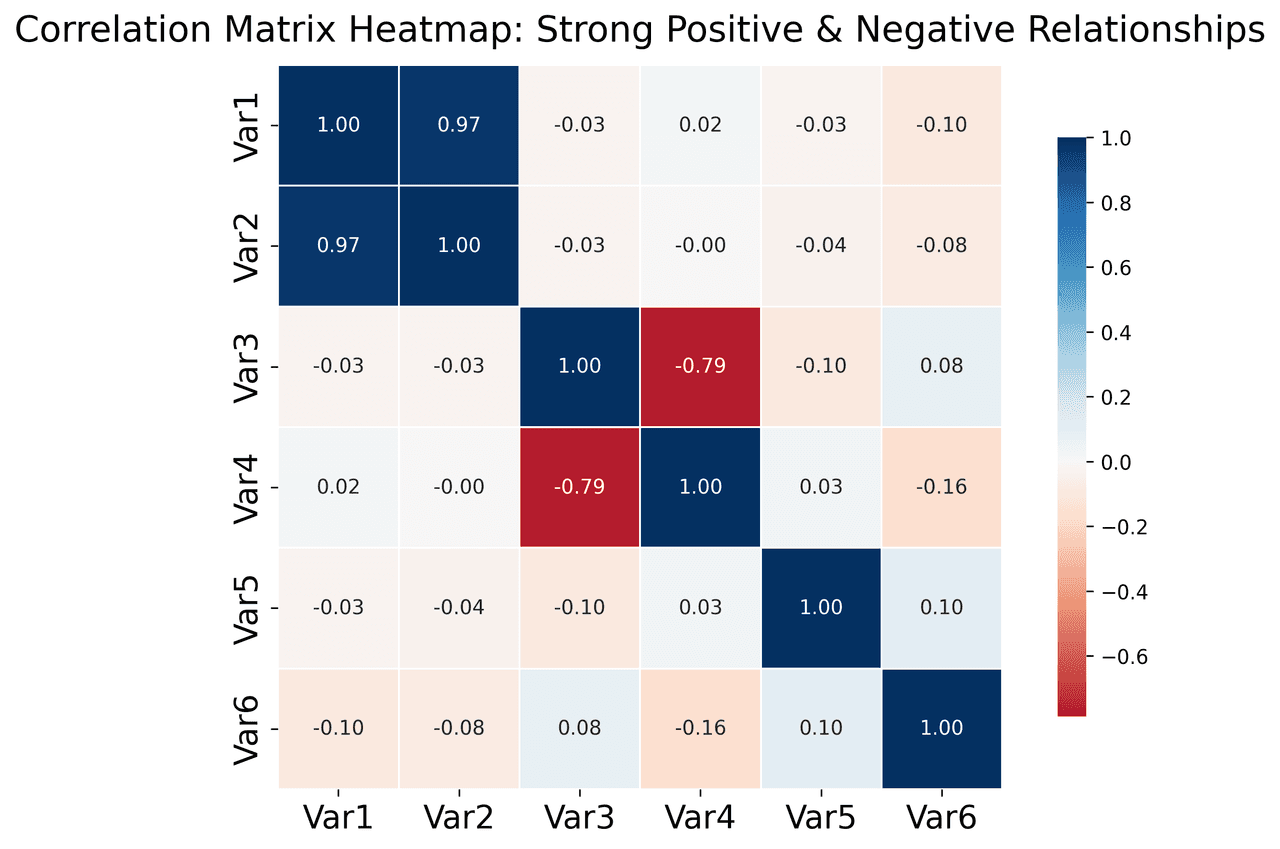
Represents data values as colors in a two-dimensional matrix format.
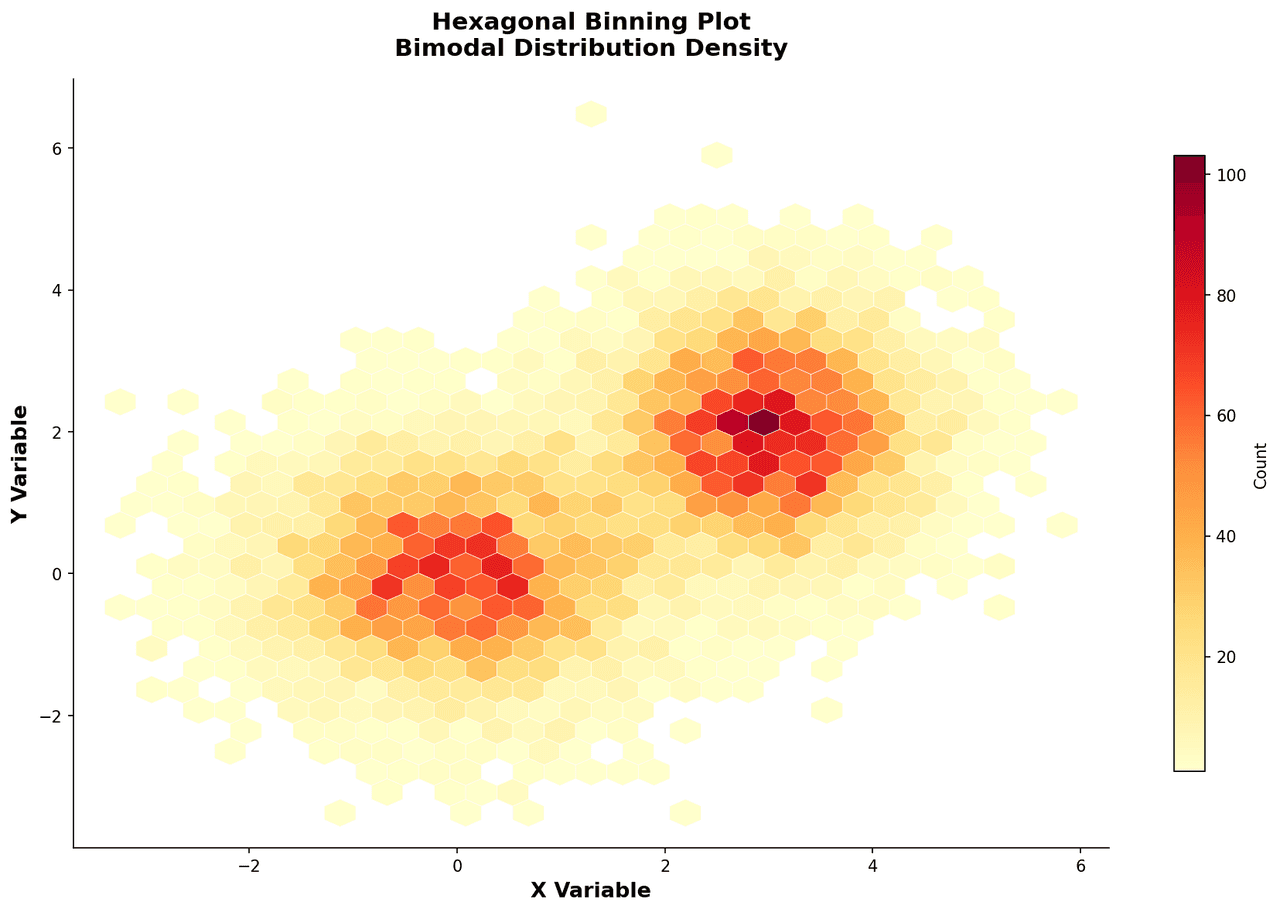
A 2D density plot using hexagonal bins to reveal data concentration when millions of points would create an overplotted scatter.
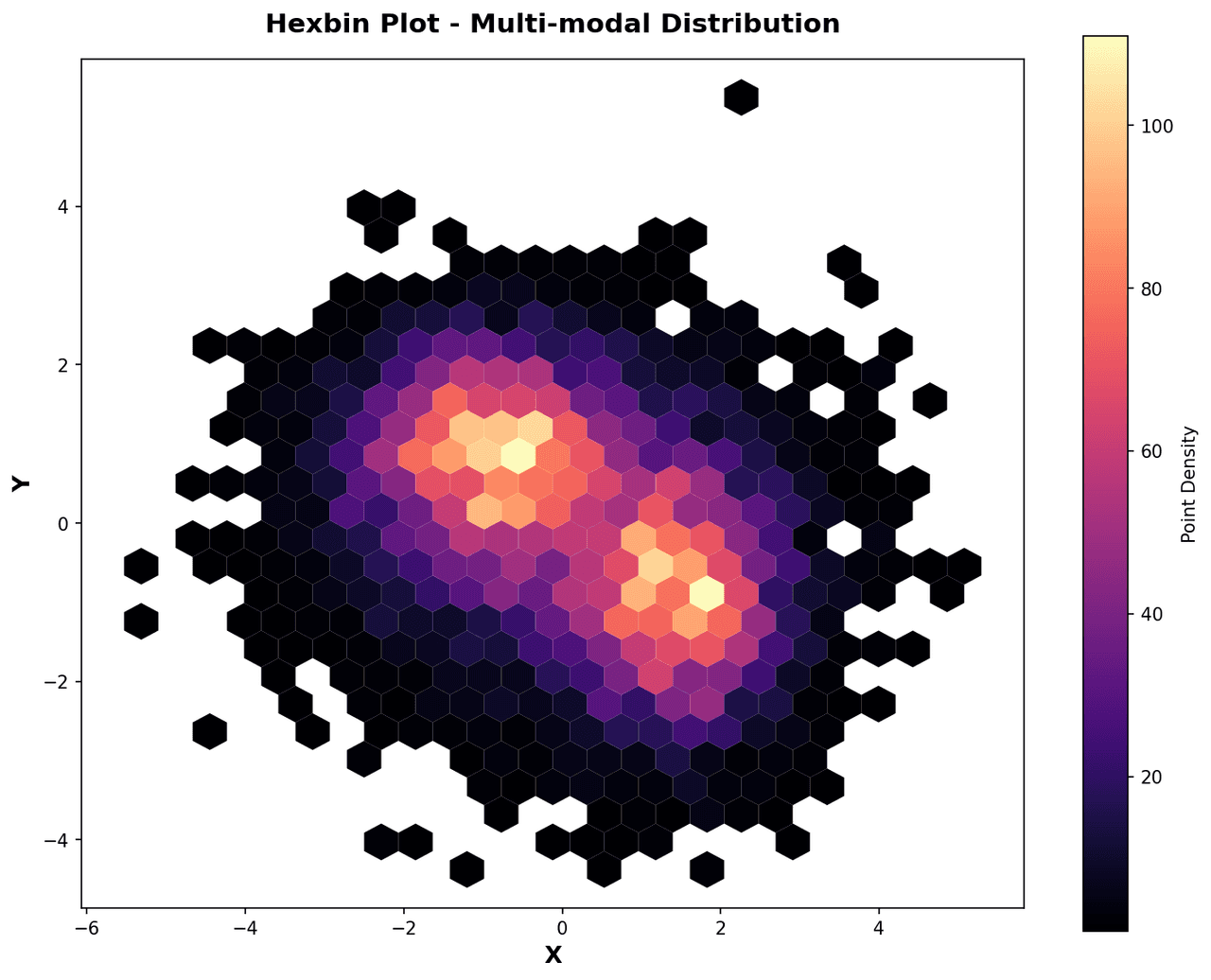
Create a hexbin plot in Python to reveal the joint distribution of two continuous variables when a large scatter plot becomes difficult to read.
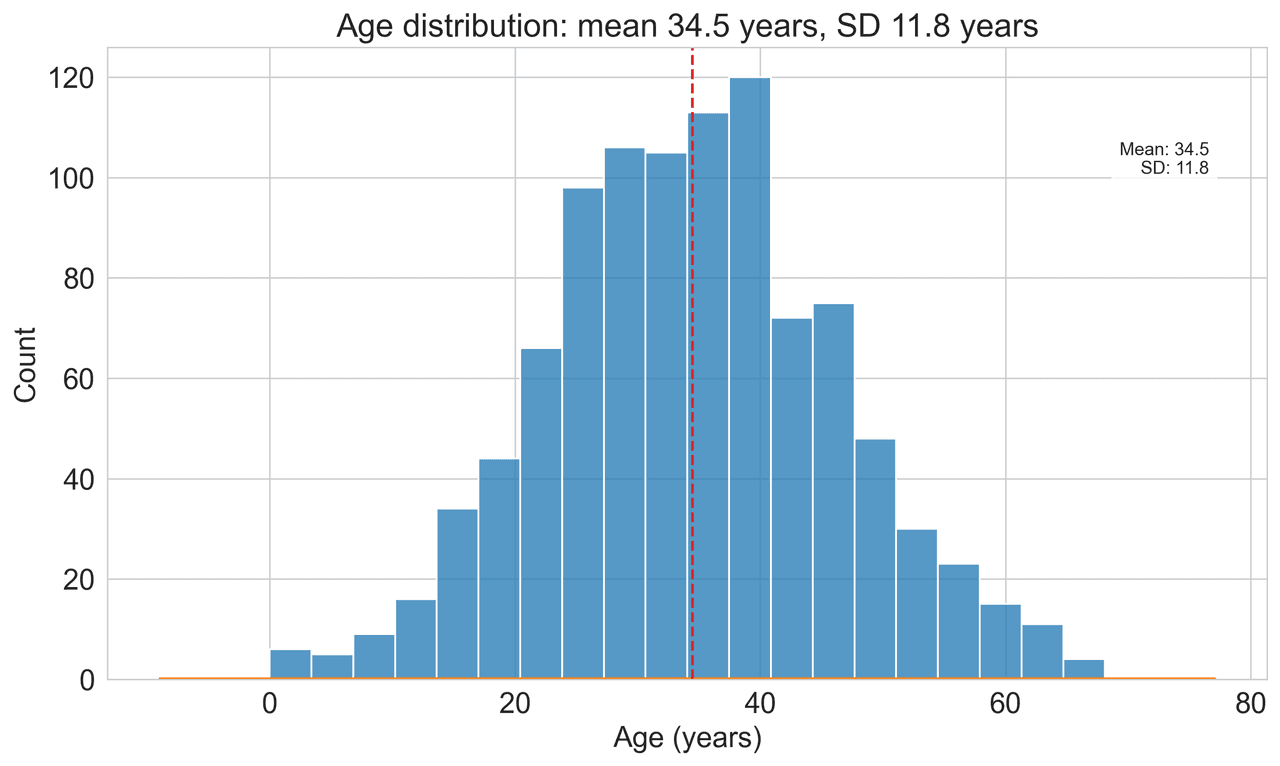
Displays the distribution of numerical data by grouping values into bins.
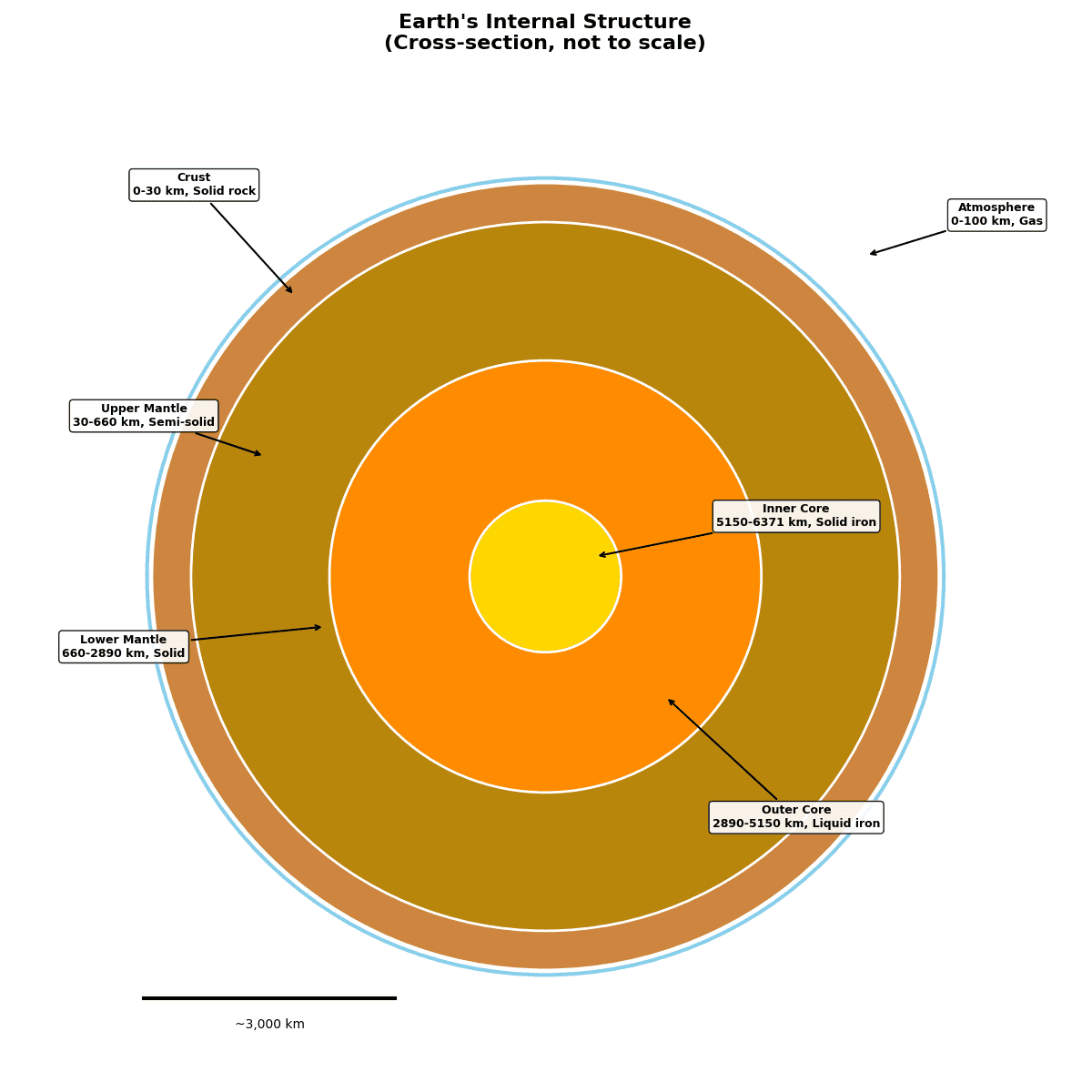
Custom diagrams using drawing primitives to illustrate specific concepts.
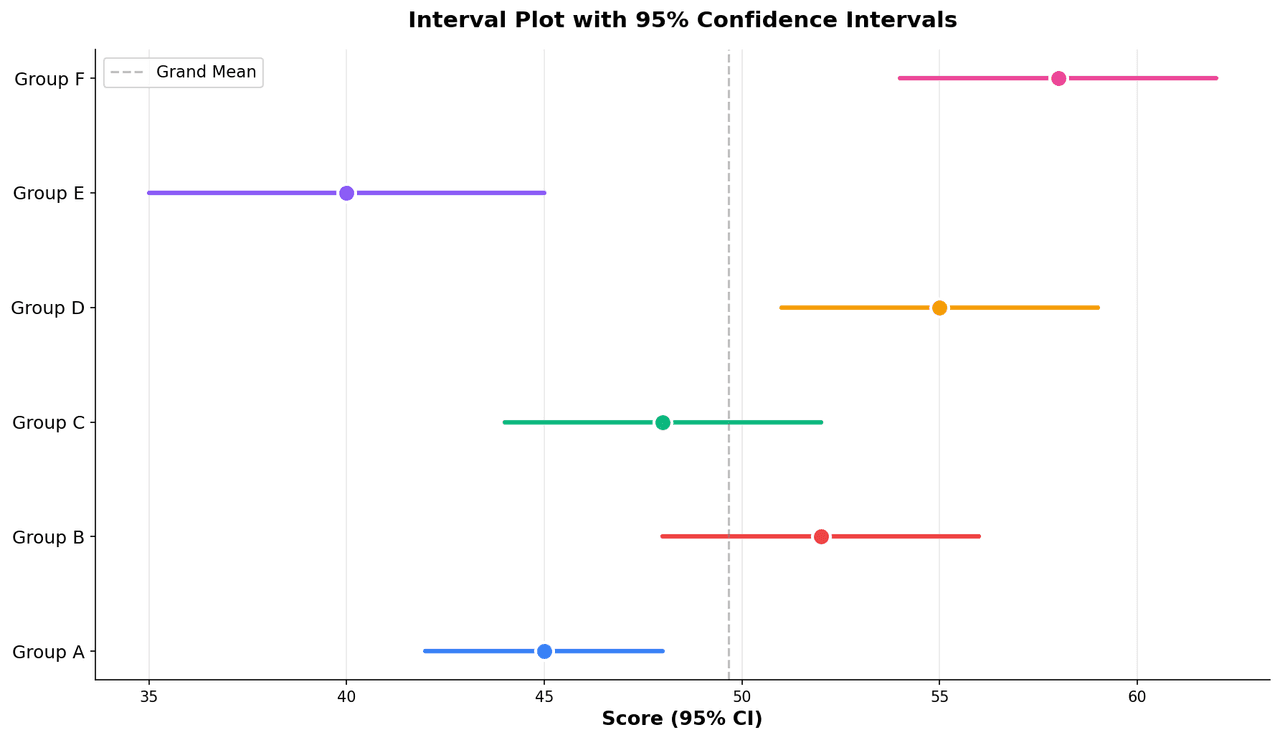
Learn how an interval plot in Python compares group means with confidence intervals and emphasises statistical precision without raw-data clutter.
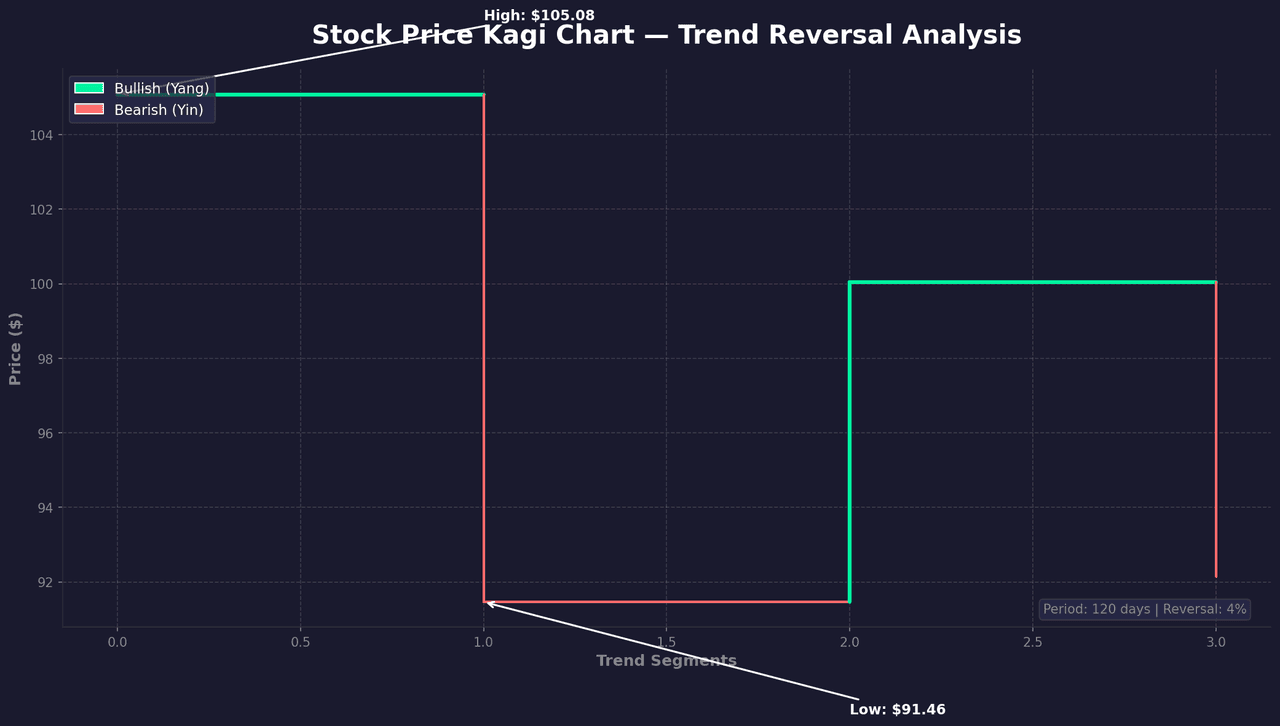
A financial chart for tracking price movements that filters out noise and highlights trend reversals.
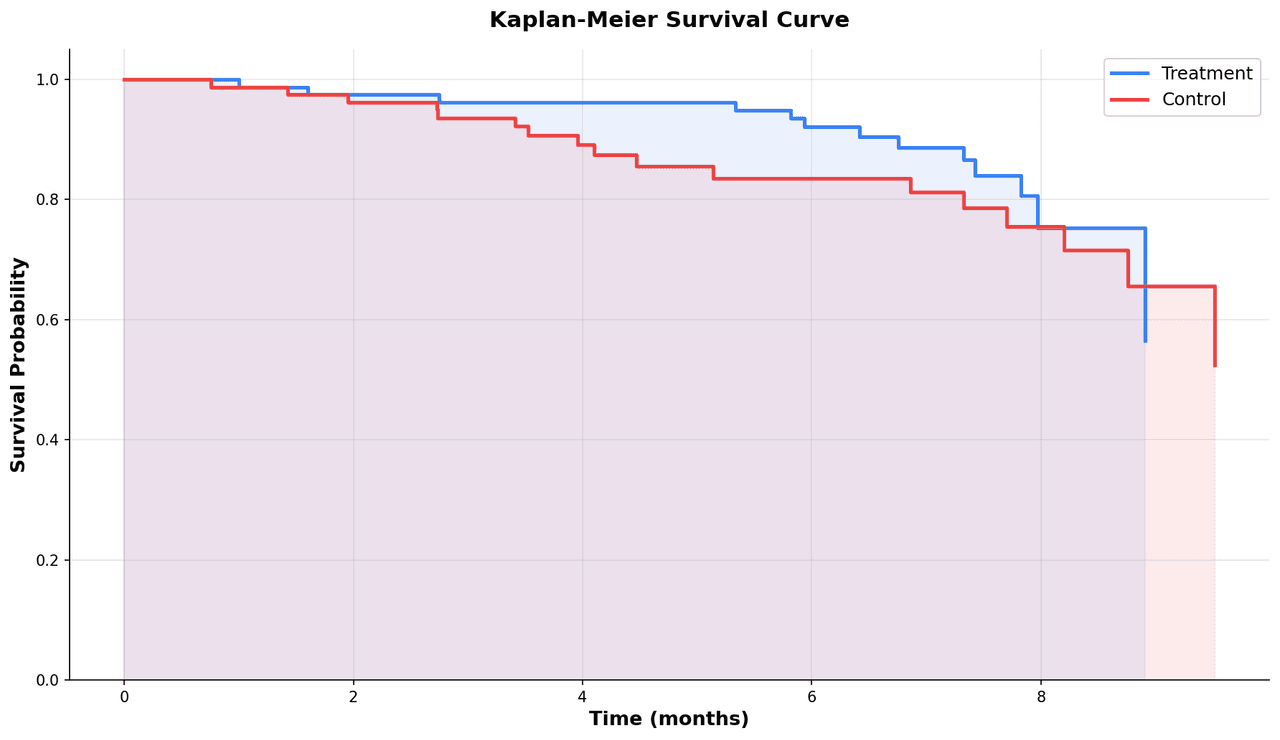
Step-function survival curves showing the probability of event-free survival over time, with censoring marks and confidence interval bands.
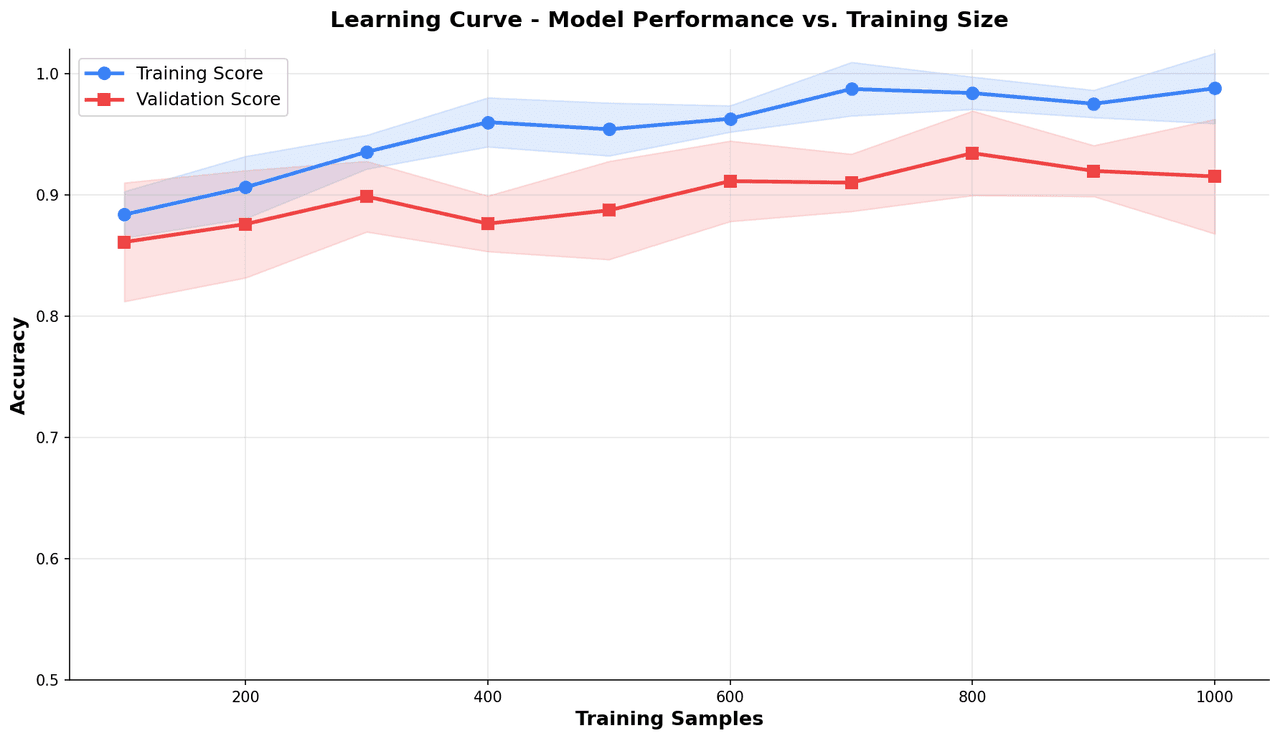
A dual-line plot of training and validation loss or accuracy tracked across epochs or training set size.
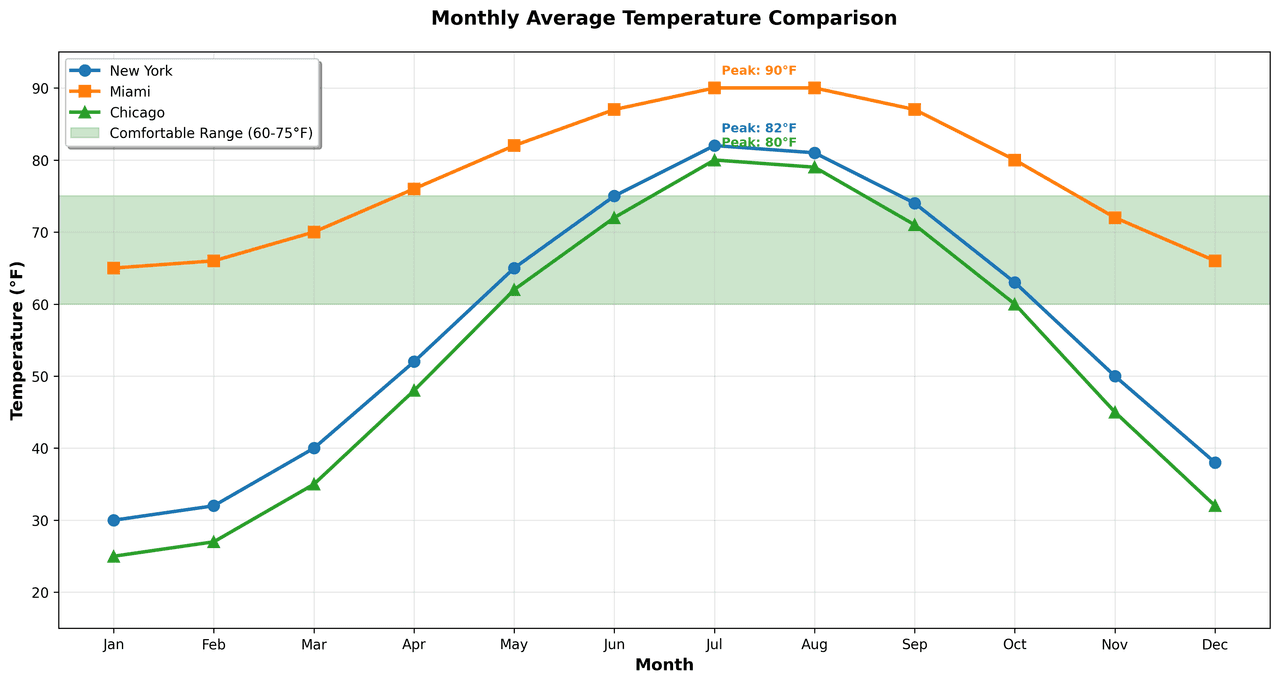
Create a line graph in Python to connect ordered data points, reveal time-series trends, and compare how multiple values change across a continuous scale.
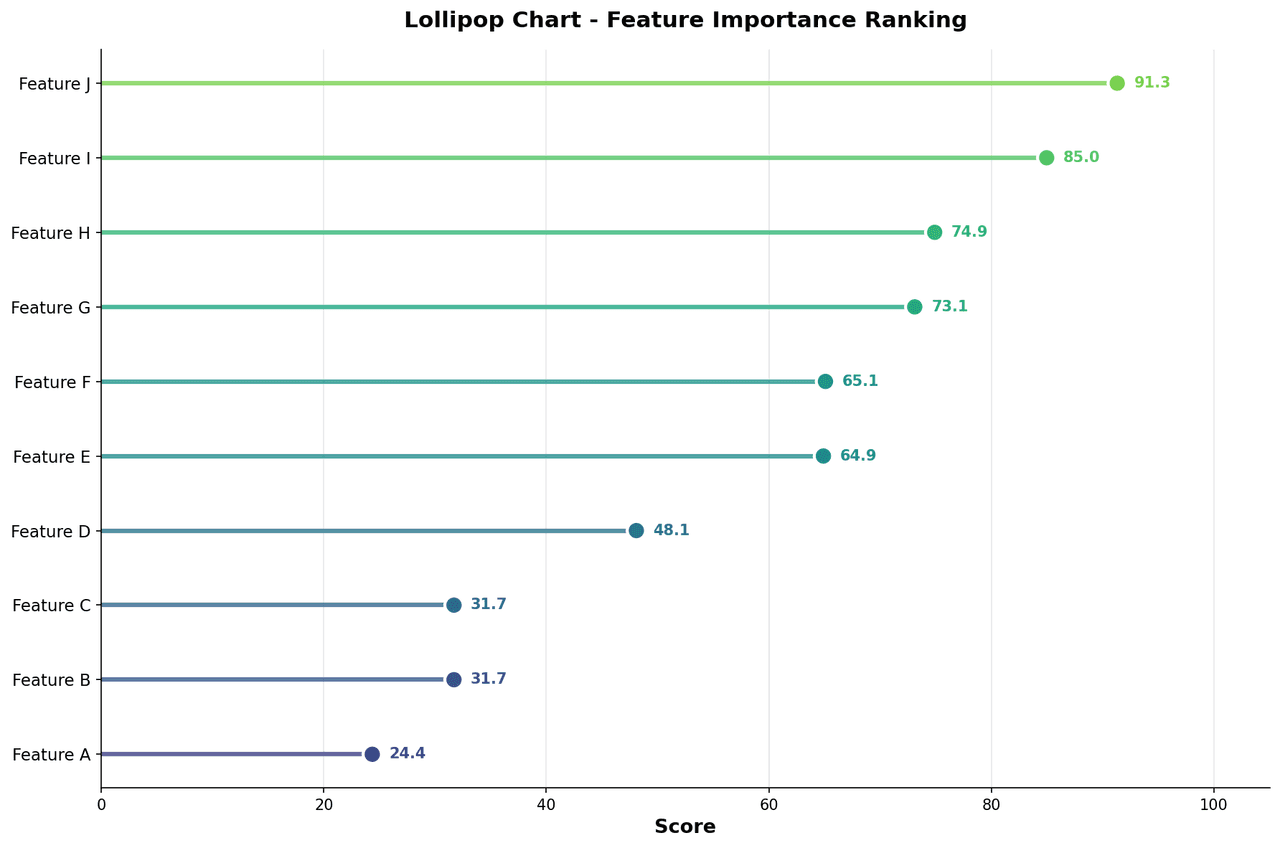
A cleaner alternative to bar charts that uses a thin stem and dot to display a single value per category, reducing visual clutter for ranked comparisons.
A 3D surface or 2D contour plot of a neural network's loss function projected onto two random or principal parameter directions.
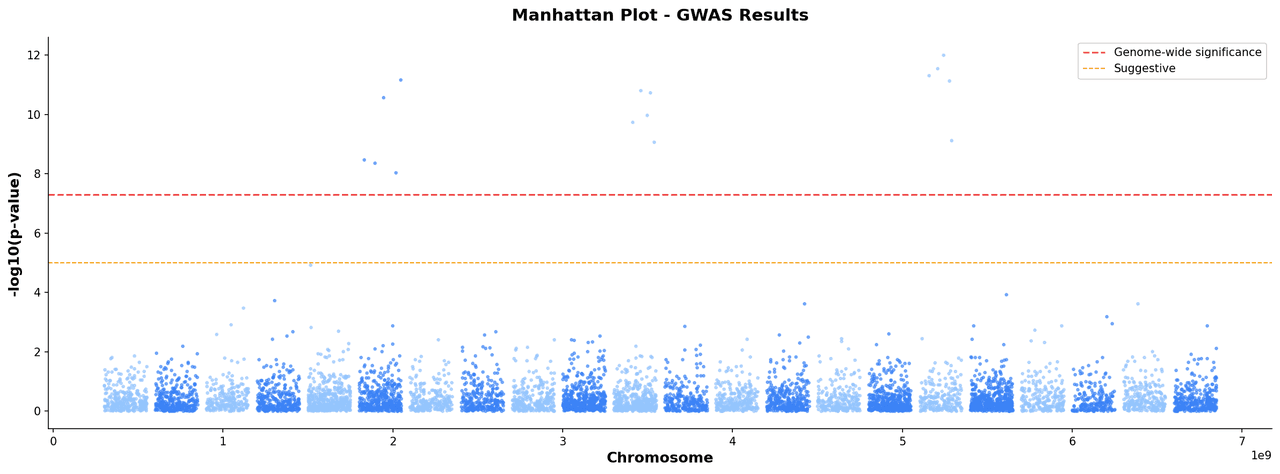
Genome-wide scatter plot displaying -log10 p-values of SNP associations across chromosomes, with horizontal significance threshold lines.
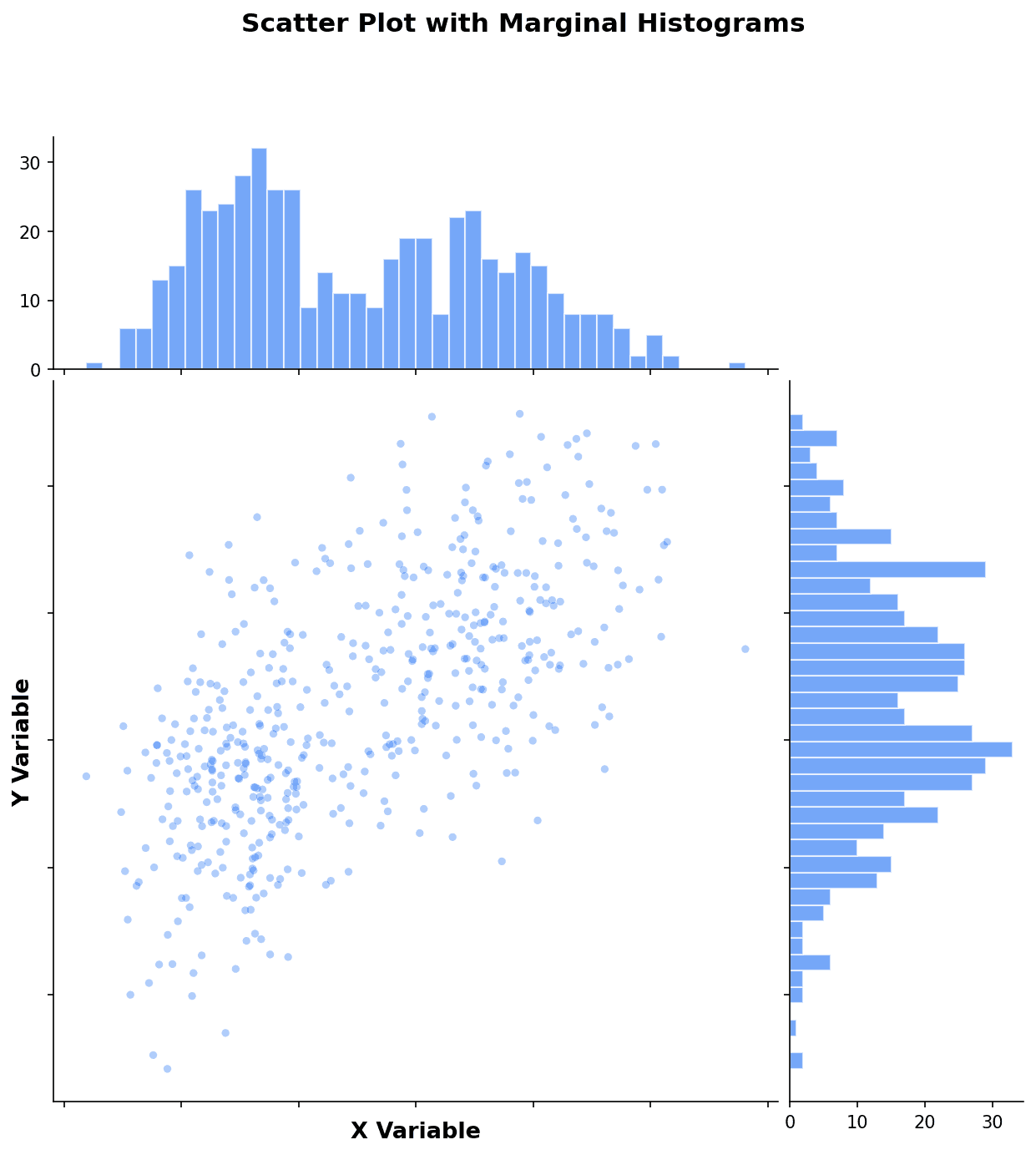
Scatter plot augmented with marginal distribution panels (histograms or KDE) along each axis to simultaneously display joint and marginal distributions.
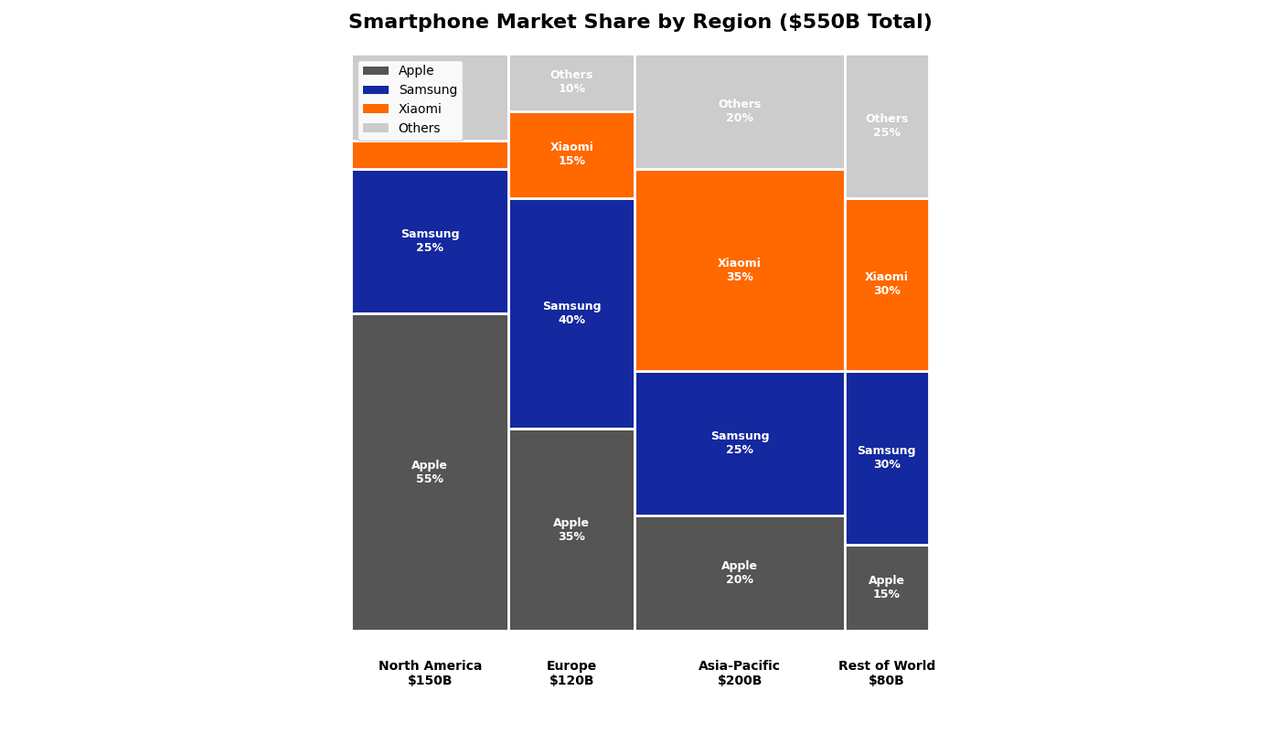
A variable-width bar chart where both width and height of segments are proportional to values.
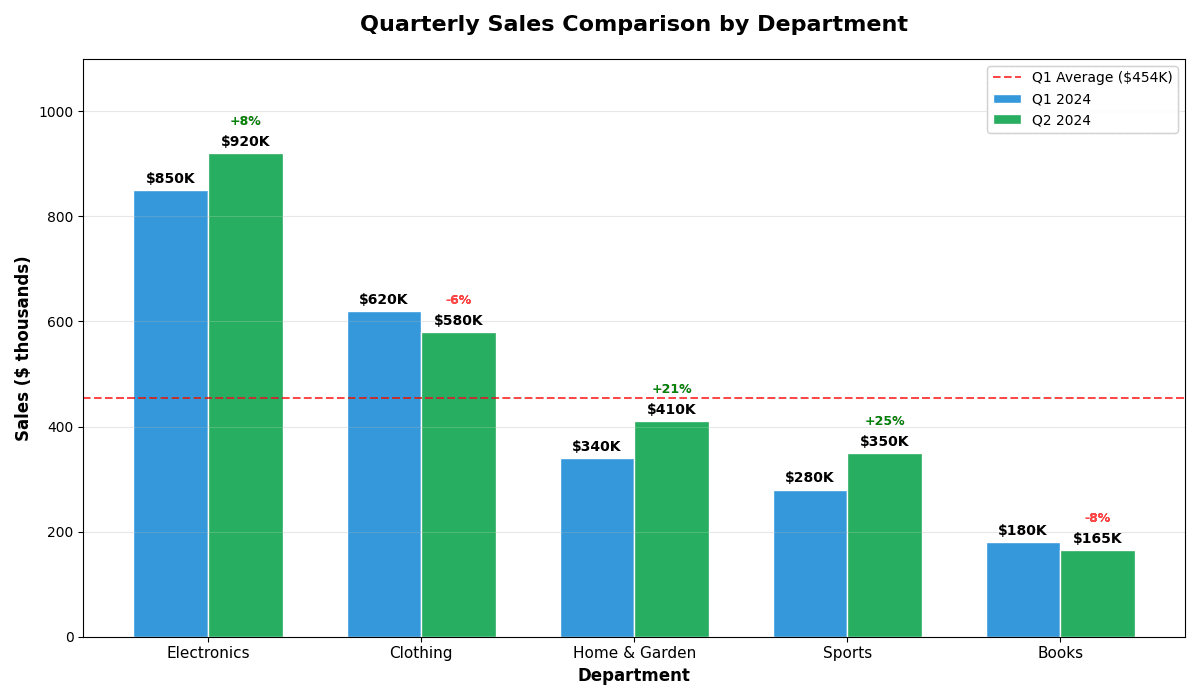
A bar chart where multiple datasets are displayed side-by-side for direct comparison.
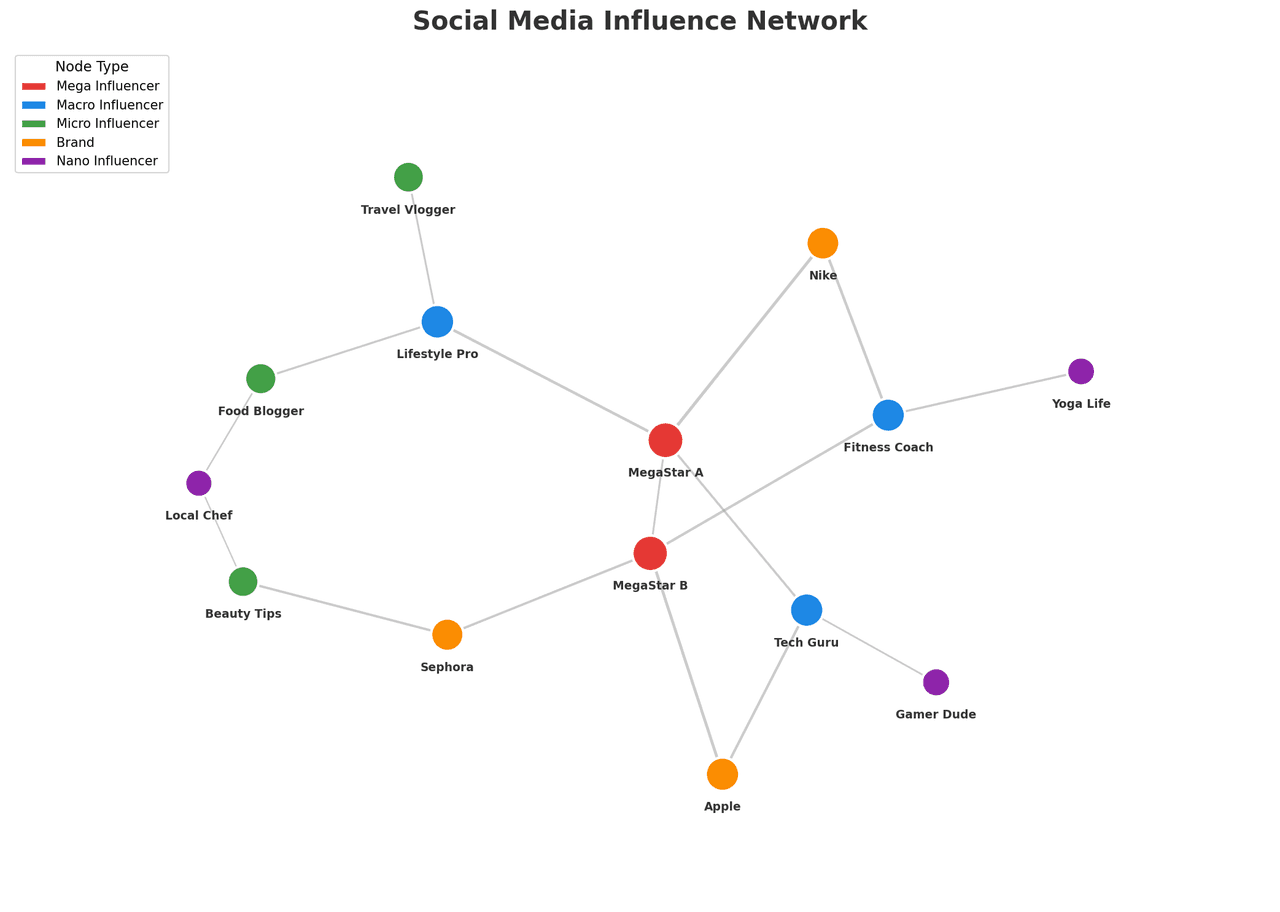
A graph showing how different entities are connected through relationships.
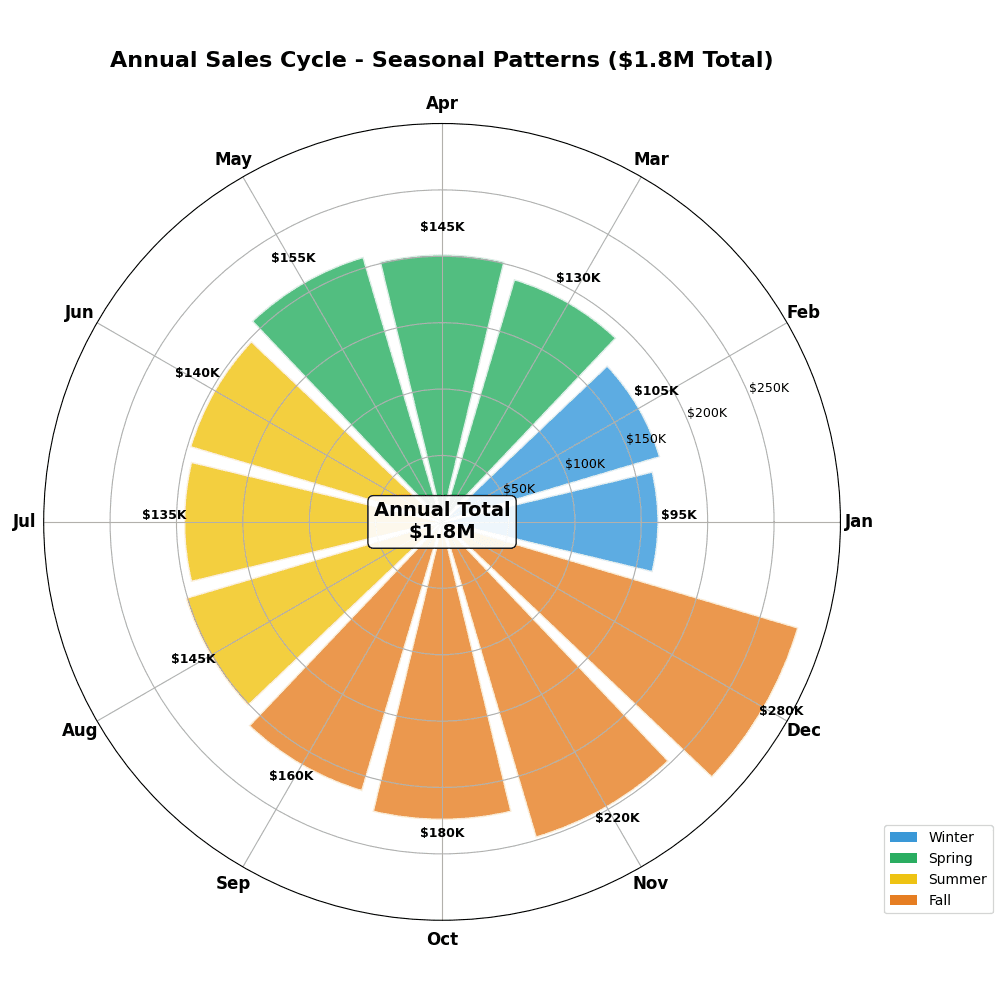
A polar area diagram combining properties of radar charts and bar charts.

A chord diagram where connections are shown as lines rather than ribbons.
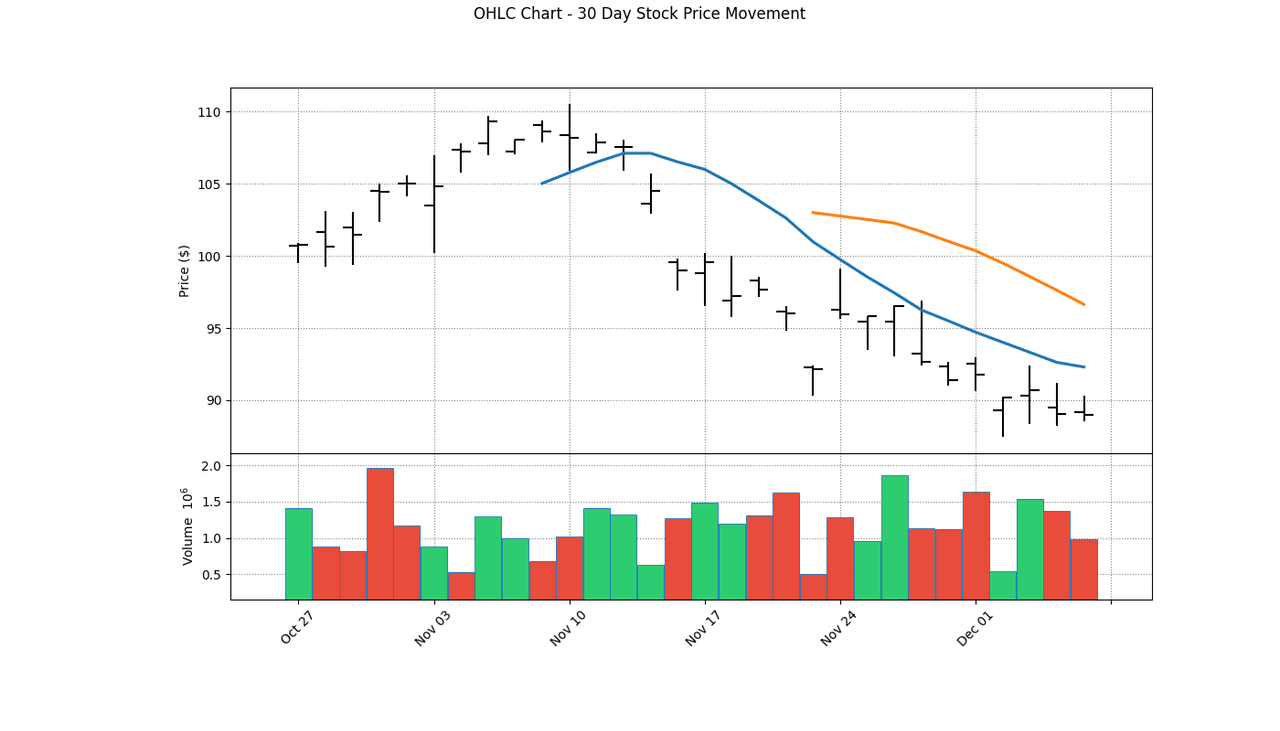
Illustrates movements in the price of a financial instrument showing open, high, low, and close values.
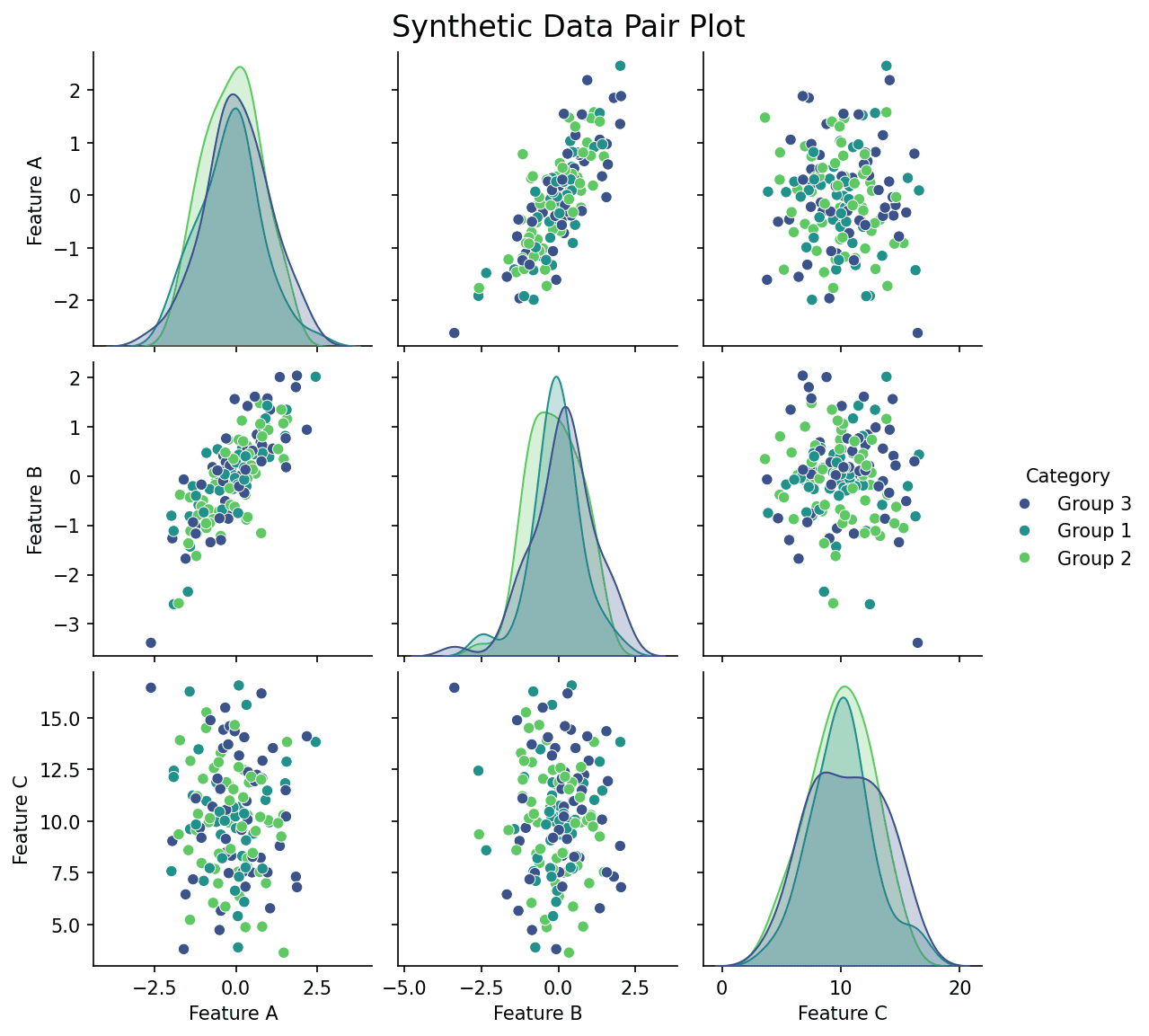
Create a pair plot in Python to compare every pair of numeric variables and inspect each variable's distribution on the diagonal.
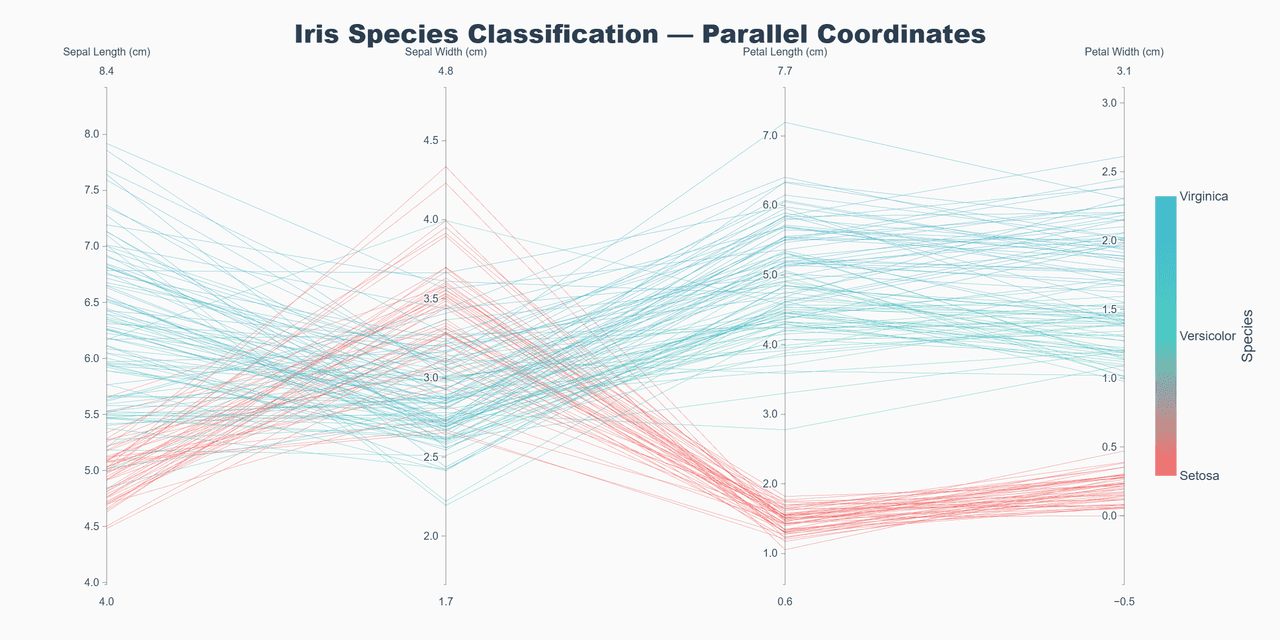
Visualizes high-dimensional data by plotting each variable on a separate vertical axis.
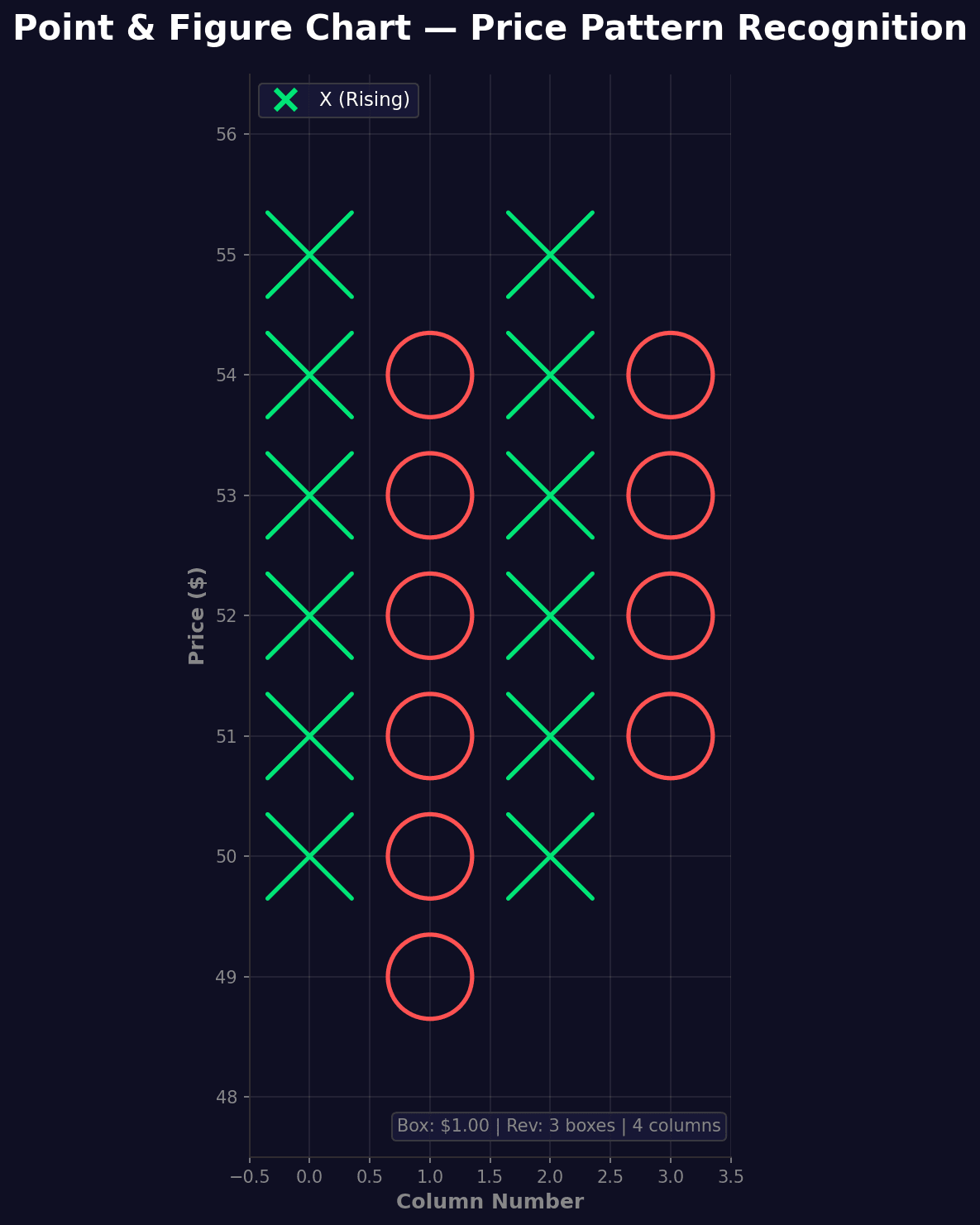
A charting technique focusing on price movements without regard to time.
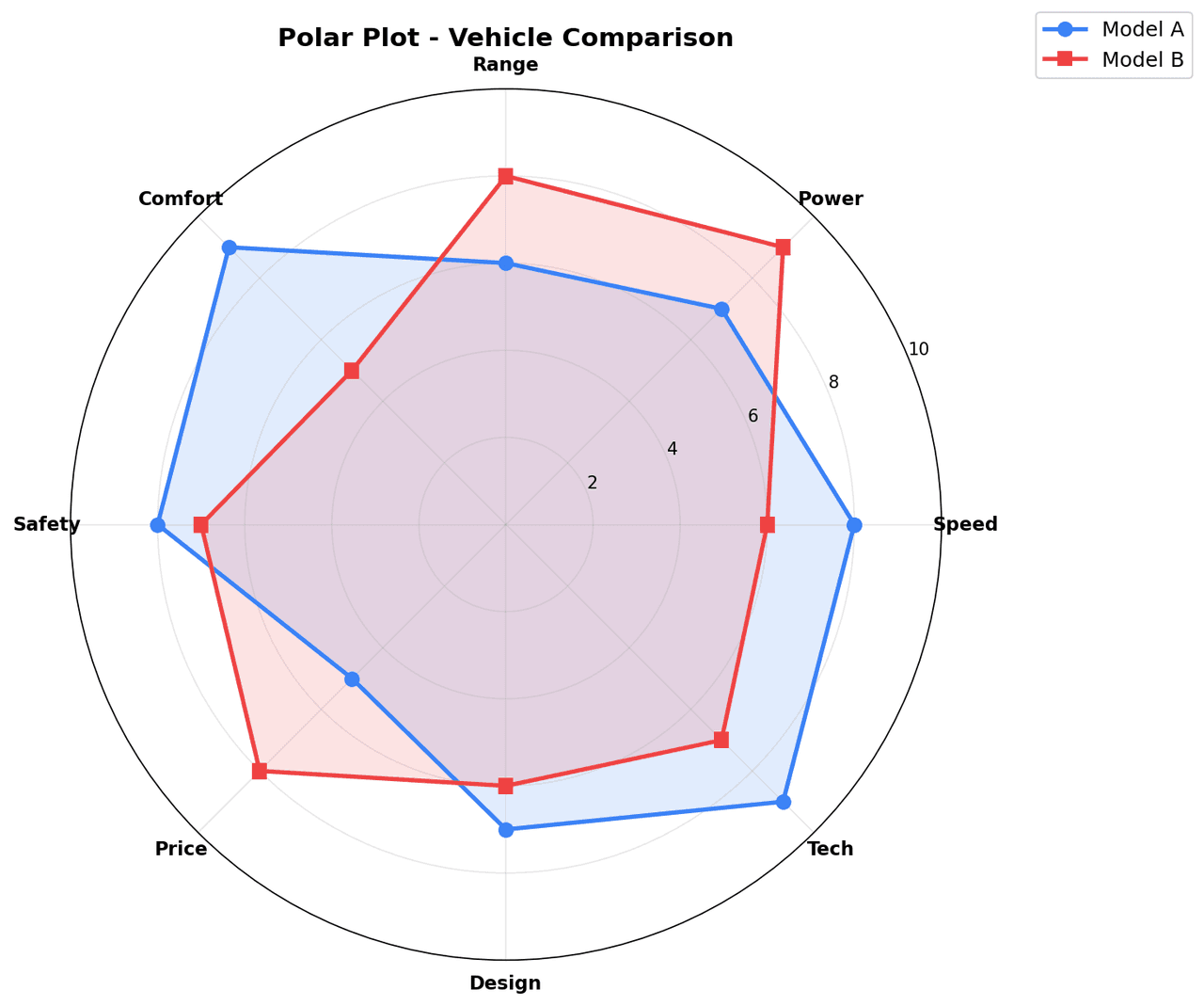
Displays data as a function of angle in polar coordinates, ideal for radiation patterns, angular distributions, and directional measurements.
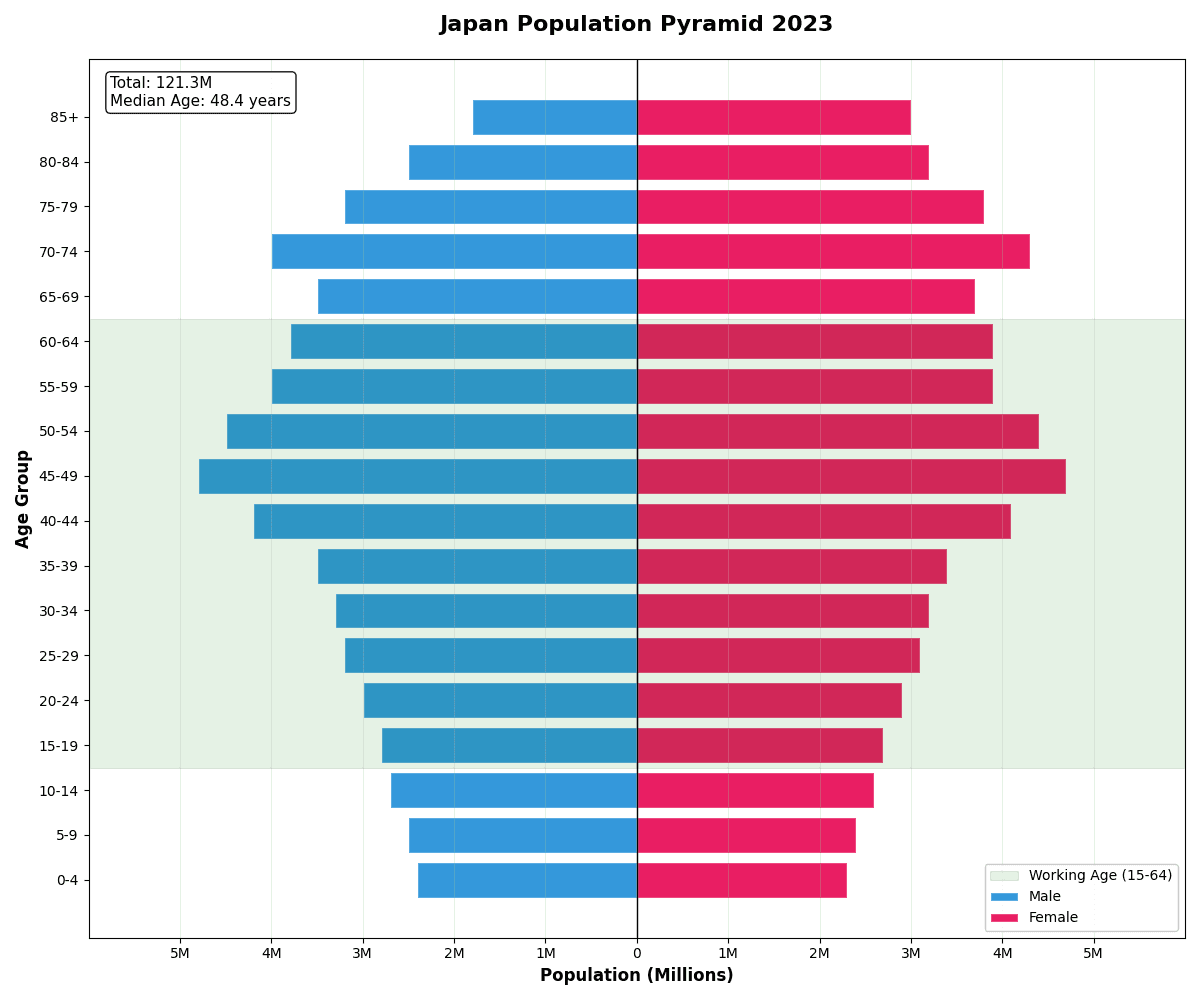
Shows the distribution of various age groups in a population, split by gender.
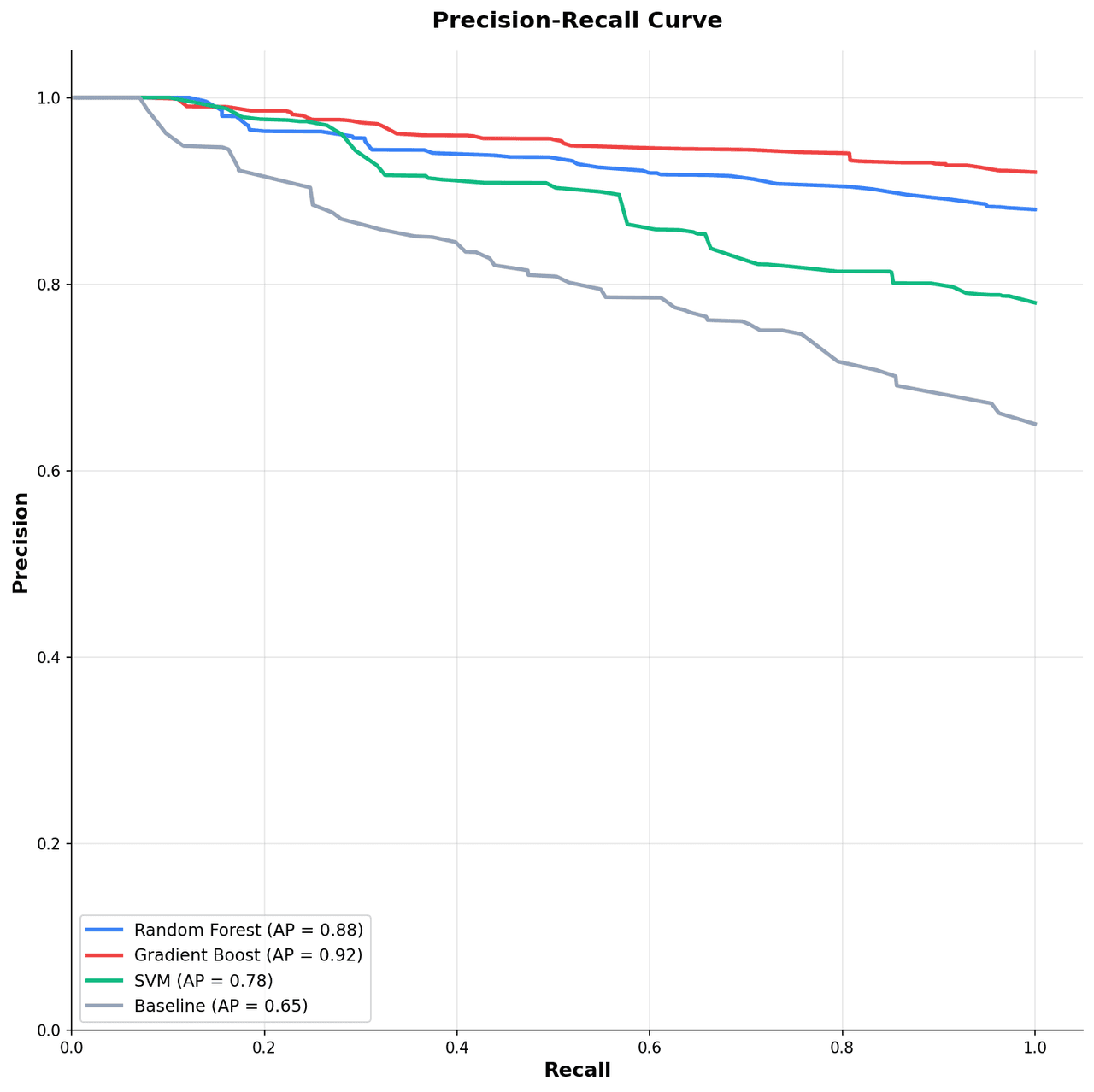
Plot precision against recall across thresholds to evaluate classifier performance on imbalanced datasets with average precision annotation.
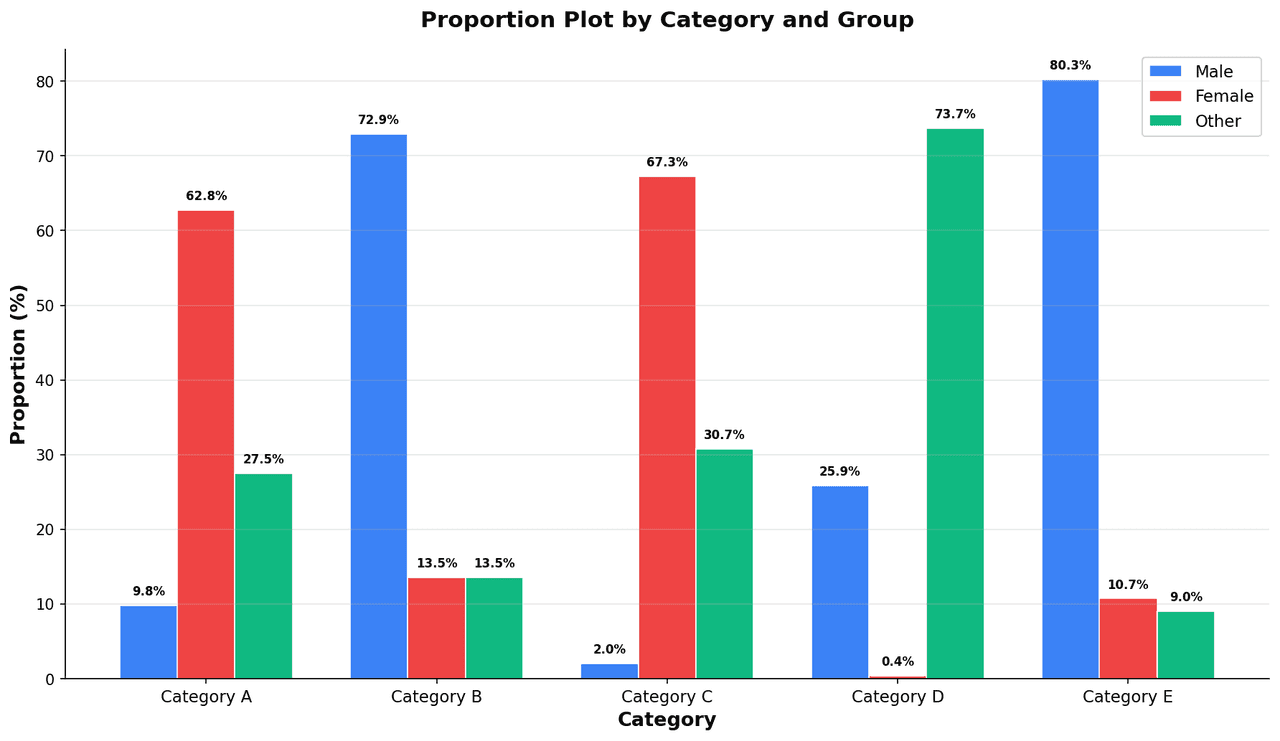
A proportion plot uses 100% stacked bars to compare the relative composition of categories across groups.

Uses shapes with areas proportional to values for visual comparison.
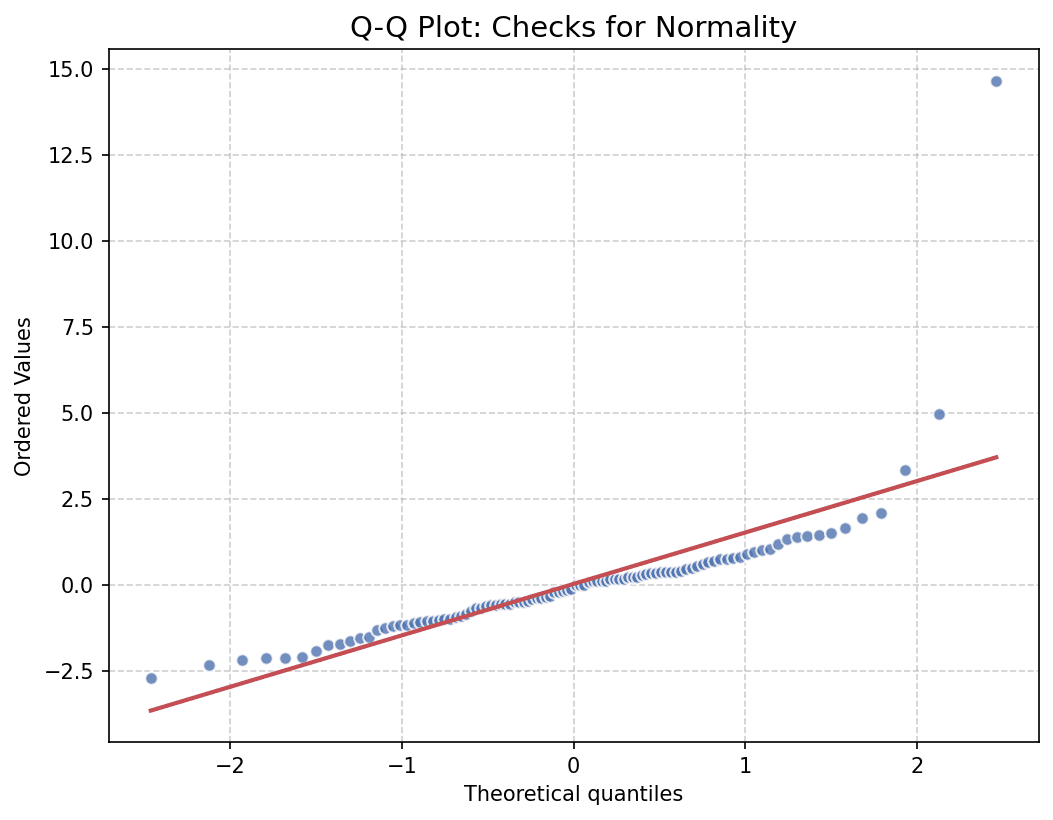
A Q-Q plot compares distribution quantiles; use this Python example to inspect normality and the shape of deviations from a reference line.
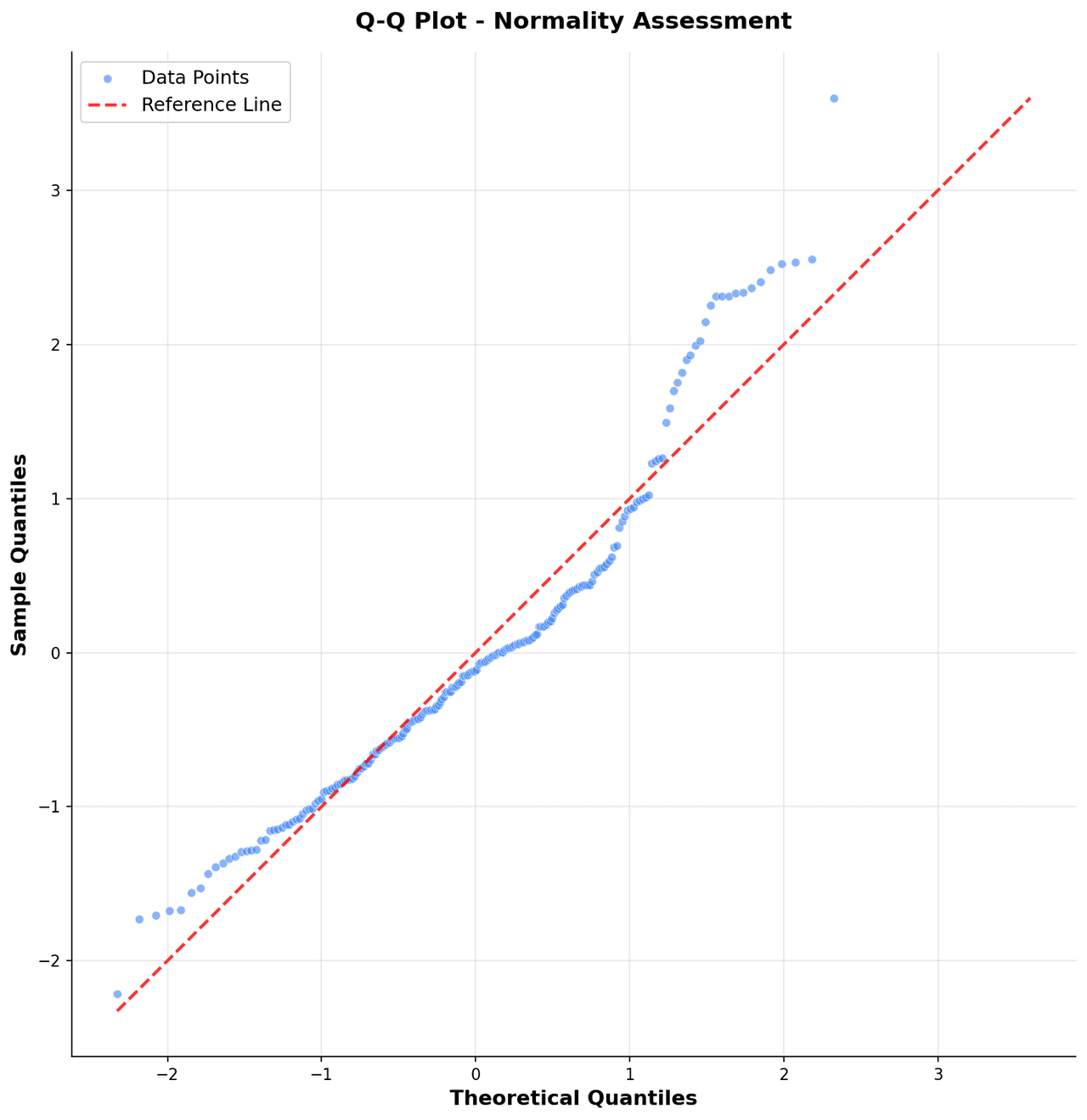
A scatter plot of sample quantiles against theoretical or reference distribution quantiles to assess distributional fit.
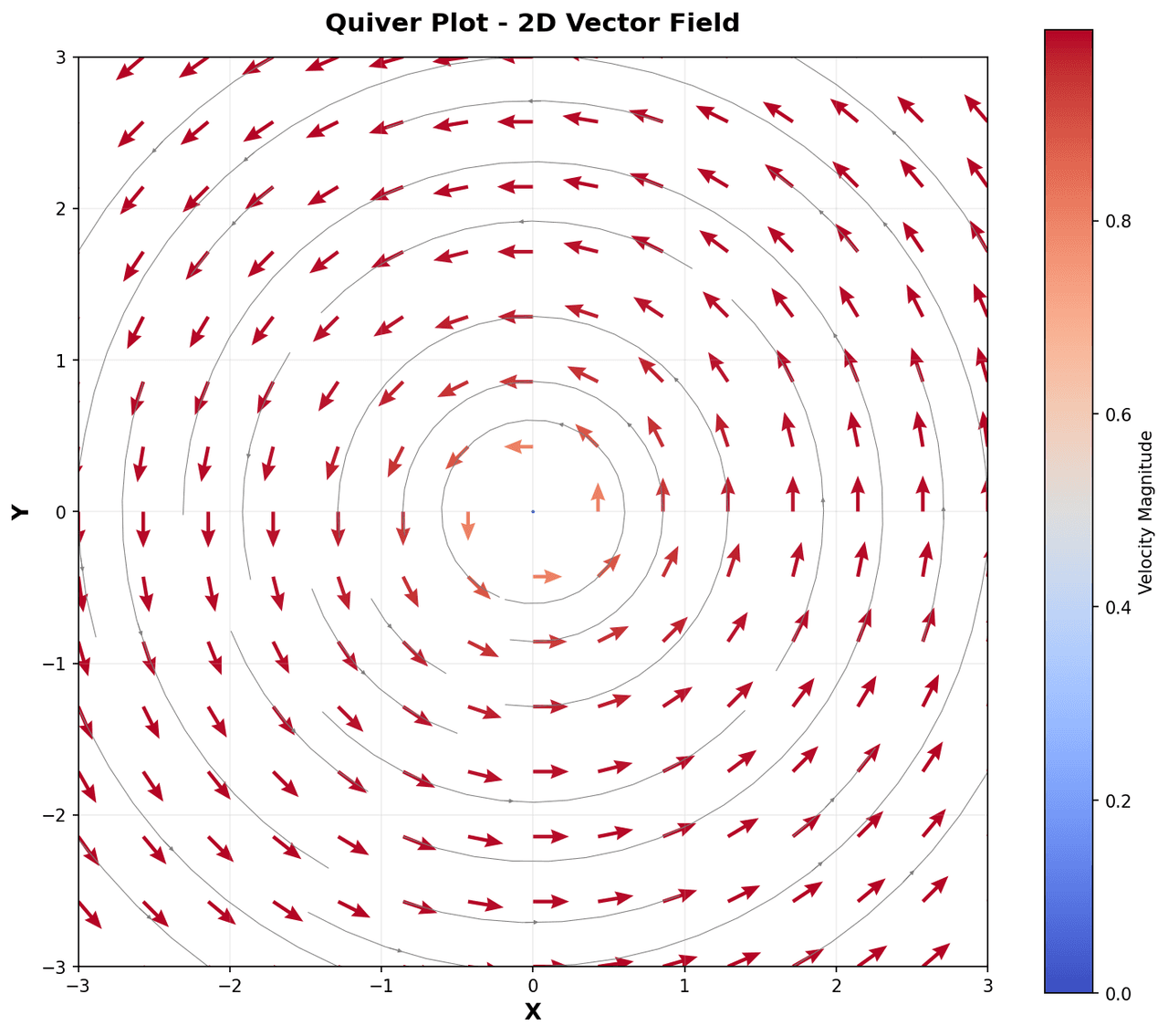
Displays a 2D vector field as an array of arrows whose direction and length represent the local vector at each grid point.
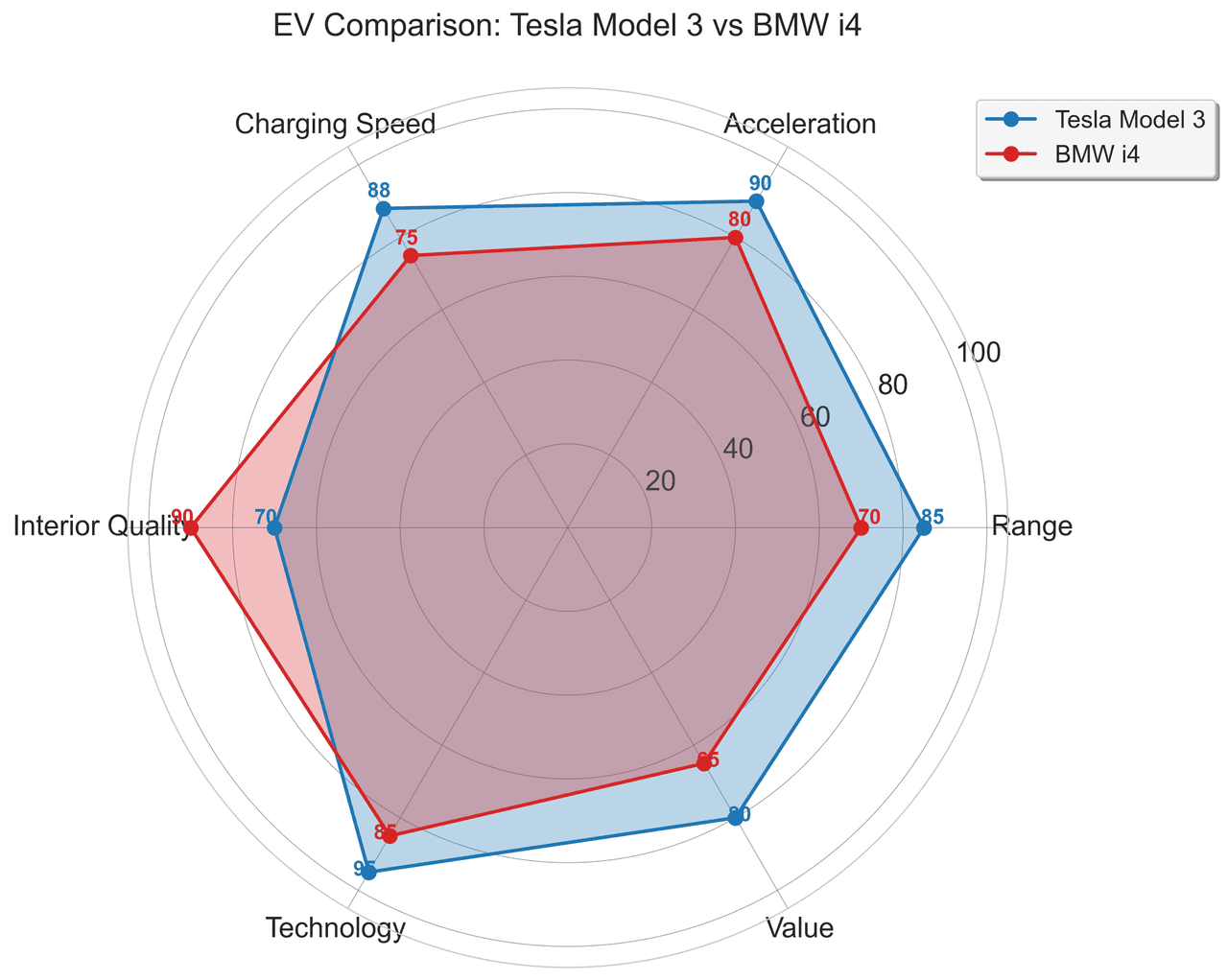
Create a radar chart in Python to compare multivariate profiles on radial axes, with consistent scales and clear labels for each metric.
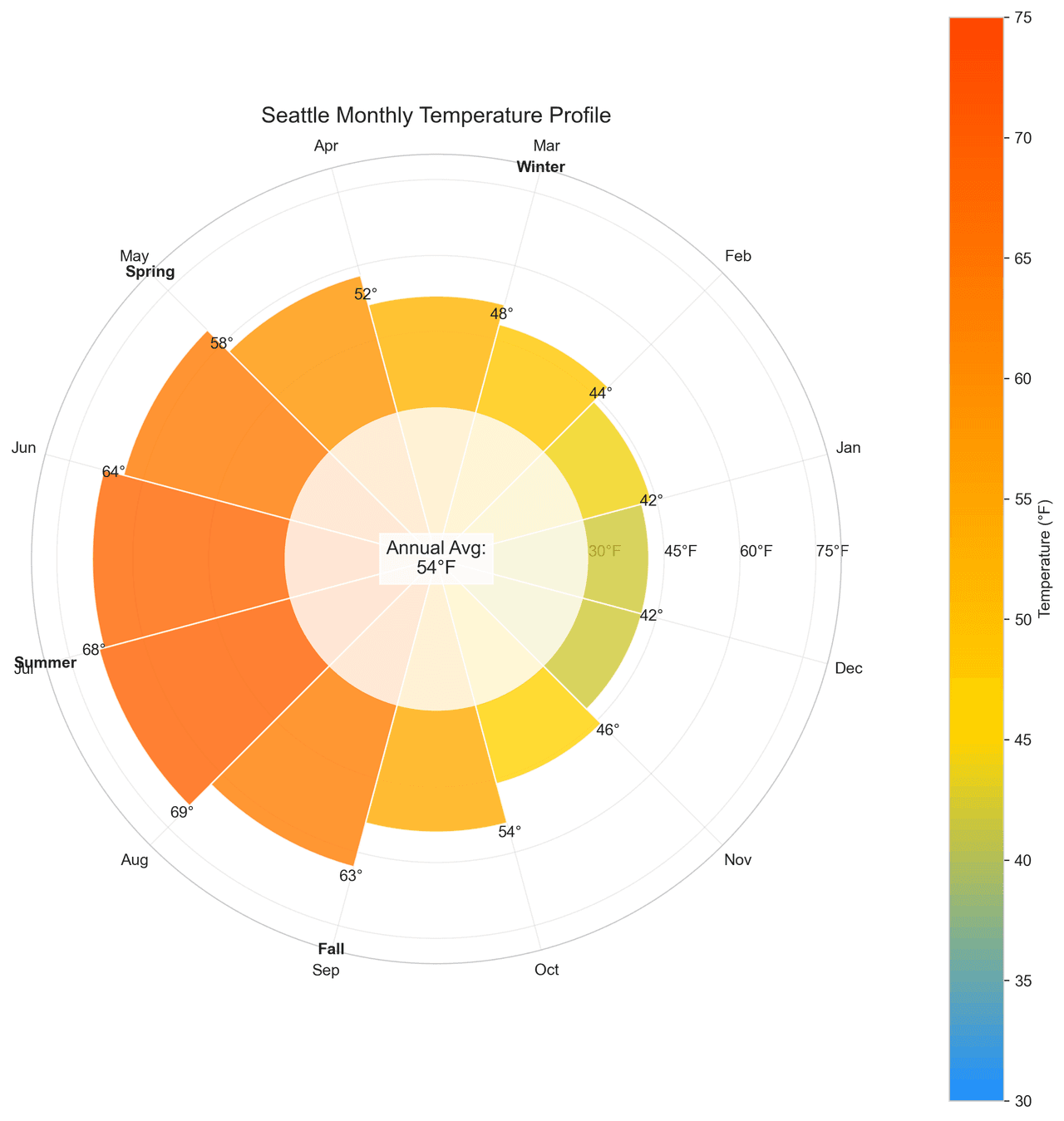
A bar chart plotted on a polar coordinate system with bars radiating from the center.
Similar to a radial bar chart but with columns extending from the center outward.
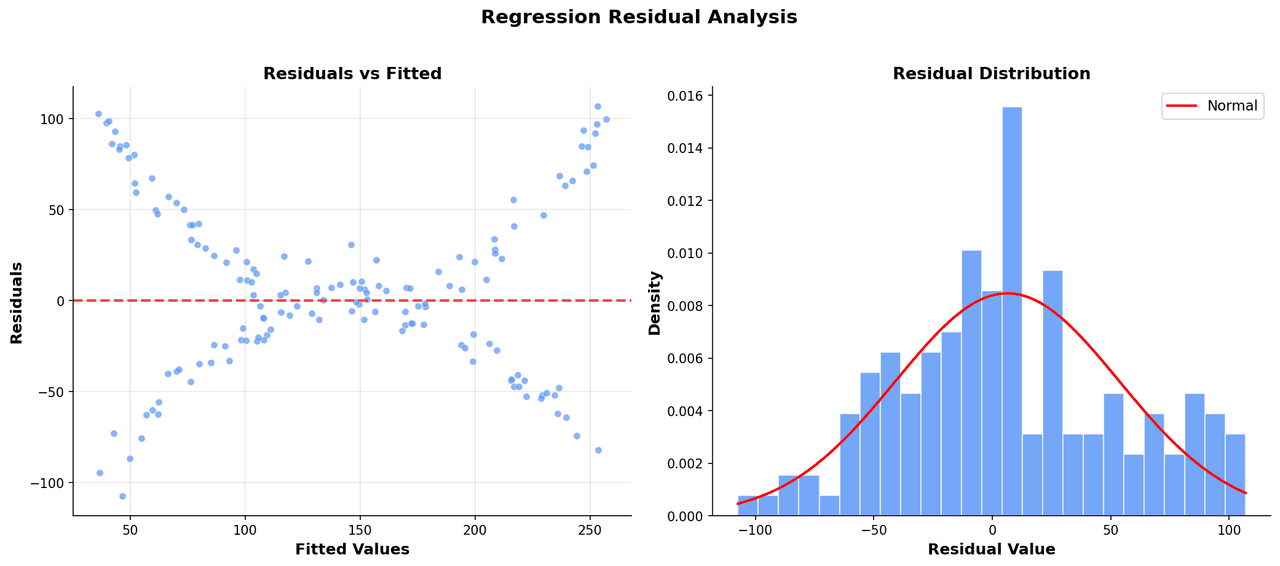
A regression residual plot compares residuals with fitted values to help inspect nonlinearity, unequal variance, and outlying observations.
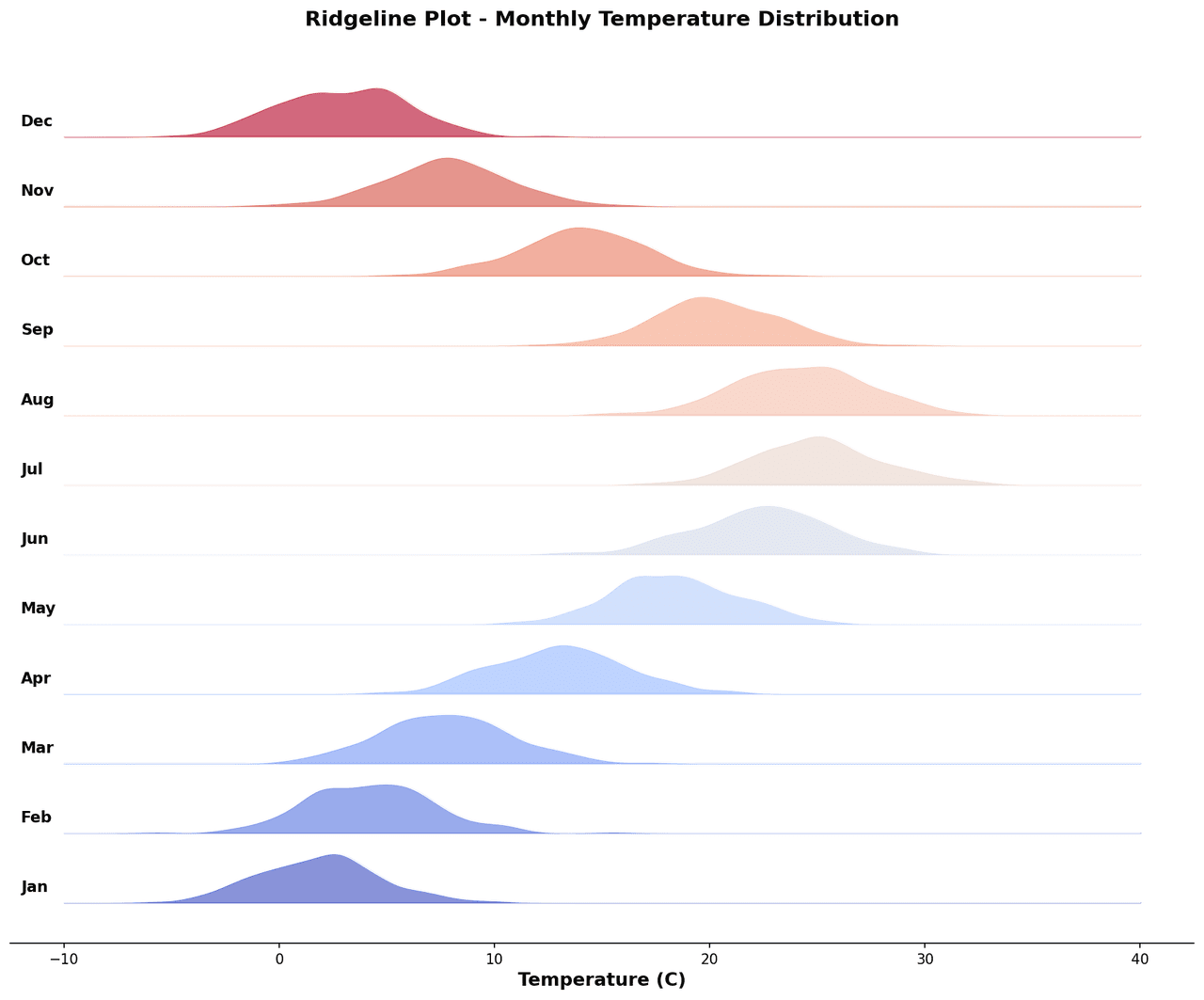
Stacked, partially overlapping kernel density curves for multiple groups, revealing distributional shifts and shape differences across many categories at once.
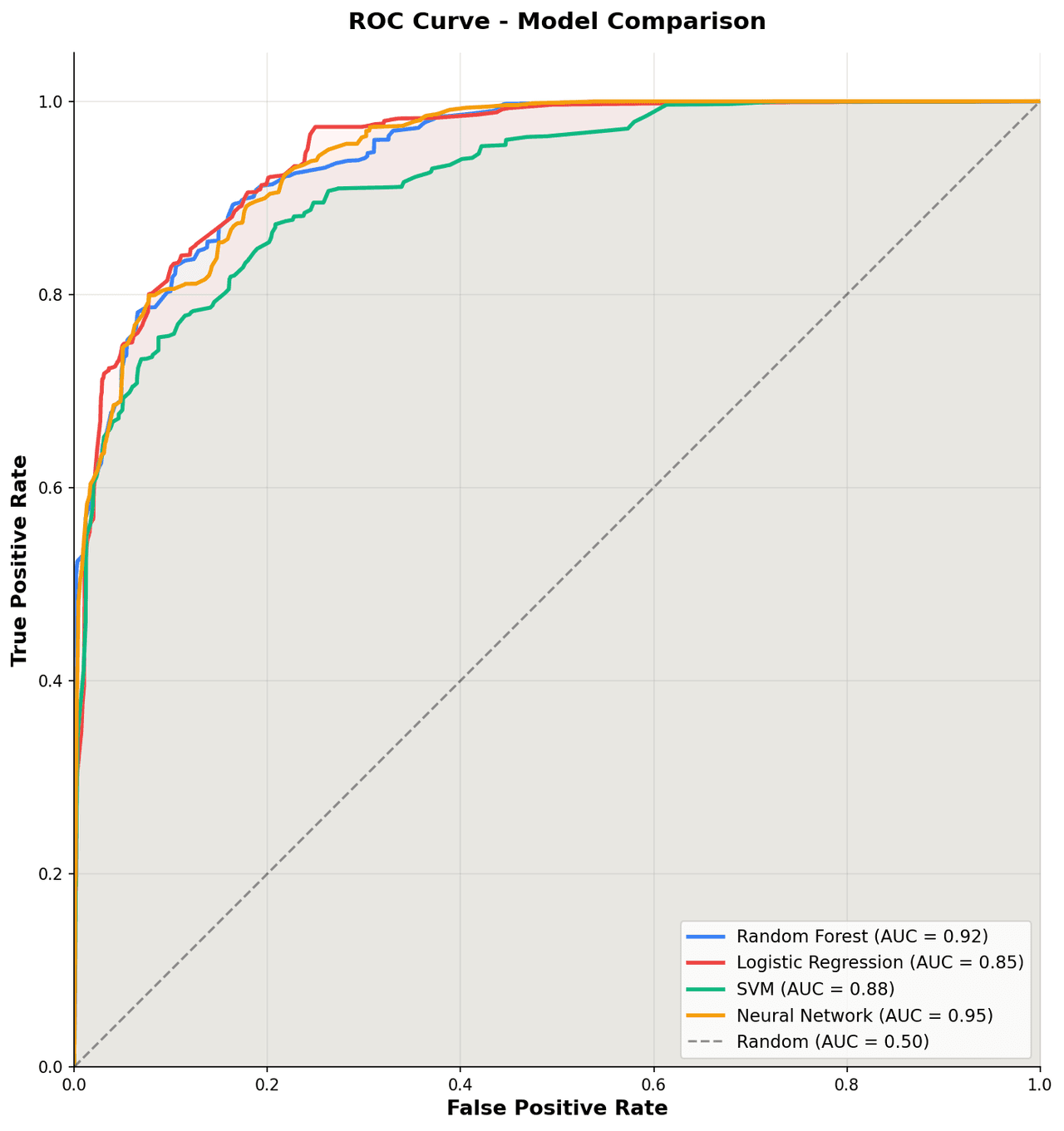
Plot true positive rate against false positive rate across all decision thresholds with AUC annotation for model and diagnostic test evaluation.
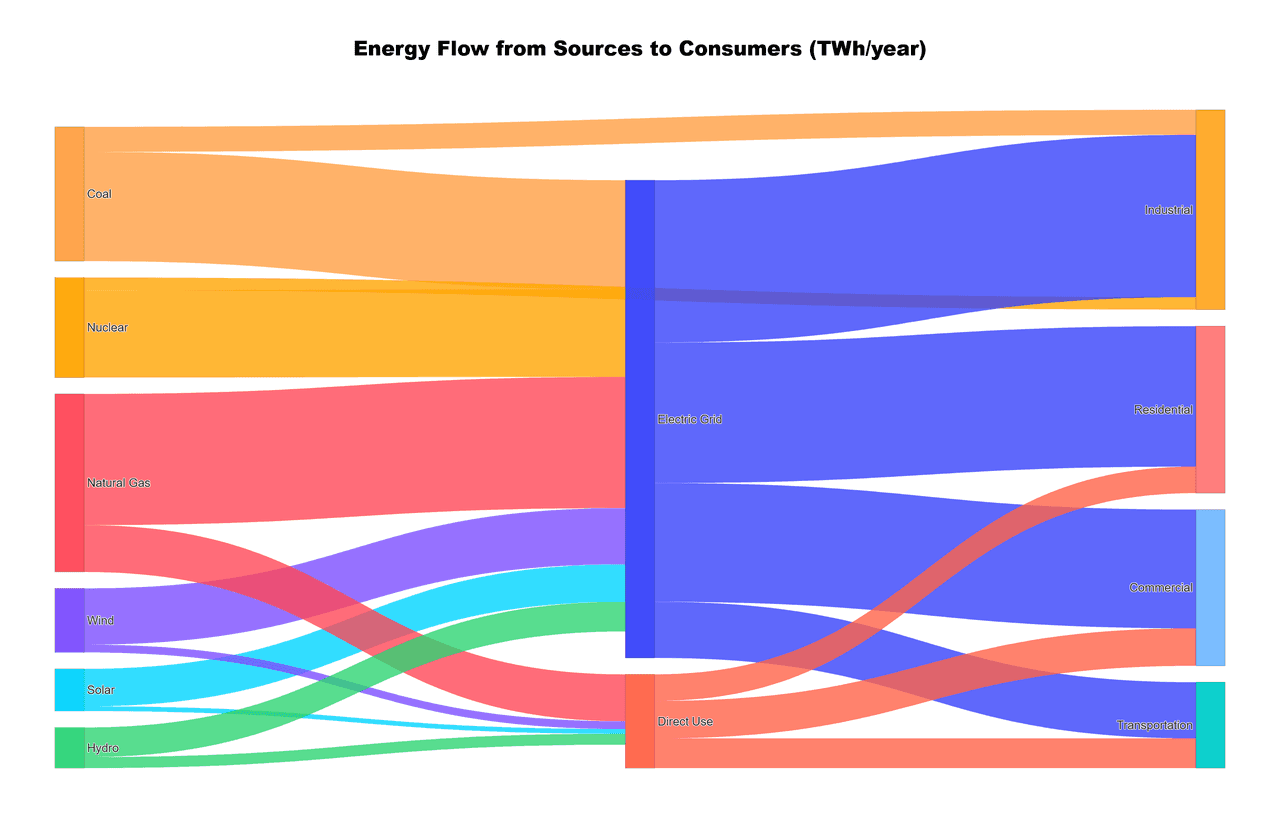
Flow diagram where arrow widths are proportional to flow quantities.
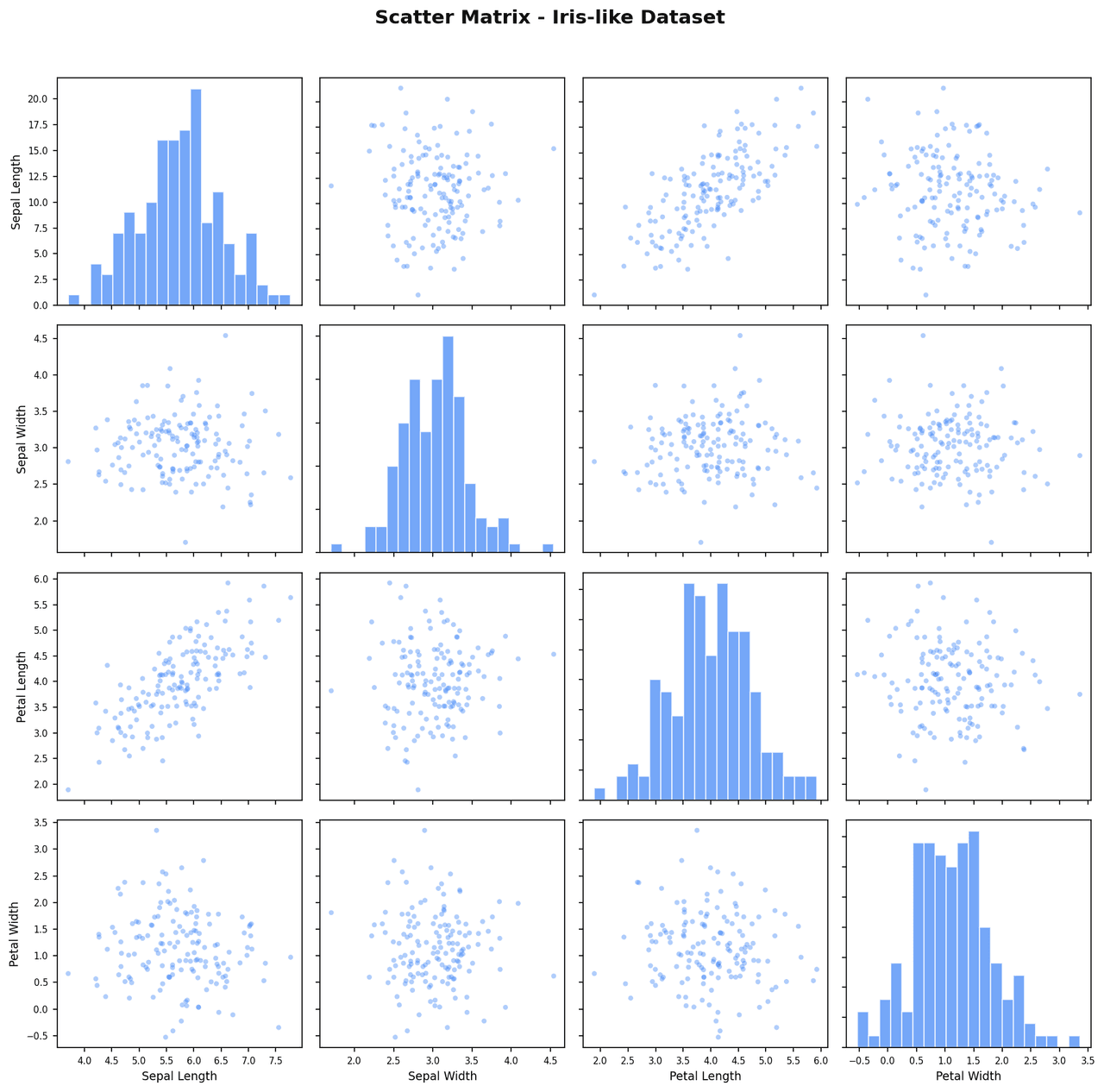
Create a scatter matrix in Python to compare every pair of numeric variables and inspect univariate distributions across a multivariate dataset.
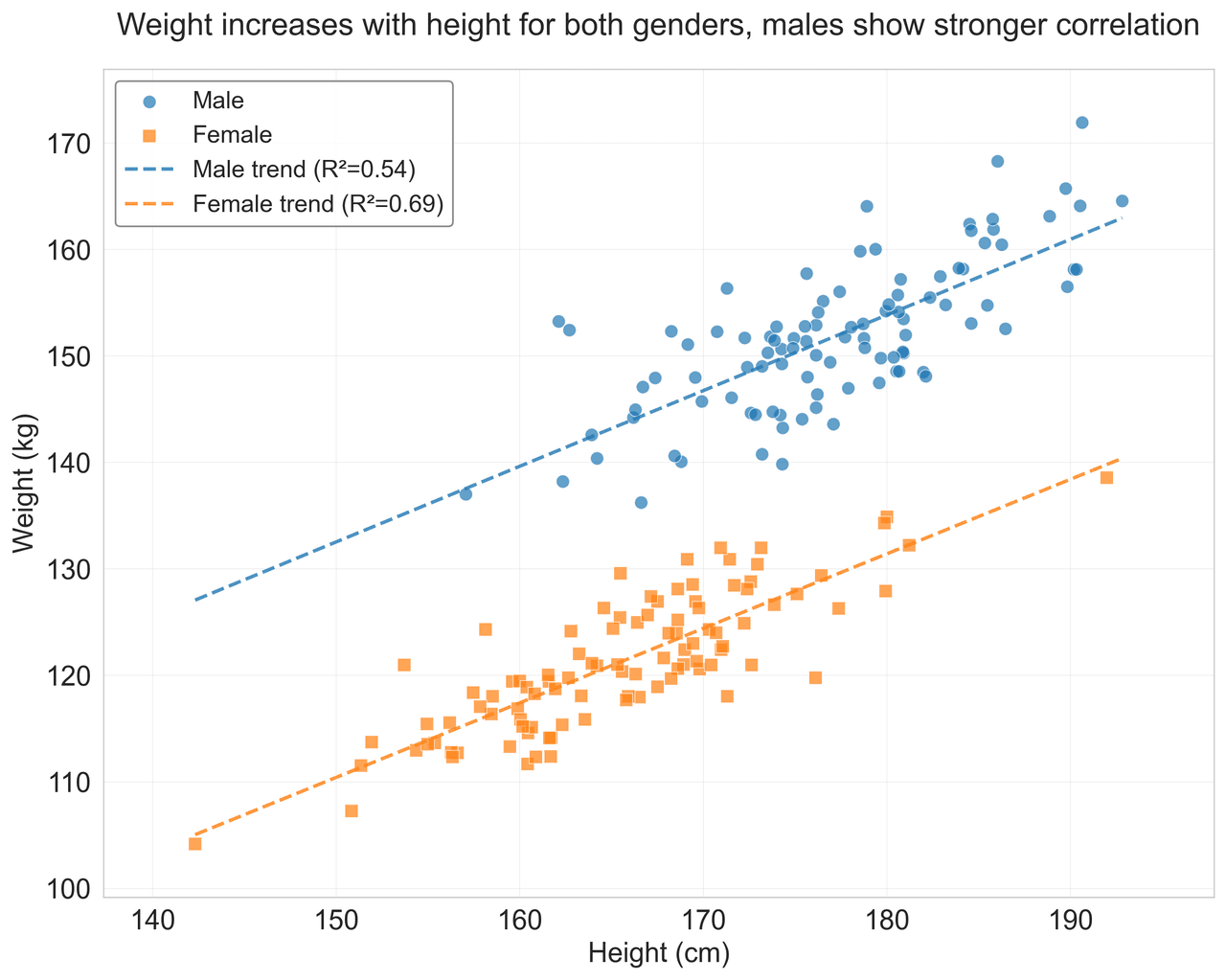
A scatter plot displays two quantitative variables as points, helping you examine relationships, clusters, outliers, and regression trends.
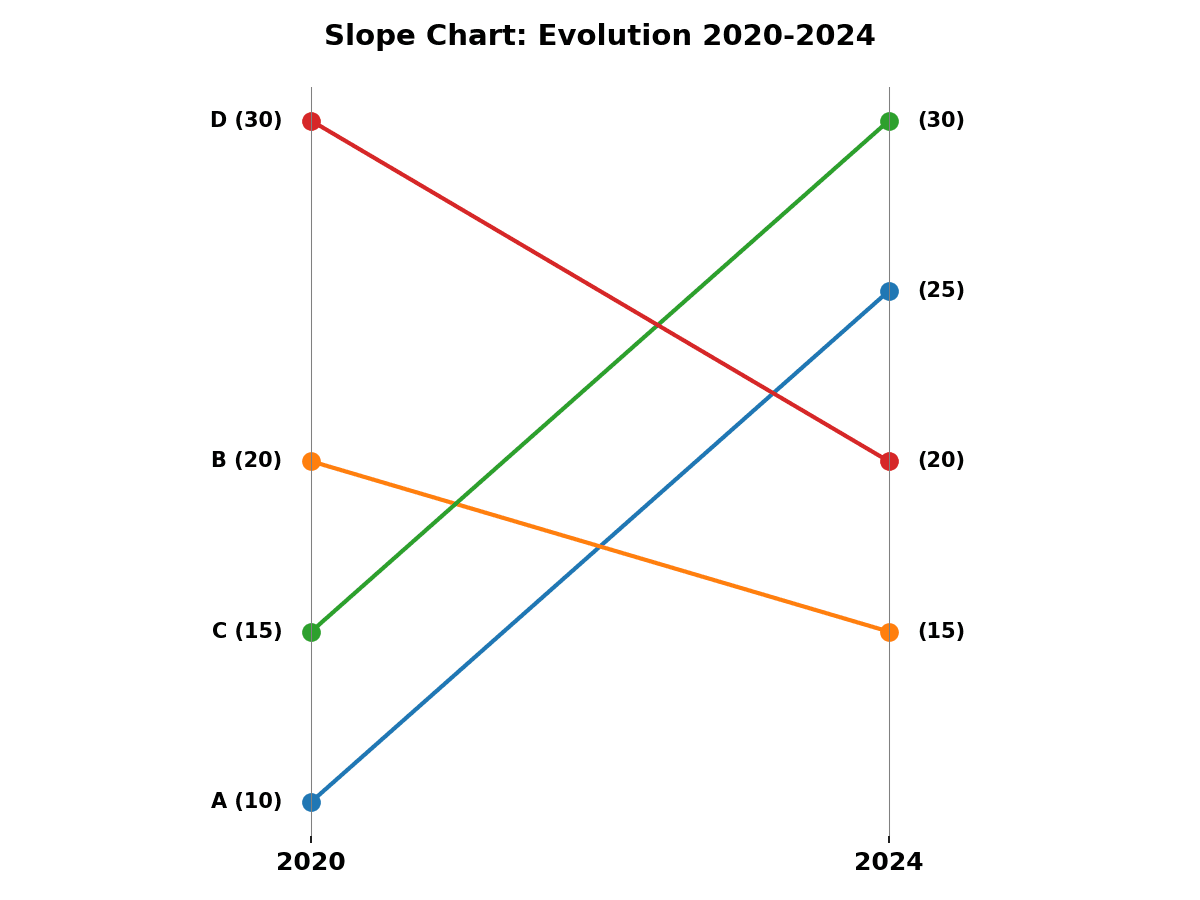
Create a slope chart in Python to compare paired values and emphasise the direction and magnitude of change between two time points or conditions.
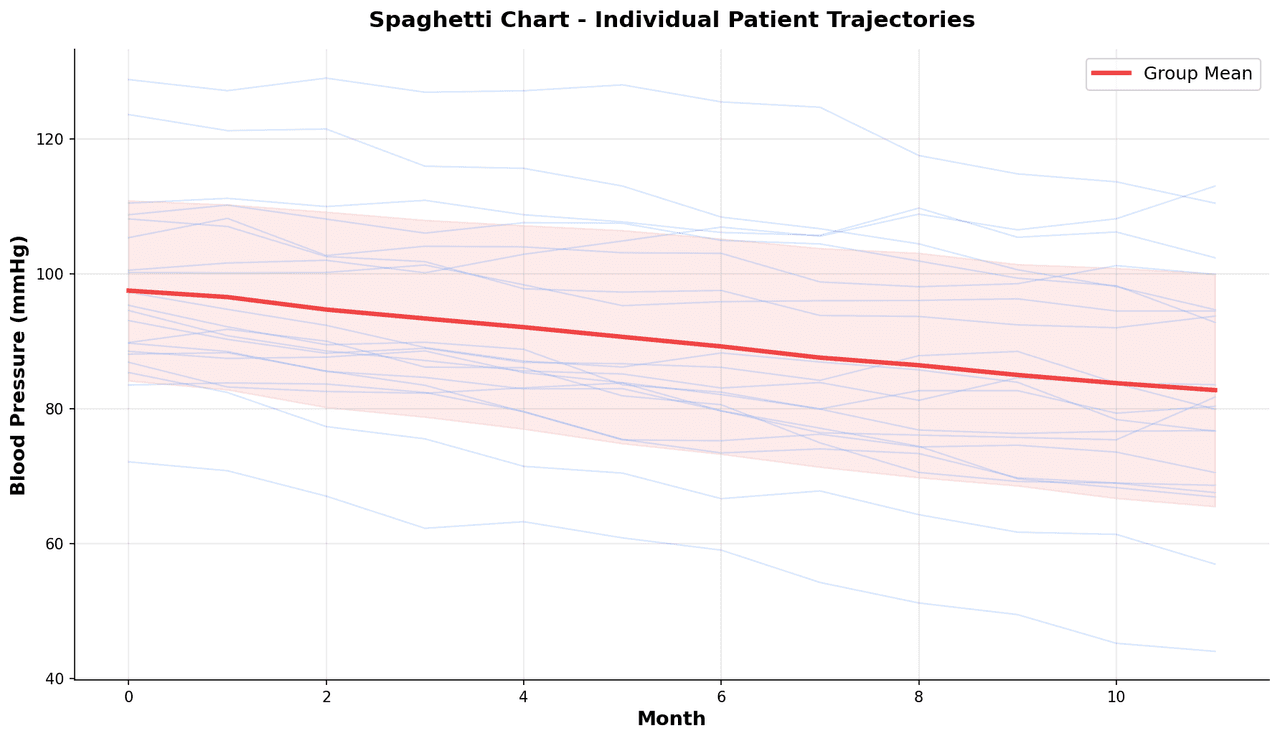
Multi-line plot where each line represents one individual's trajectory over time, displaying heterogeneity and overall trend in longitudinal data simultaneously.
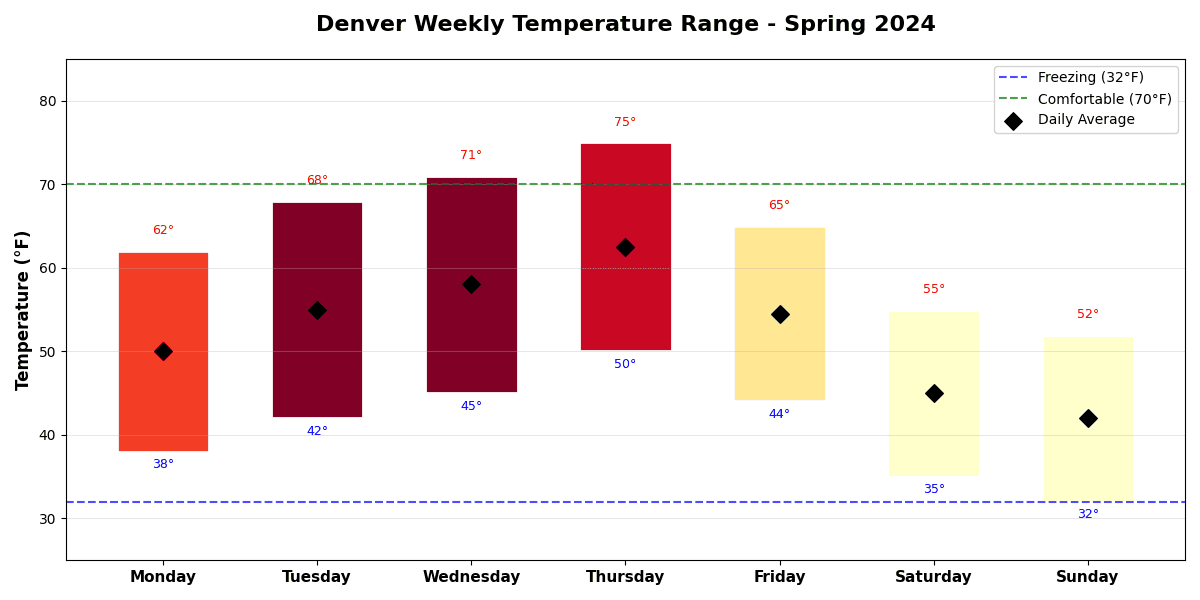
Displays the range between minimum and maximum values as floating bars.
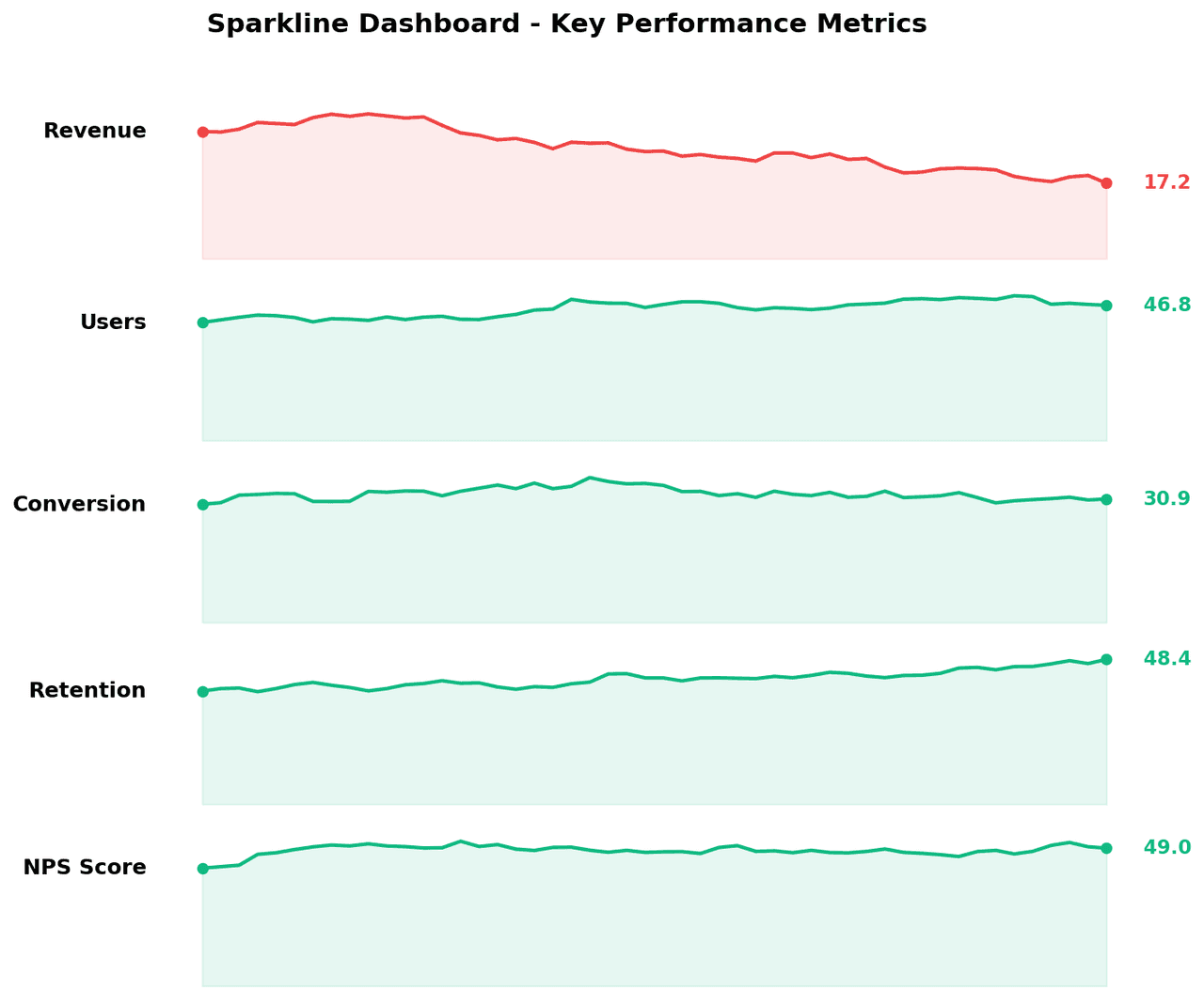
A word-sized miniature line chart designed to be embedded directly in tables or text for dense data communication.
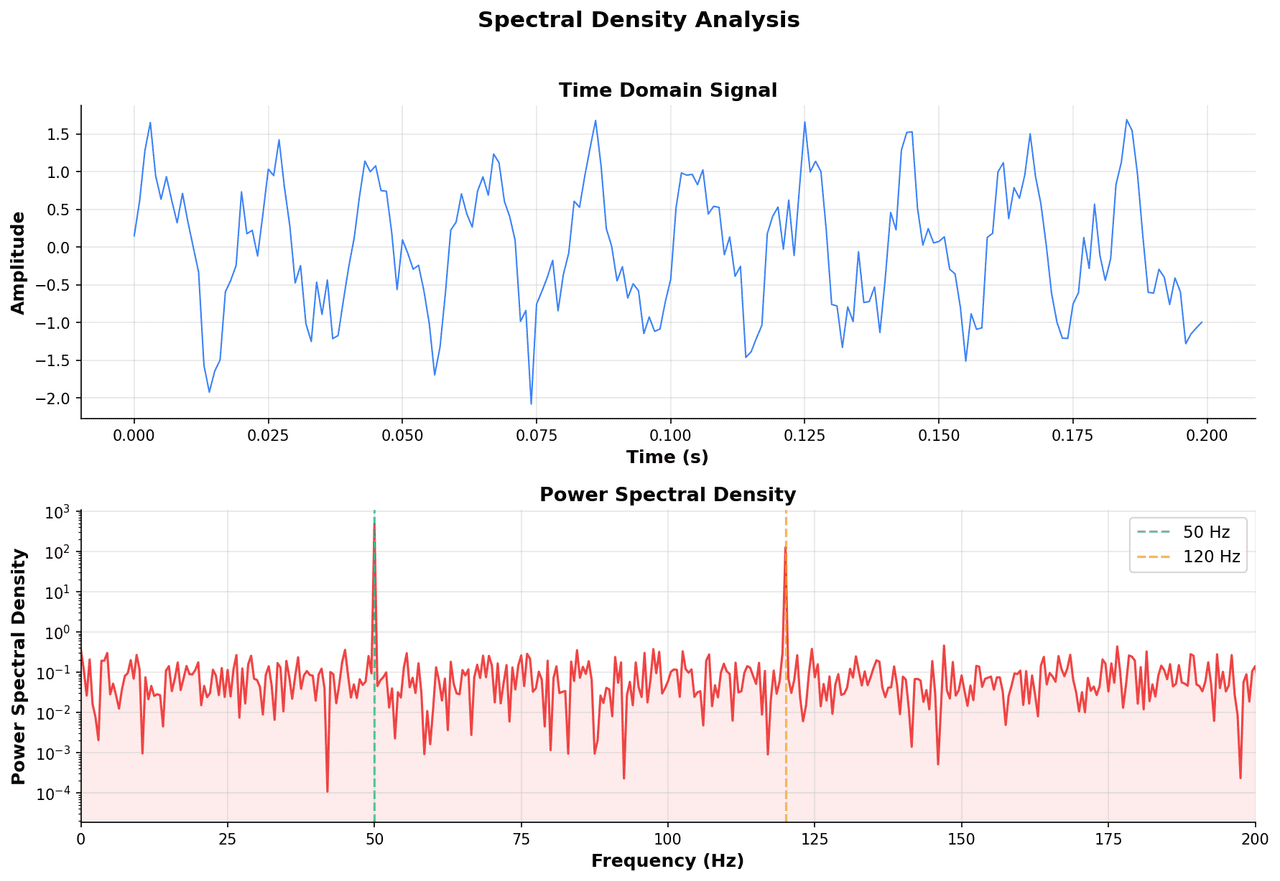
Create a power spectral density plot in Python with NumPy and Matplotlib to identify dominant frequencies and show how signal power is distributed across frequency.

Plots time-series data along a spiral to highlight periodic patterns.
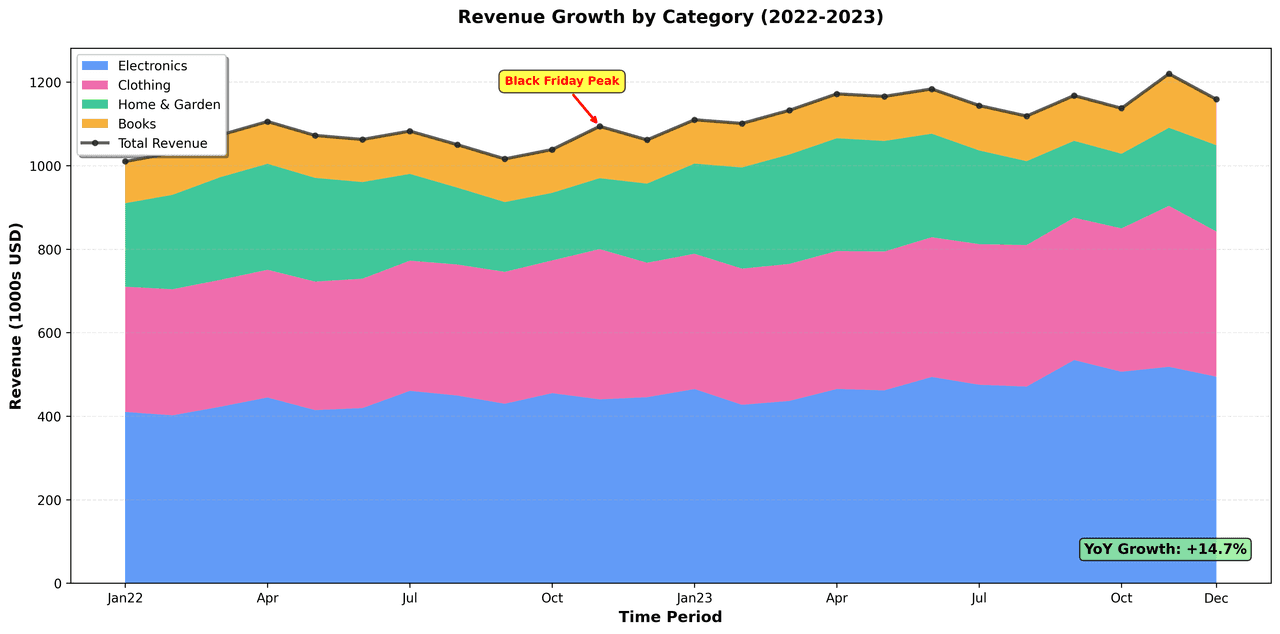
An area chart where multiple series are stacked on top of one another.
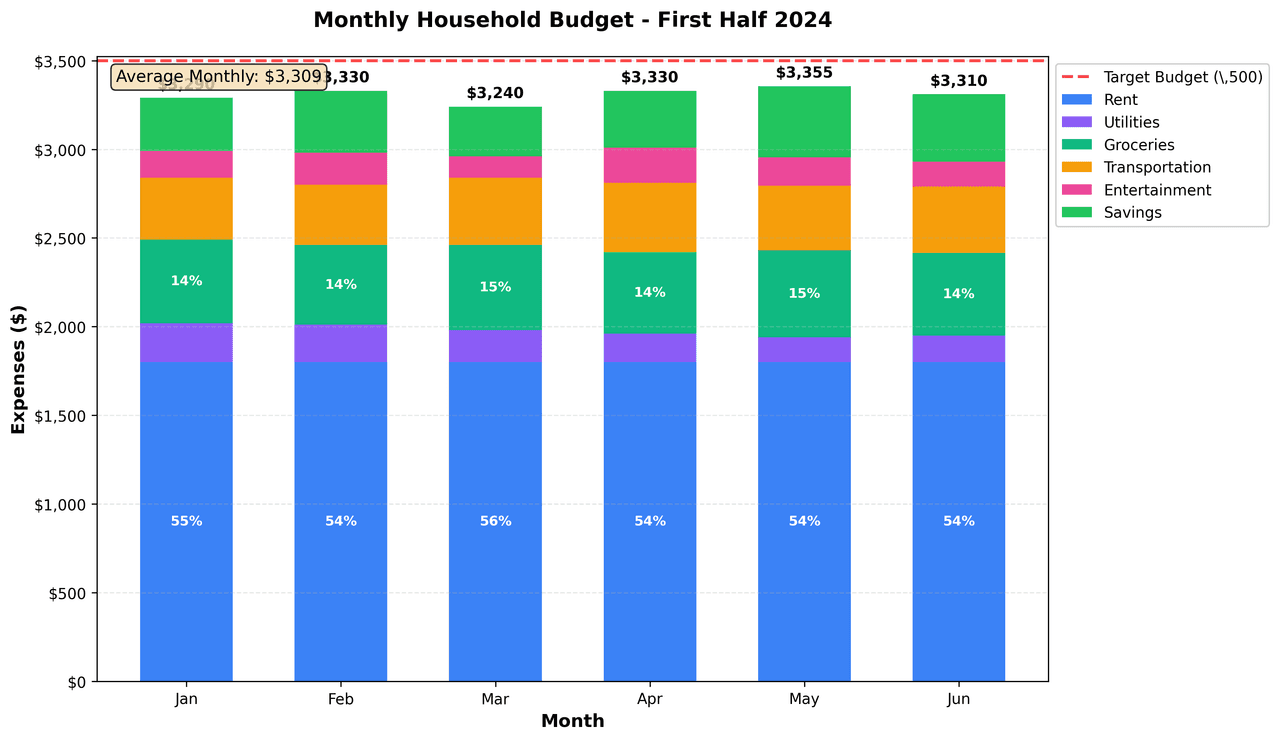
A bar chart where parts of the total are stacked on top of each other.
.png&w=1280&q=70)
A text-based display showing data distribution while preserving individual values.
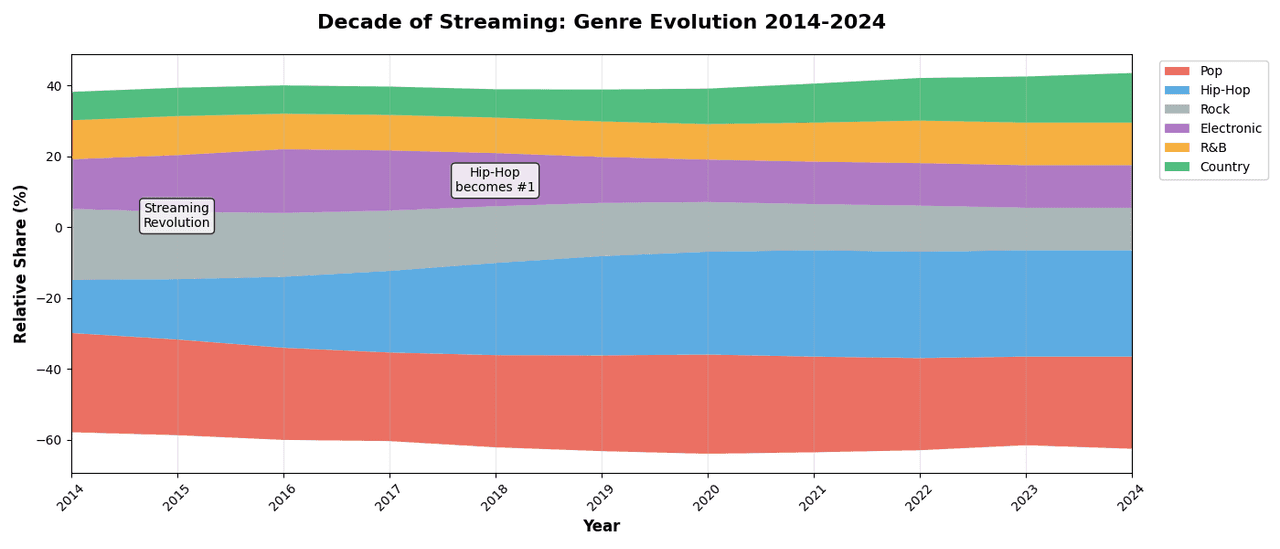
A stacked area graph displaced around a central axis for an organic, flowing shape.
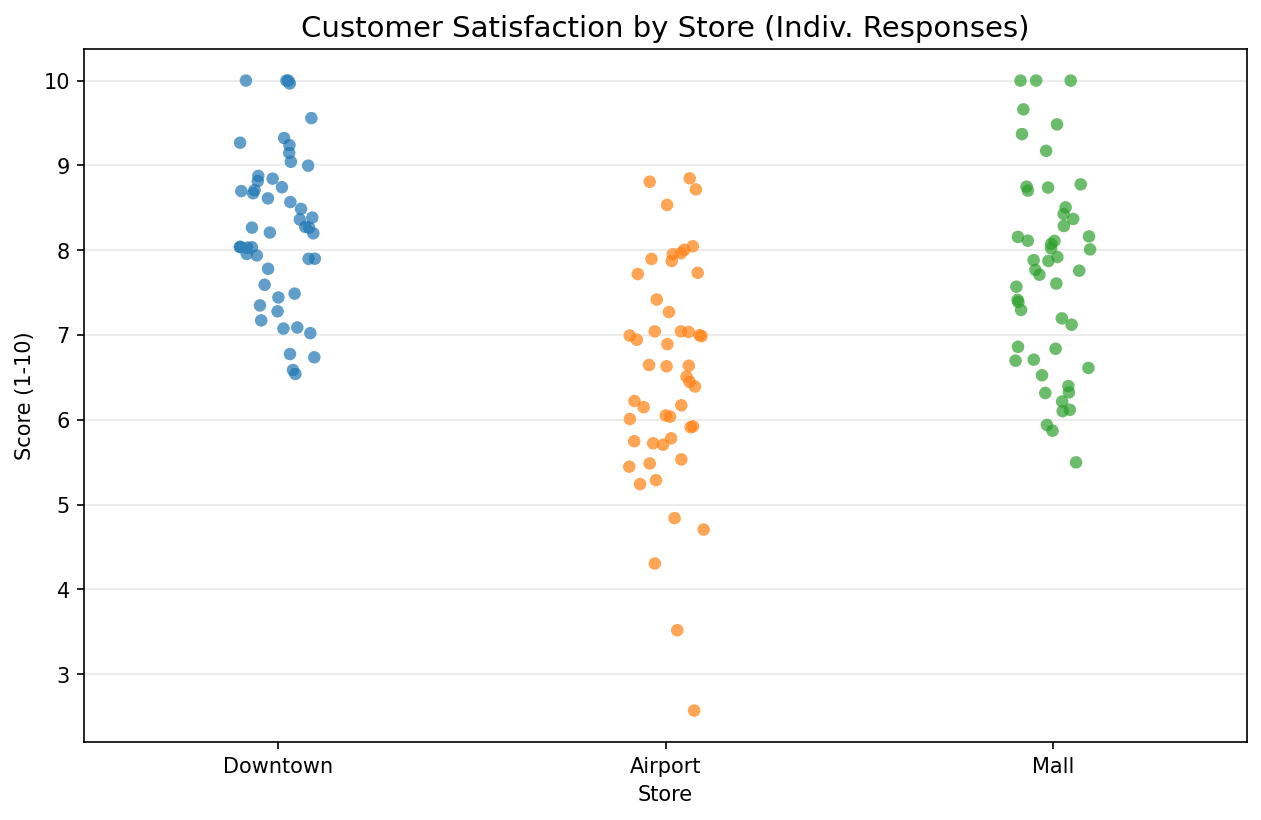
Create a strip plot in Python to show individual observations across categories, reduce overlap with jitter, and reveal distribution patterns.
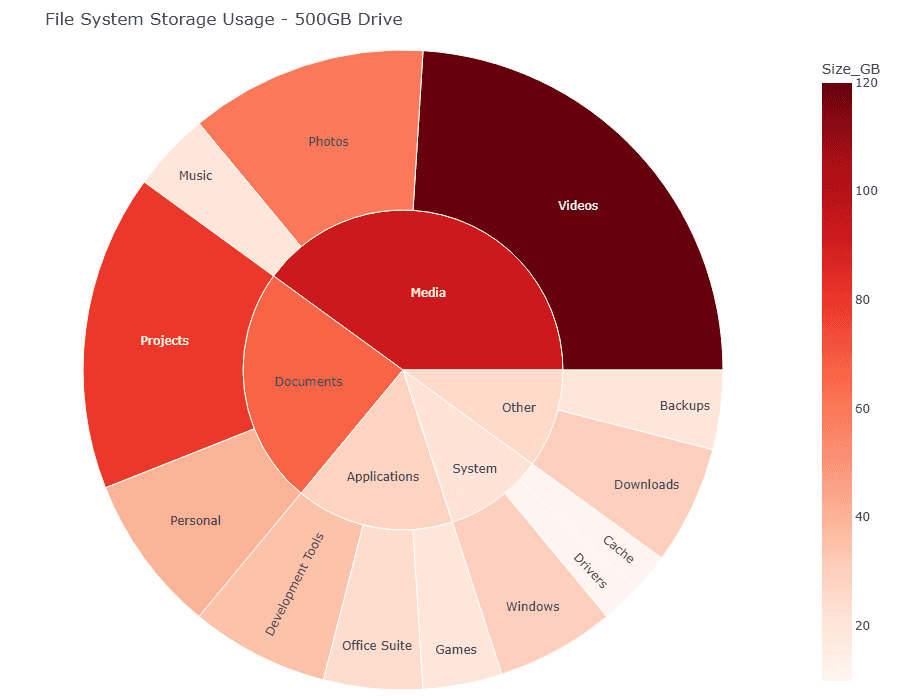
Displays hierarchical data in concentric rings radiating from a center.
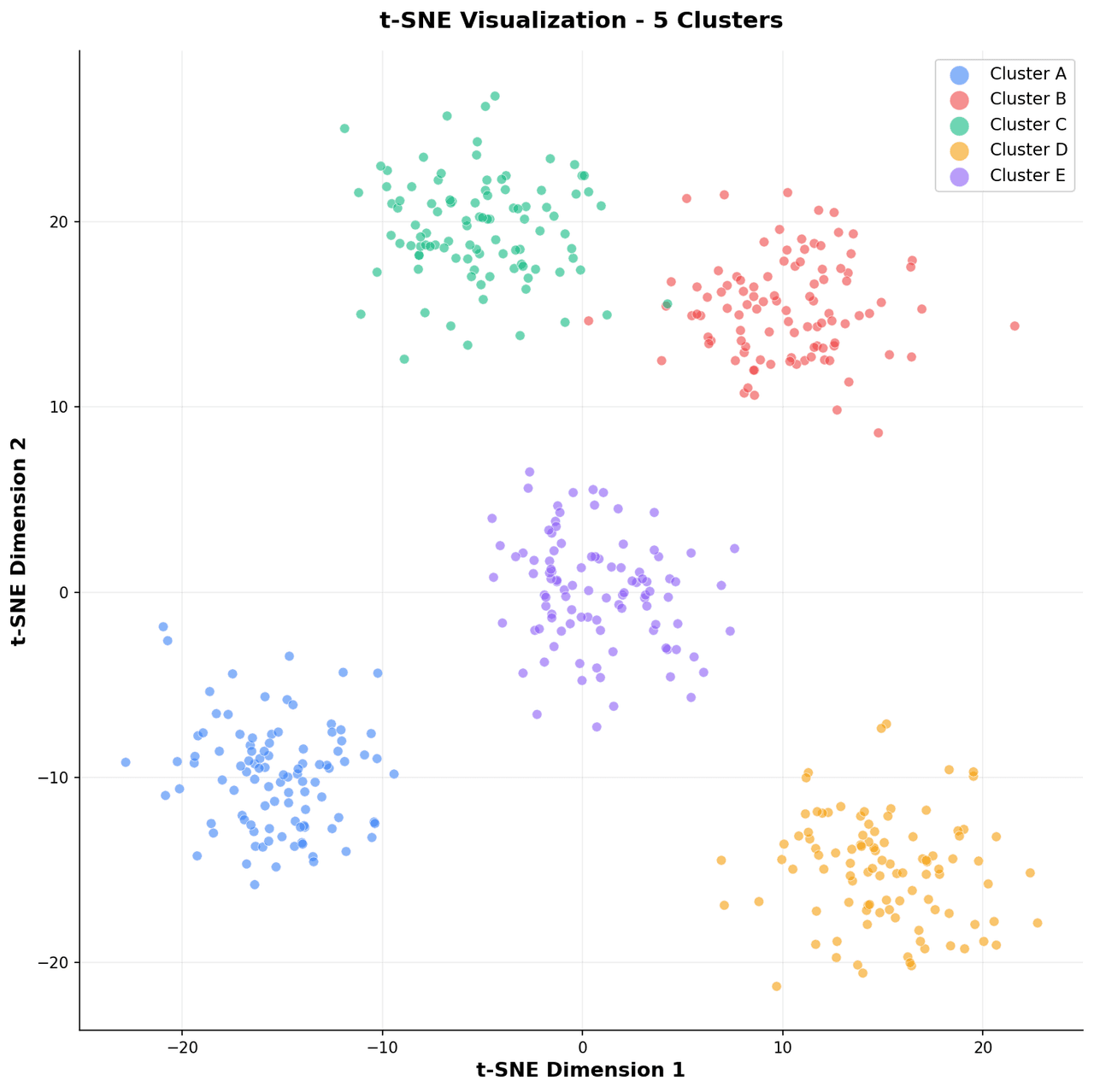
A 2D scatter plot of high-dimensional data projected via t-SNE, colored by class or cluster label.
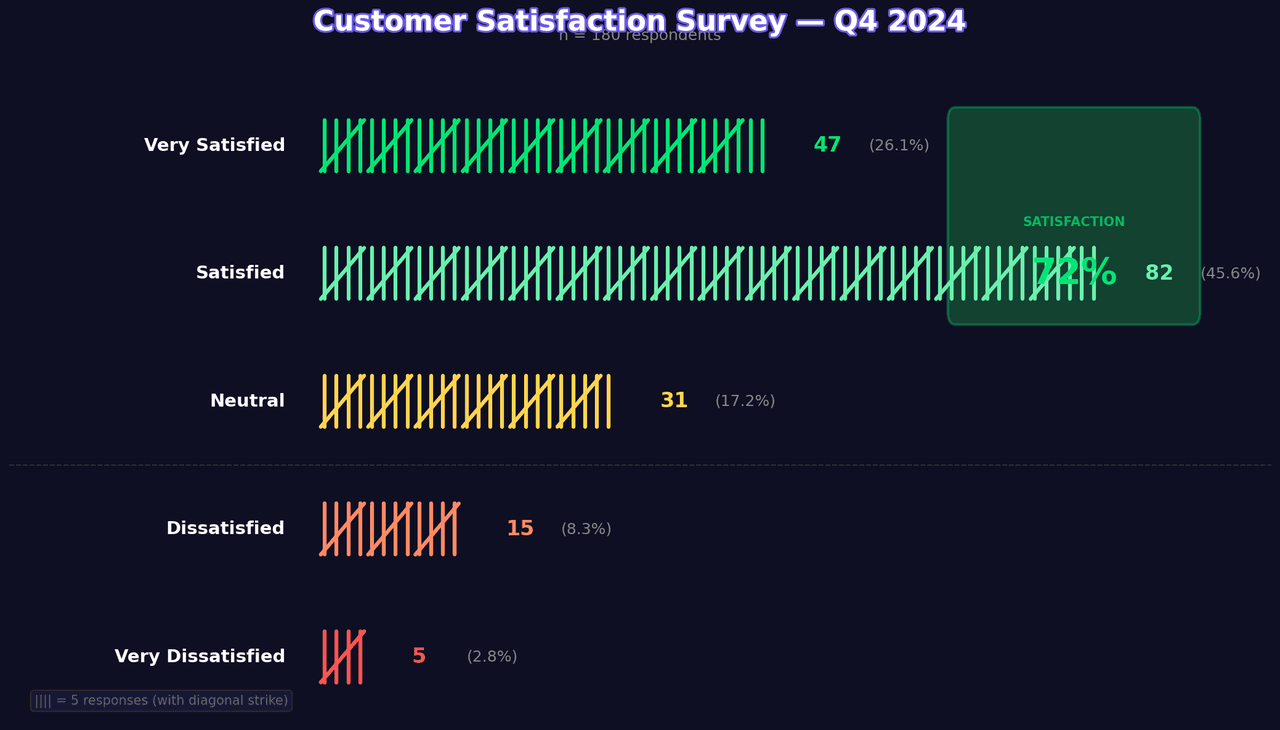
A simple table used to count and display the frequency of occurrences.
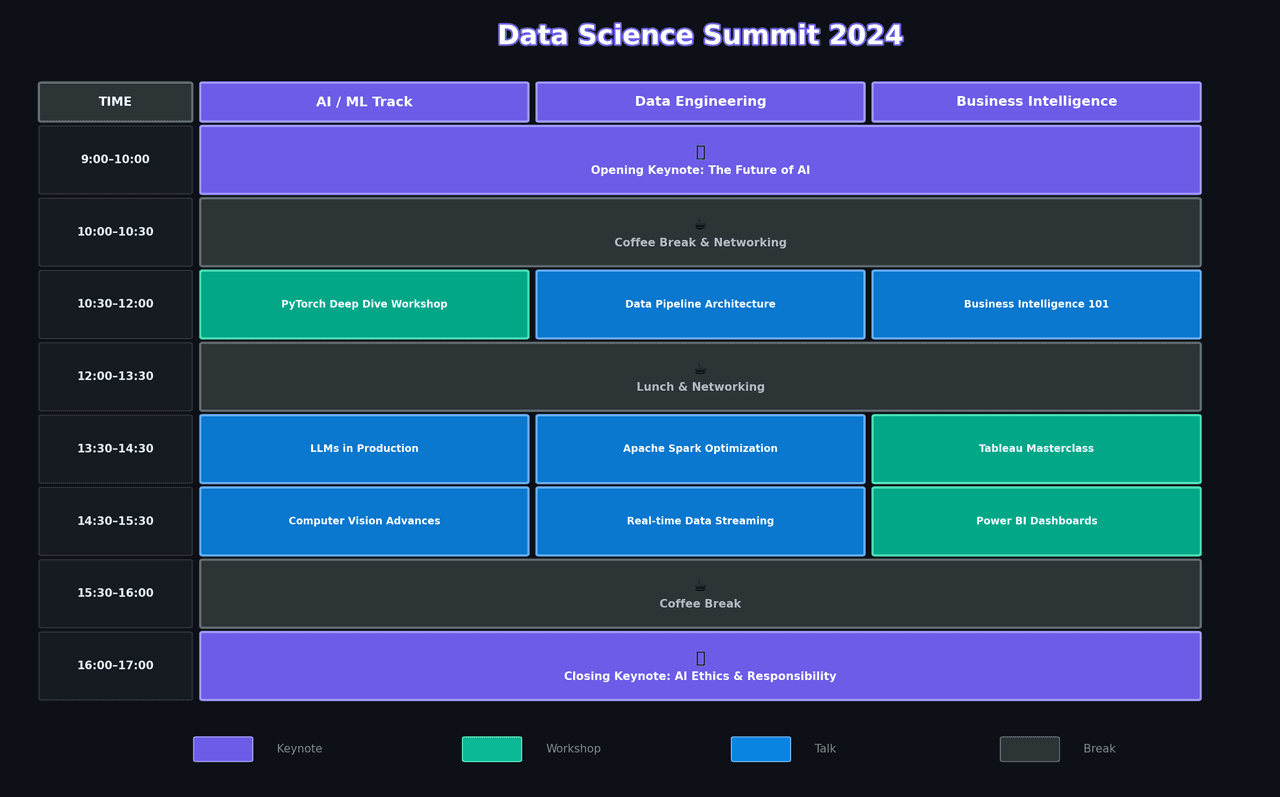
A formatted table showing a schedule of events with times and details.
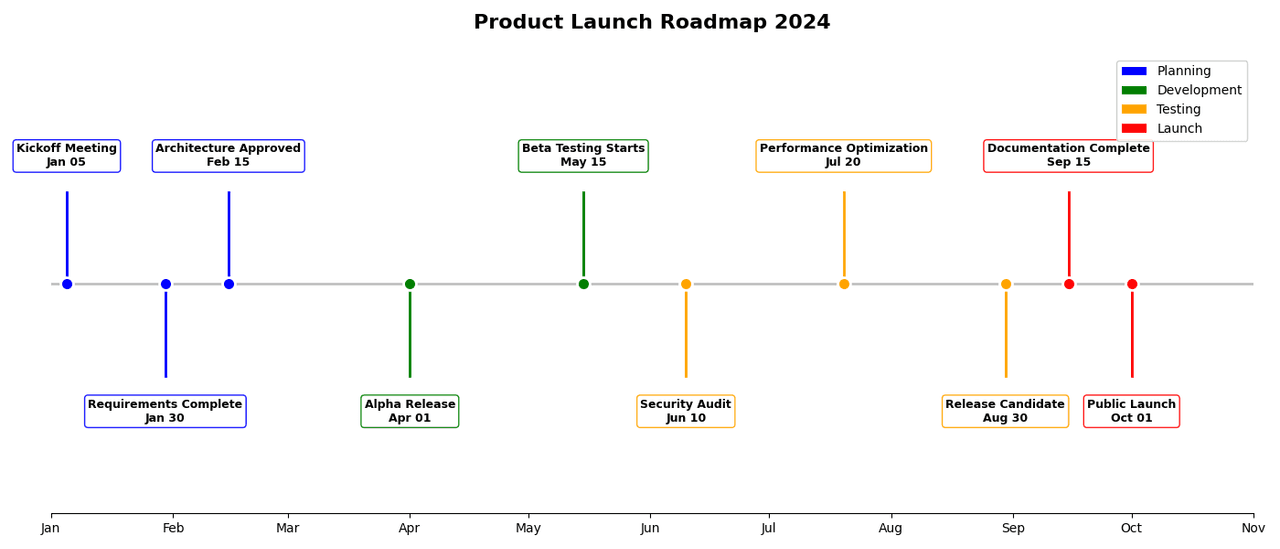
A display of events in chronological order along a time axis.
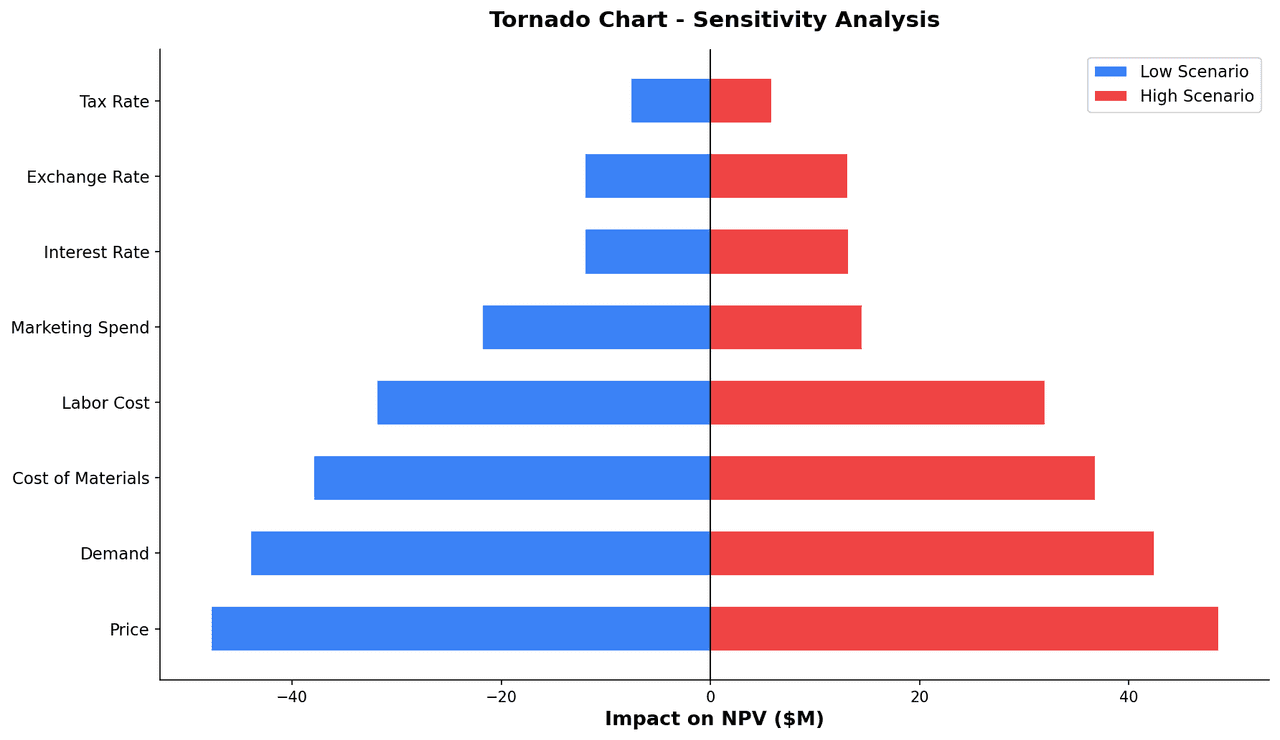
Rank input parameters by their one-way impact on a model output as horizontal diverging bars sorted by magnitude.
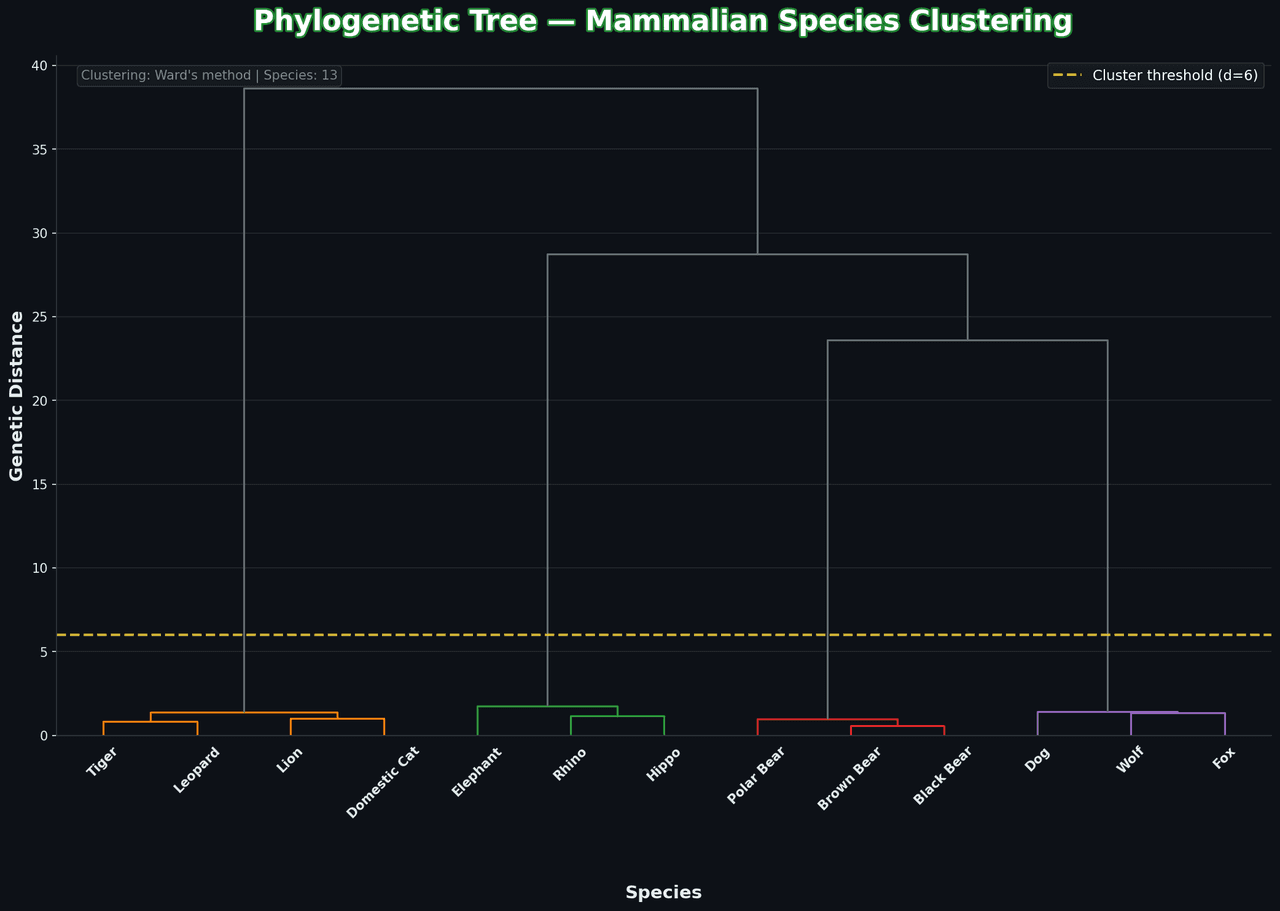
Represents hierarchical structures in a branching tree format.
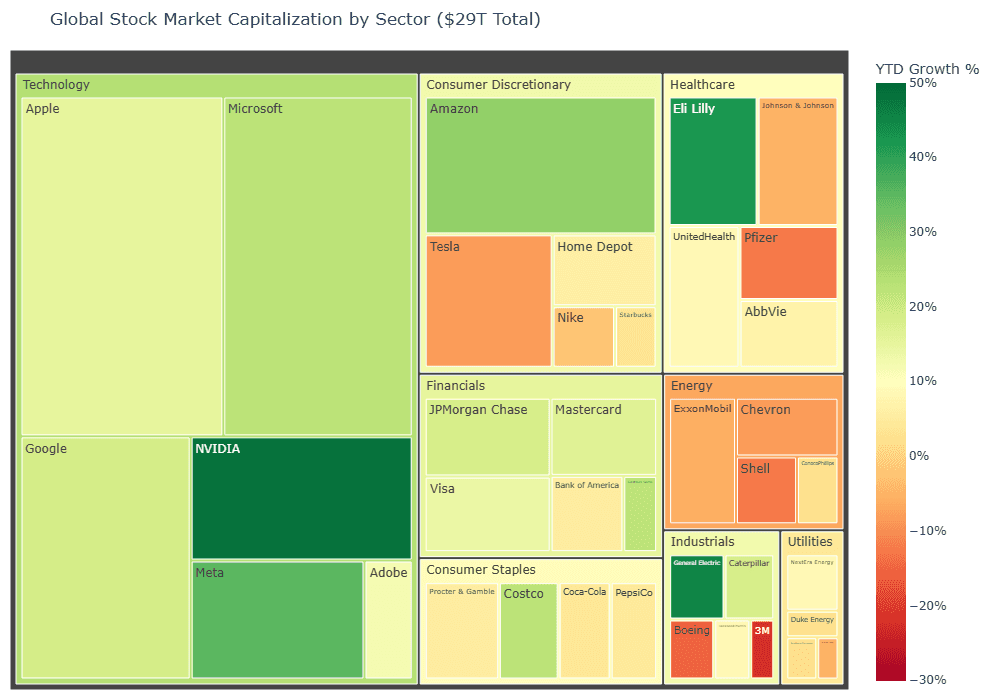
Displays hierarchical data as nested rectangles sized by value.
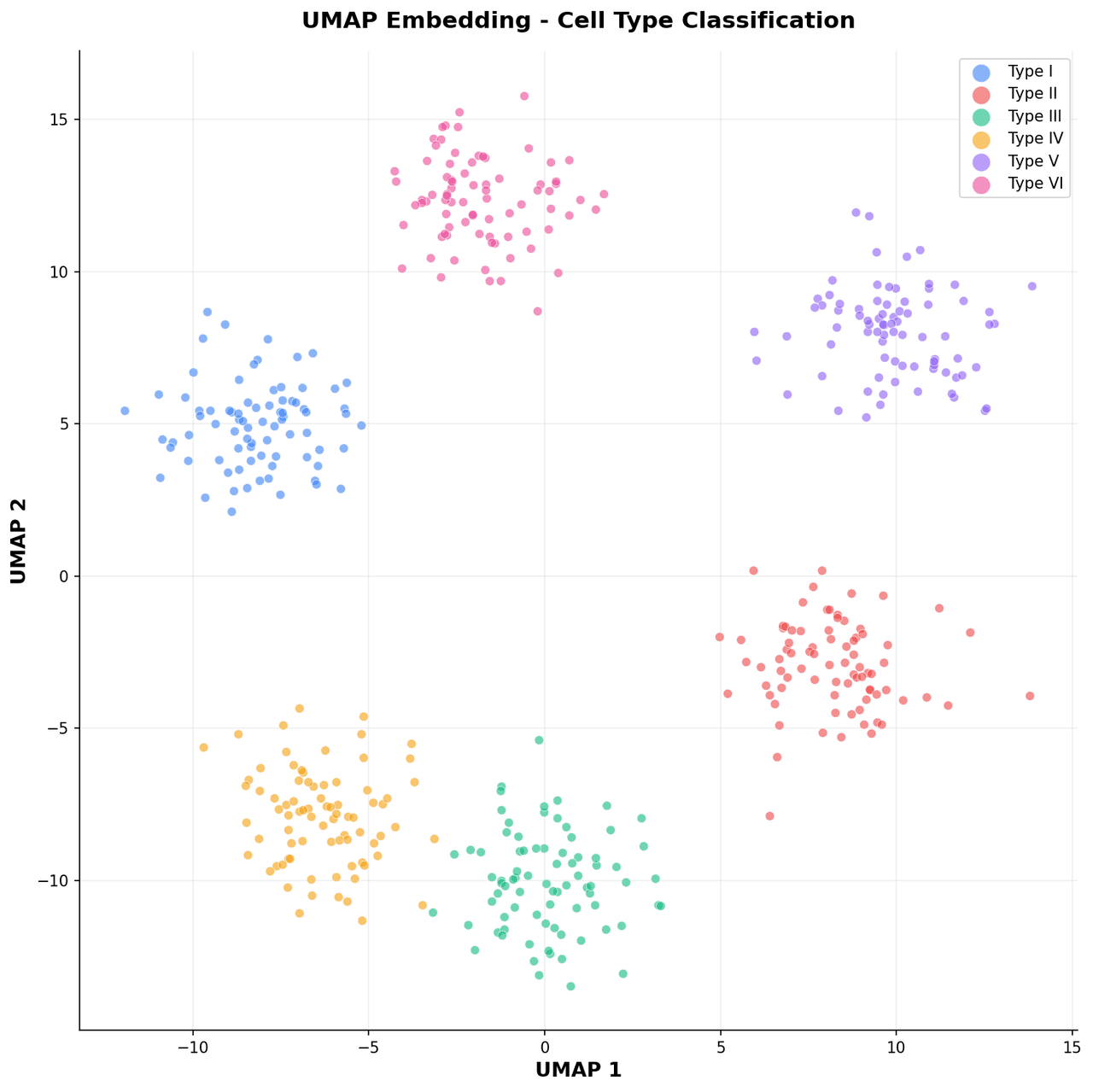
A 2D scatter plot of UMAP-reduced embeddings that preserves both local and global data structure.
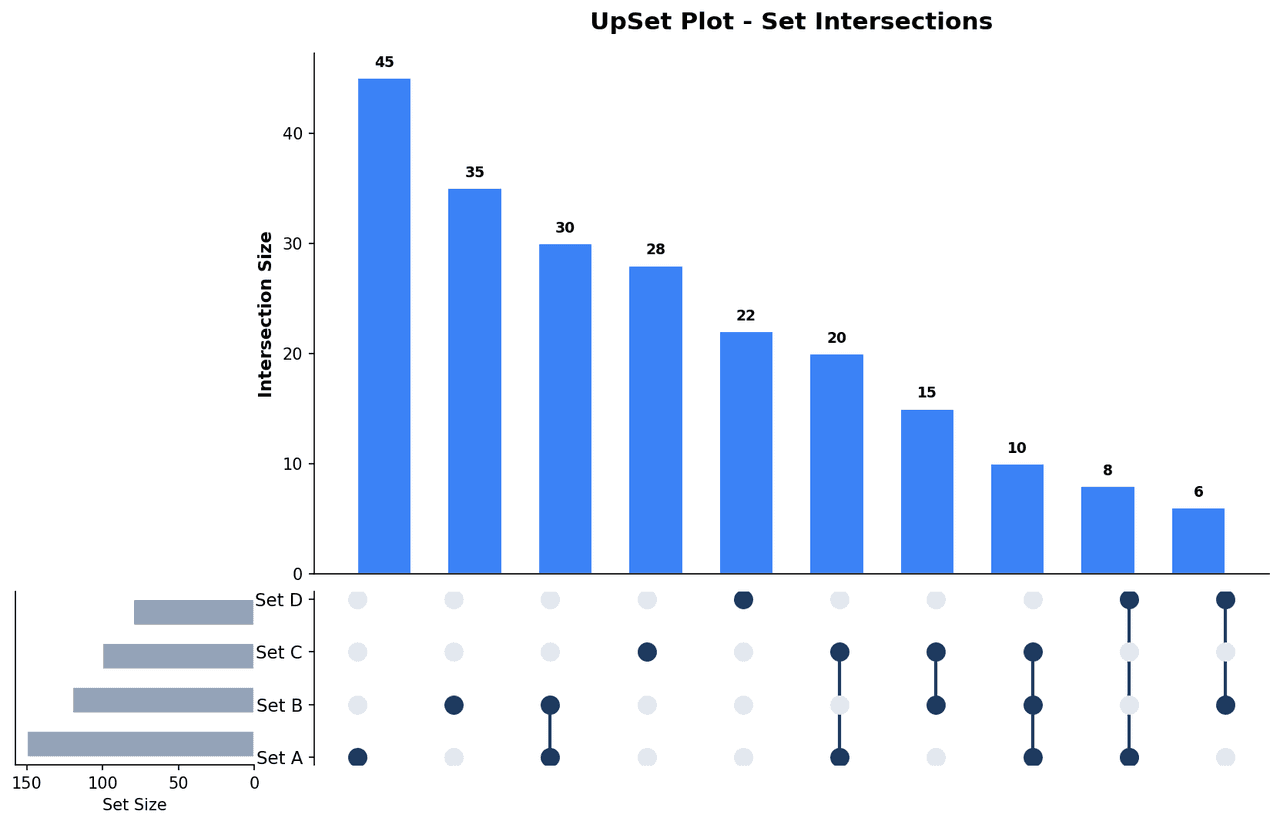
Visualize intersections among multiple sets using a matrix of dots and bar charts, replacing Venn diagrams for four or more sets.
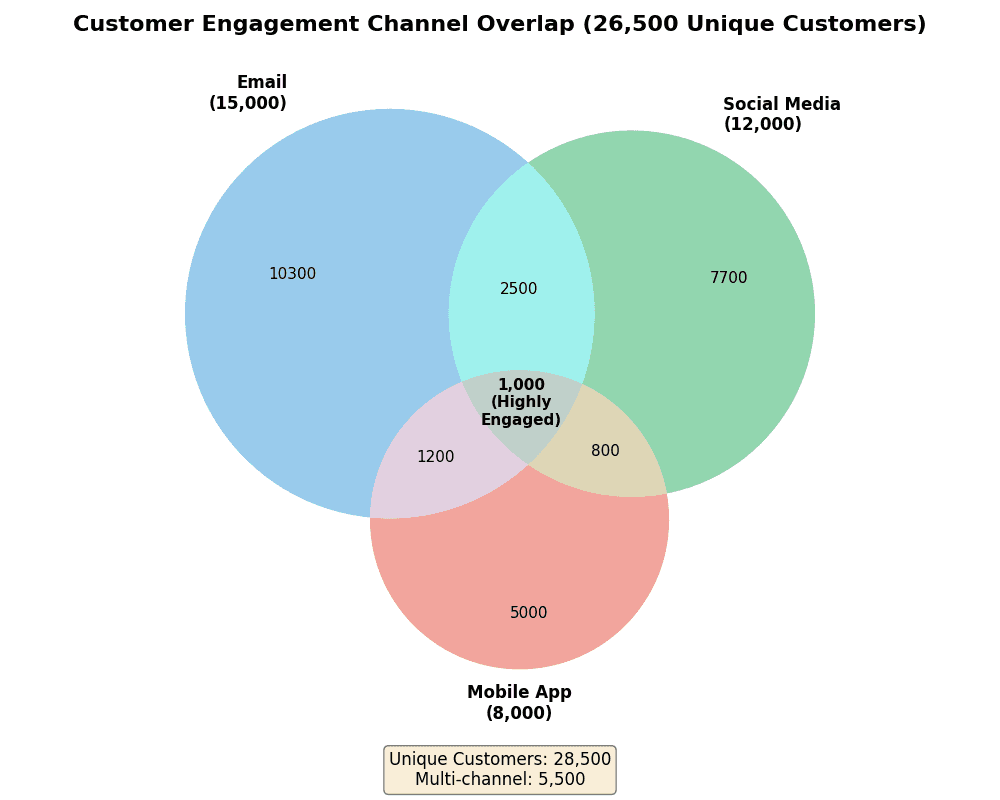
Uses circles to show relationships and overlaps between sets of data.
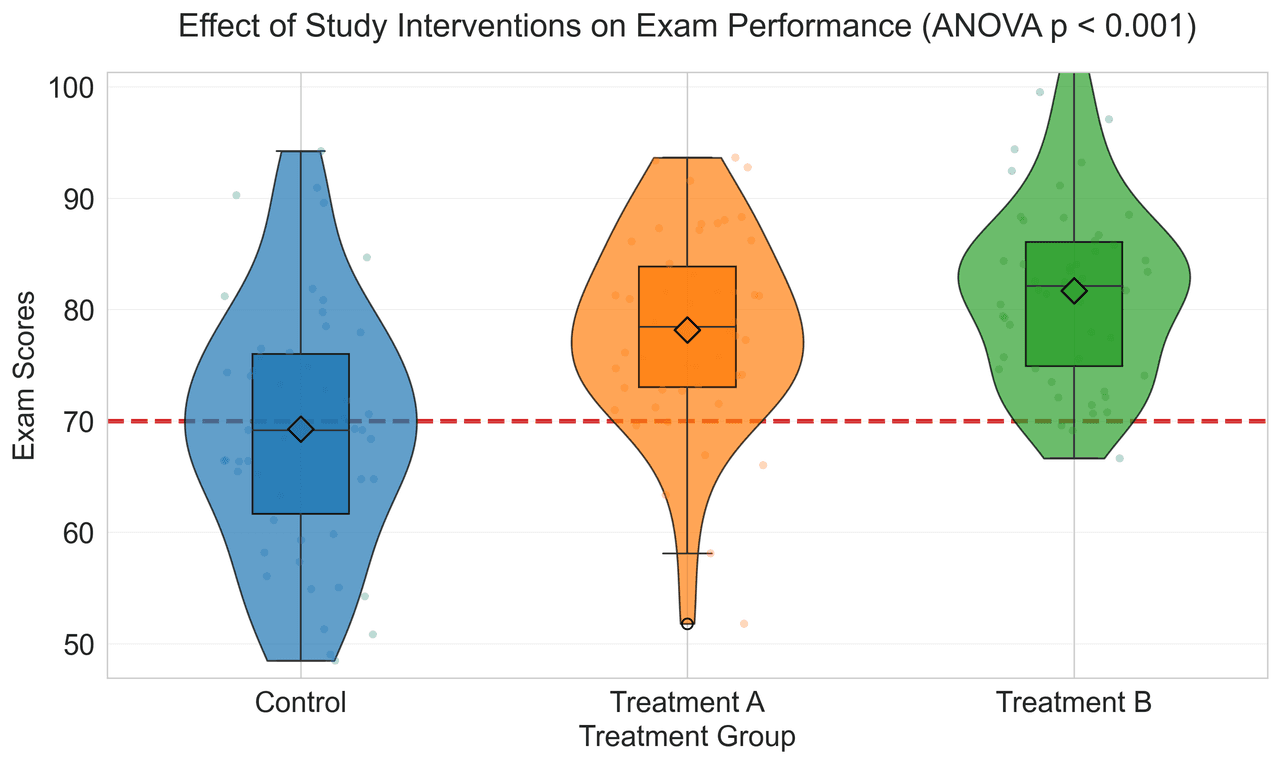
Combines box plots with kernel density to show distribution shape across groups.
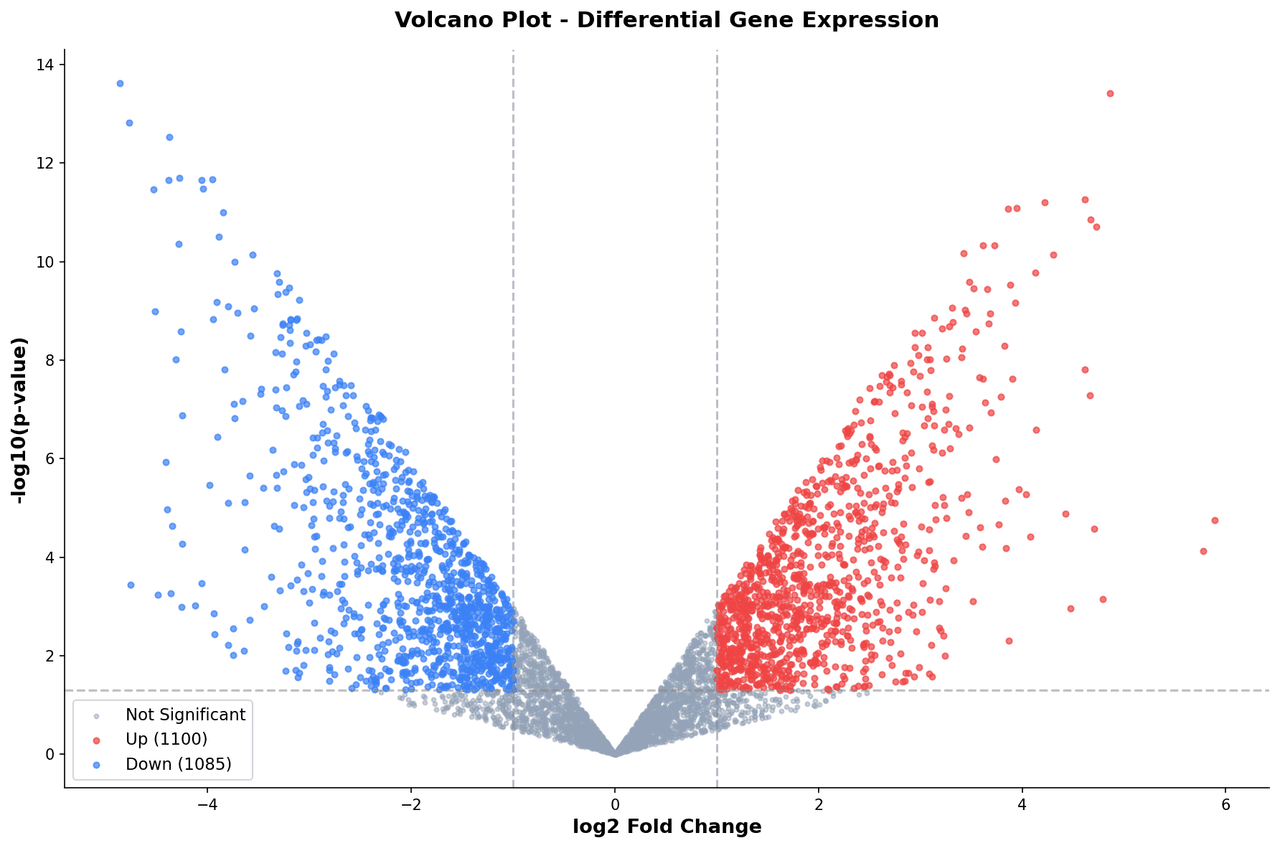
Scatter plot combining statistical significance (-log10 p-value) with effect magnitude (log2 fold-change) to identify differentially expressed genes or proteins.
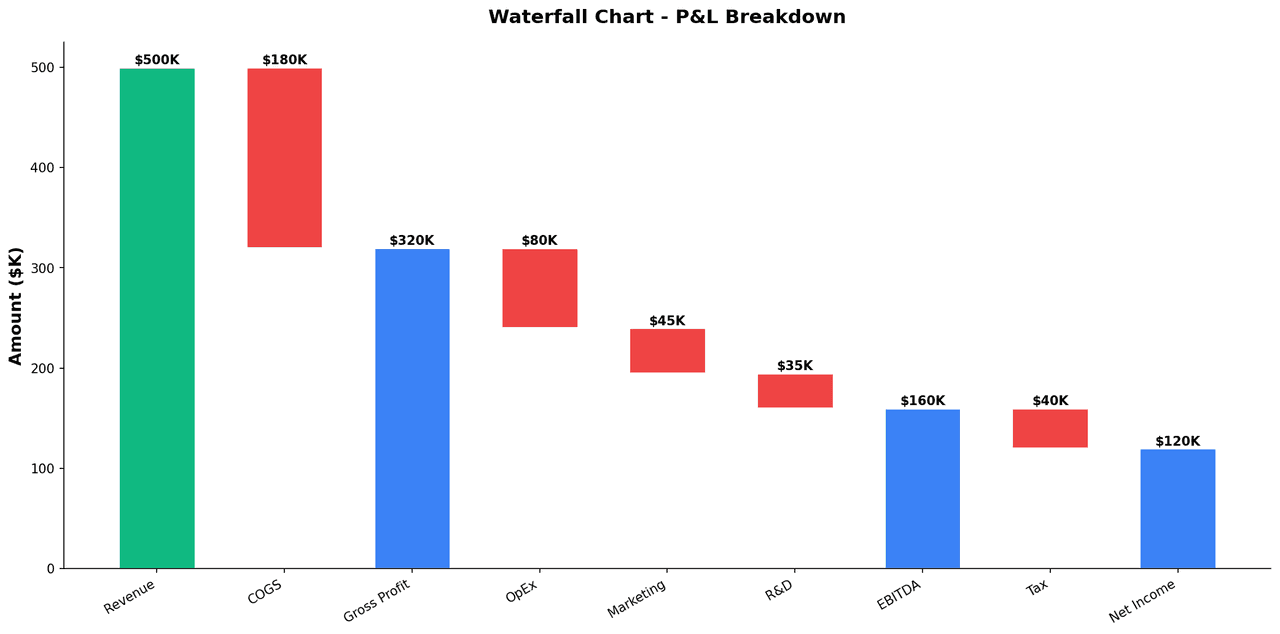
Create an oncology waterfall chart in Python to display each patient's best percentage change in tumor size from baseline.
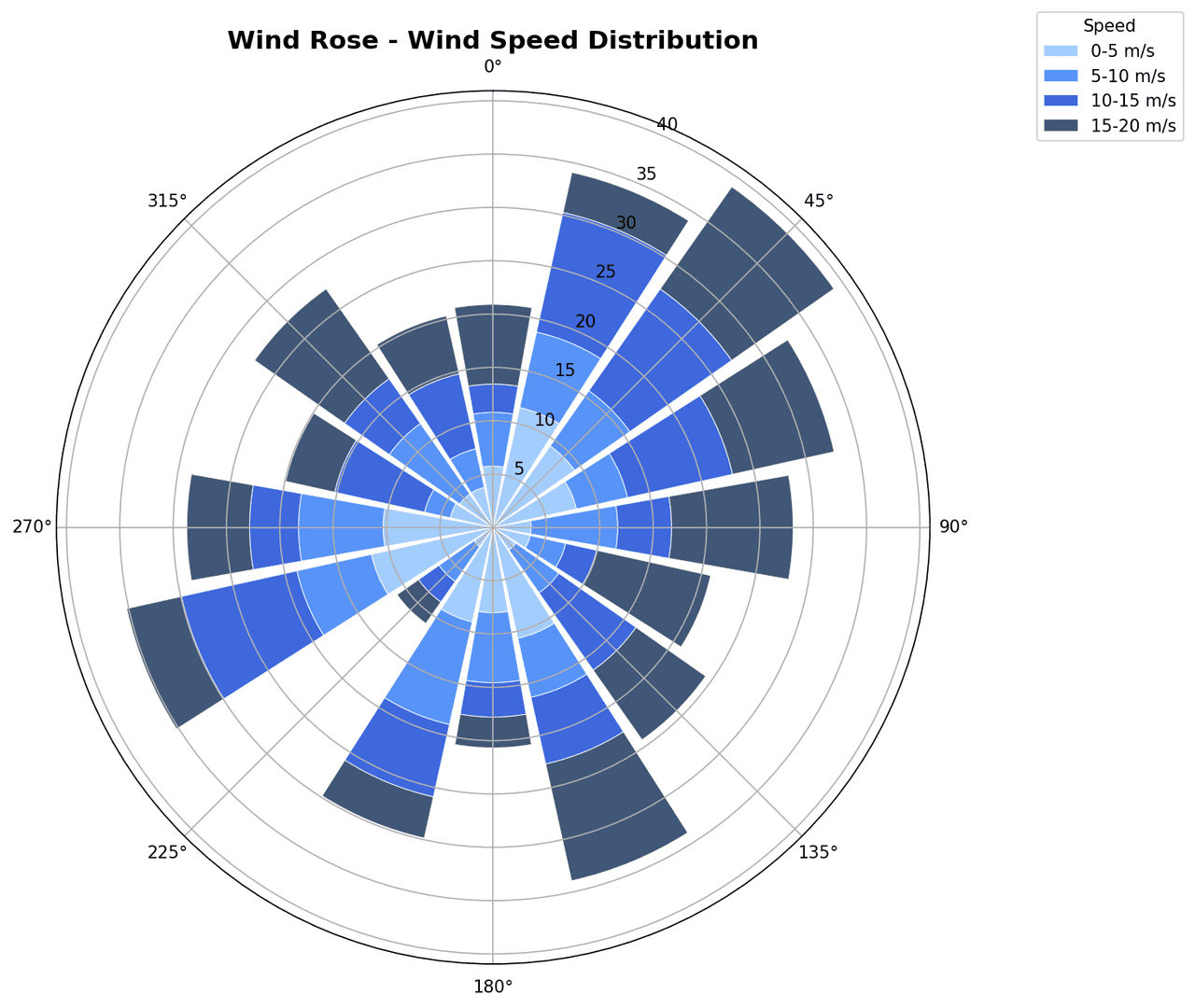
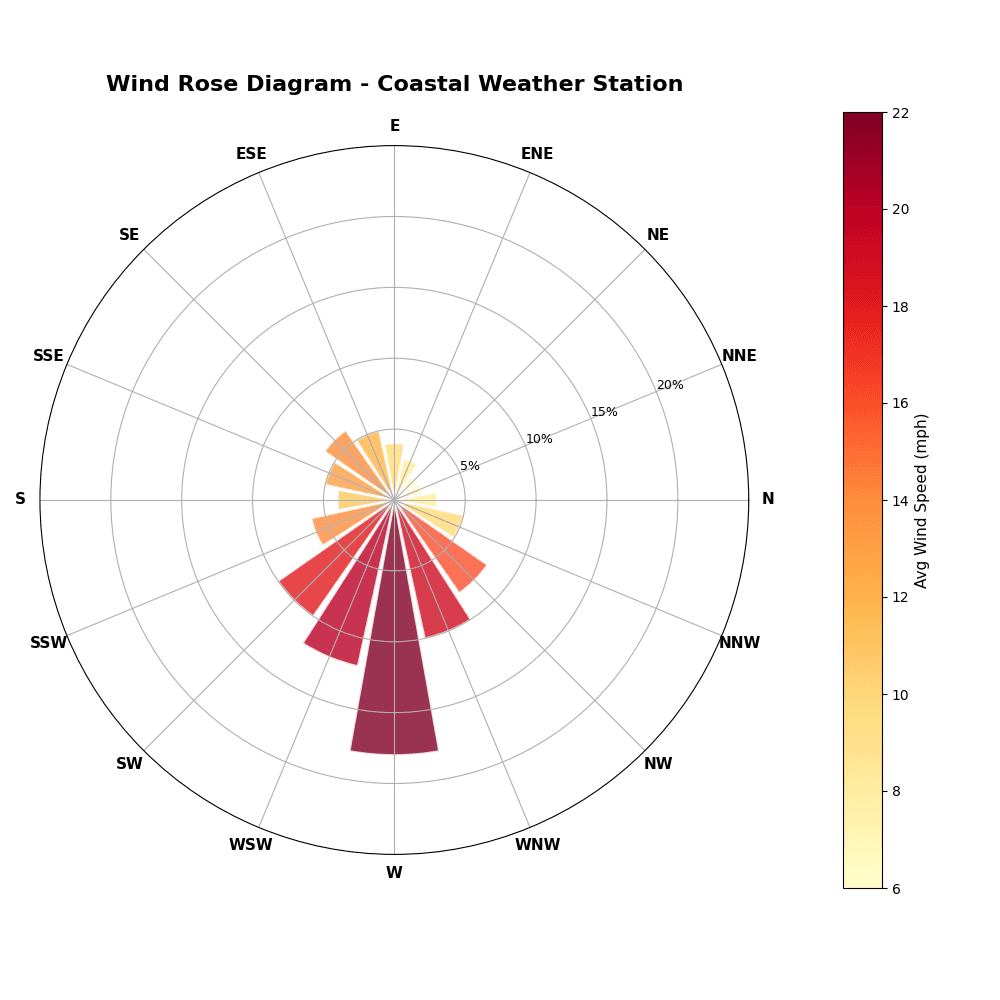
A wind rose uses polar bars to show wind direction frequency and wind speed classes across compass sectors.
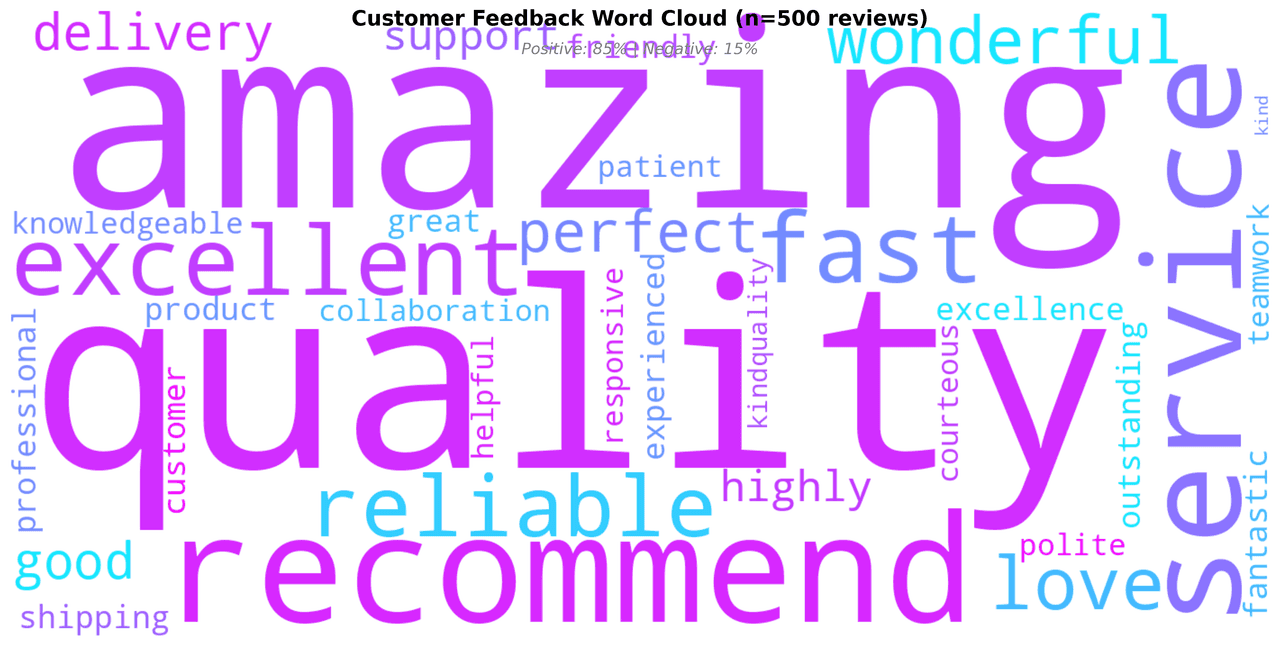
Visualizes text data with word size proportional to frequency or importance.
This scientific chart gallery showcases over 151 visualization types commonly used in data science, scientific research, and business intelligence. Each chart type includes descriptions, Python code examples, library tags, and practical use cases so you can compare the options before creating a figure.
Use this page for high-intent searches such as "Python chart examples", "scientific visualization types", "matplotlib examples", "Plotly charts", and "publication-ready scientific figures". Those keywords match the gallery intent because visitors are comparing chart types and looking for reproducible code examples.
Whether you need bar charts, scatter plots, heatmaps, geographic maps, or advanced visualizations like Sankey diagrams and treemaps, Plotivy supports chart creation with AI-powered code generation.
23 charts
27 charts
16 charts
5 charts
4 charts
12 charts
64 charts