Menu

URBAN PLANNING

Urban Planning & GIS Visualizations

From land use maps and density analysis to infrastructure planning, transportation modeling, and demographic trends - build insightful urban analytics with AI-generated Python code.

or browse all example datasets

Essential Urban Planning Visualizations

Urban data spans spatial distributions, time-series growth metrics, transit networks, and demographic profiles. Each visualization type requires tailored techniques - from choropleth-style grids to stacked compositions and infrastructure overlays.

Land Use Maps

Stacked area and composition charts tracking residential, commercial, and green space evolution

Population Density Grids

Heatmap grids with contour lines and infrastructure overlay for spatial analysis

Transit Network Charts

Ridership trends, route coverage maps, and isochrone accessibility visualizations

Zoning Compliance Plots

Comparative bar charts and deviation plots for zoning ordinance adherence

Growth Trend Analysis

Multi-decade urban sprawl metrics with projection intervals and policy markers

Service Area Coverage

Buffer zone maps showing proximity to schools, hospitals, and transit stops

Why Urban Planners Use Plotivy

Spatial Analysis

Density mapping, isochrone analysis, and proximity studies - turn coordinate data into actionable spatial insights.

Policy Visualization

Before/after scenarios, impact assessments, and zoning comparisons to support evidence-based planning decisions.

Stakeholder Communication

Clear, presentation-ready charts for public hearings, council meetings, and community engagement sessions.

Open Data Integration

Works with census, transit, land registry, and environmental datasets in CSV, Excel, or GeoJSON formats.

Land Use Composition Over Time

Stacked area chart tracking six land use categories from 1970 to 2030. Policy events are annotated and a projection boundary marks forecast data. Edit the code to adjust categories or time range.

Live Code Editor
Code EditorPython
Loading editor...
Live Preview

Preparing preview

Running once automatically on first load

Learn by Experimenting

This is a safe playground for learning! Try changing:

  • • Colors: Modify color values to see different palettes
  • • Numbers: Adjust sizes, positions, or data ranges
  • • Labels: Update titles, axis names, or legends

Edit the code, run it, then open the full data visualization tool to continue with your own dataset.

Population Density & Infrastructure Grid

A 2D spatial heatmap of population density with contour isolines and infrastructure markers for transit stations, schools, and hospitals. District boundaries are shown as dashed circles around density peaks.

Live Code Editor
Code EditorPython
Loading editor...
Live Preview

Preparing preview

Running once automatically on first load

Learn by Experimenting

This is a safe playground for learning! Try changing:

  • • Colors: Modify color values to see different palettes
  • • Numbers: Adjust sizes, positions, or data ranges
  • • Labels: Update titles, axis names, or legends

Edit the code, run it, then open the full data visualization tool to continue with your own dataset.

Chart gallery

Explore Urban Planning Chart Types

Interactive examples with ready-to-run code

Browse all chart types →
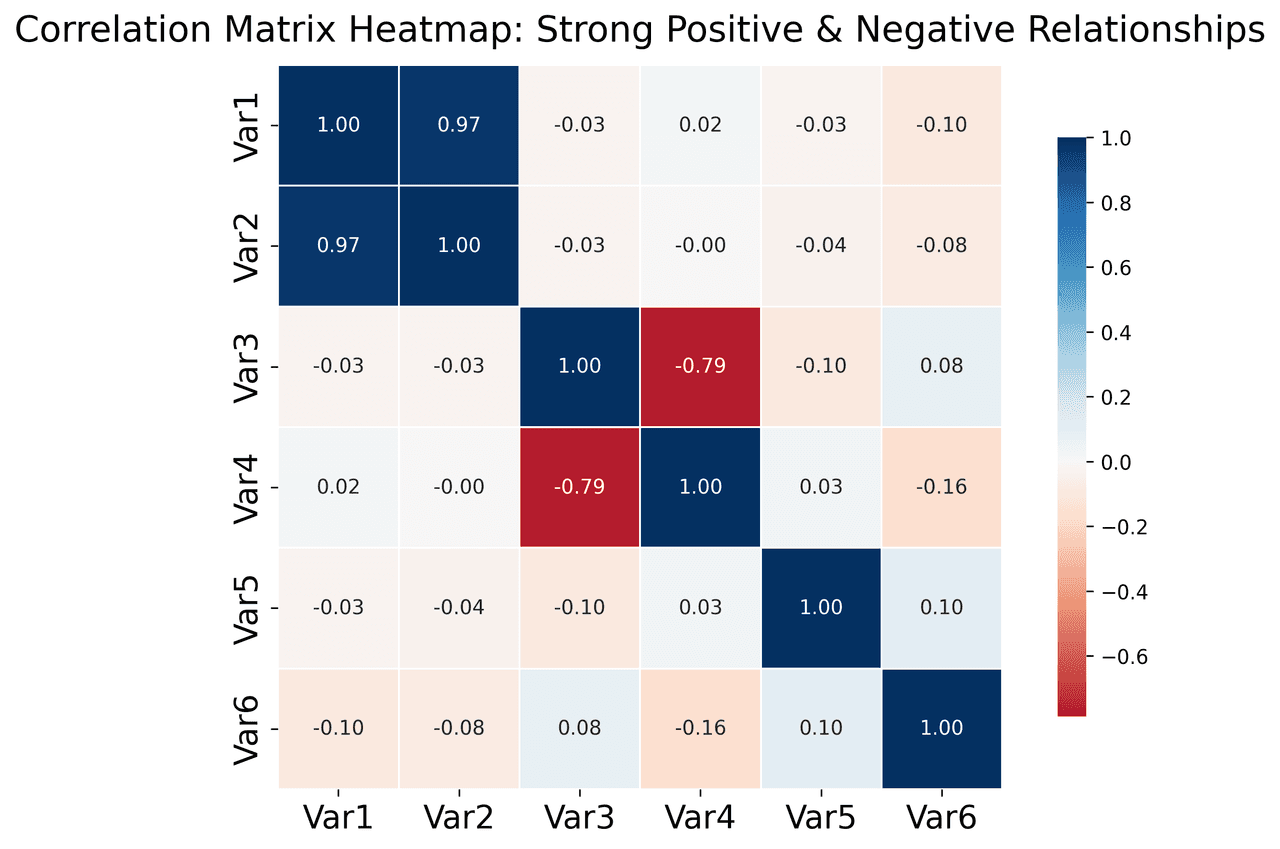
Correlation heatmap with diverging color scale and coefficient annotations
Statistical•seaborn, matplotlib
From the chart gallery•Correlation analysis between variables

Heatmap

Represents data values as colors in a two-dimensional matrix format.

Sample code / prompt

import matplotlib.pyplot as plt
import seaborn as sns
import pandas as pd
import numpy as np

# Create correlation matrix for financial metrics
metrics = ['Revenue', 'Profit', 'Expenses', 'ROI', 'Customers', 'AOV', 'Marketing', 'Employees']
correlation_data = np.array([
    [1.00, 0.85, -0.45, 0.72, 0.88, 0.65, 0.72, 0.55],
    [0.85, 1.00, -0.78, 0.92, 0.75, 0.58, 0.63, 0.48],
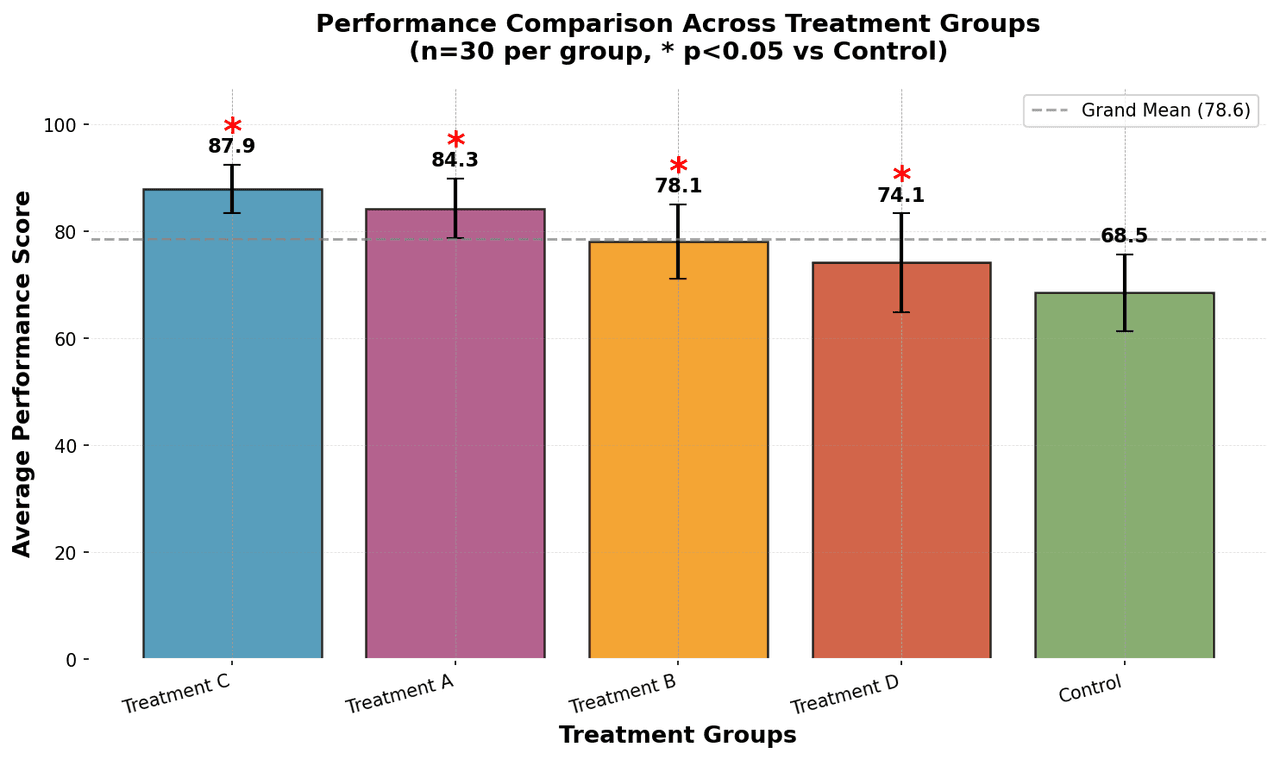
Bar chart comparing average scores across 5 groups with error bars
Comparison•matplotlib, seaborn
From the chart gallery•Comparing performance across categories

Bar Chart

Compares categorical data using rectangular bars with heights proportional to values.

Sample code / prompt

import numpy as np
import pandas as pd
import matplotlib.pyplot as plt
import seaborn as sns
from scipy import stats

# Generate performance scores for 5 treatment groups
np.random.seed(42)
groups = ['Control', 'Treatment A', 'Treatment B', 'Treatment C', 'Treatment D']
n_samples = 30

Ready to Visualize Your Urban Data?

Upload your CSV, describe the plot you need, and get presentation-ready figures with full Python code in seconds.

Start Free - No Sign-Up