How to Plot Time Series and Line Graphs in R with ggplot2
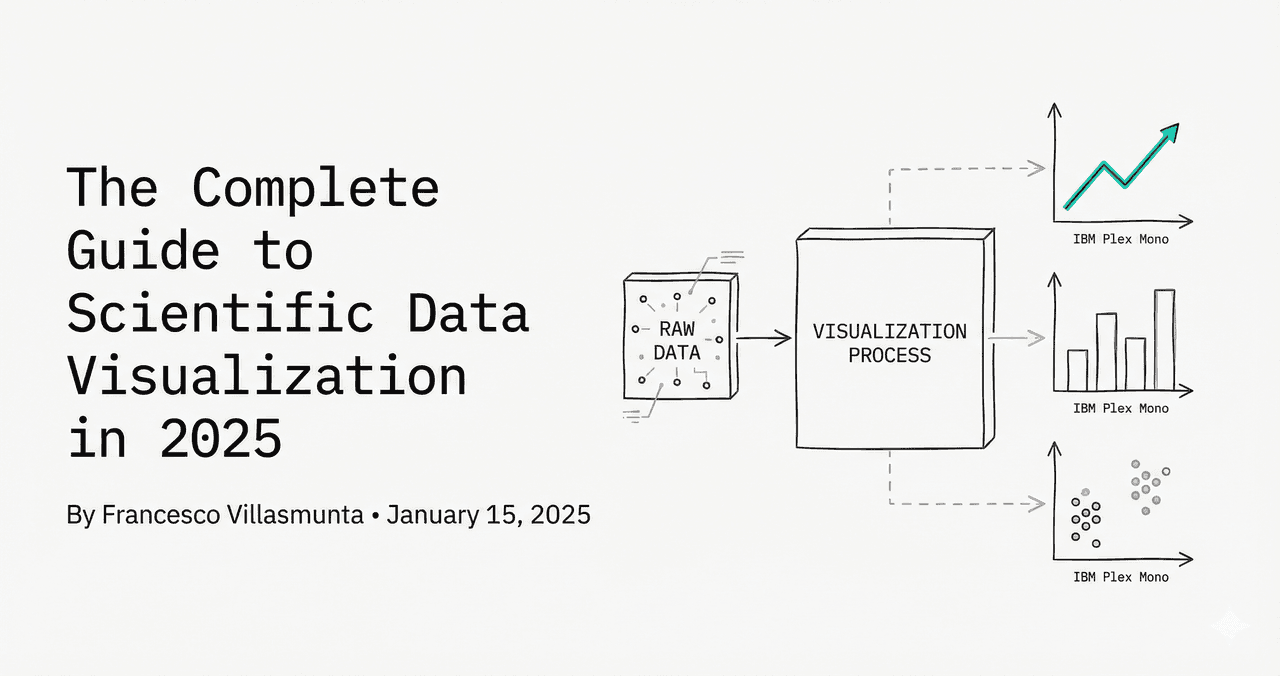
Line plots are the primary tool to show trends over continuous variables, especially time. In R's ggplot2, line plots are built with the geom_line() geometry, often paired with geom_point() to highlight discrete sampling events.
In This Tutorial
0.Live Code: Multiple Series Line Plot
1.Basic Line Plot (geom_line)
2.Handling Date and Time Variables
3.Mapping Colors and Line Types
4.Adding Area Fills
0. Live Code: Multiple Series Line Plot
Time-series rendering. Customize parameters using Python below, or upload your data to run R directly.
1. Basic Line Plot with geom_line
A simple line graph connects discrete coordinate observations chronologically:
R / ggplot2
ggplot(df, aes(x = time_step, y = measurement)) +
  geom_line(color = "#4f46e5", size = 1)
2. Handling Date and Time Variables
Try it
Try it now: plot your own time series
Upload temporal data and generate a clean time-series figure with trend smoothing and readable date formatting.
Generate my time-series chart →Newsletter
Get a weekly Python plotting tip
One concise tip each week for cleaner, faster scientific figures. Built for researchers who publish.
Ensure date columns are parsed correctly using R's as.Date(). Format scale labels using the `scales` library:
R / ggplot2
library(scales)

df$date <- as.Date(df$date)

ggplot(df, aes(x = date, y = measurement)) +
  geom_line() +
  scale_x_date(date_labels = "%b %Y", date_breaks = "2 months")
3. Mapping Colors and Line Types
Distinguish multiple treatments using combinations of colors and dashed line patterns for accessibility:
R / ggplot2
ggplot(df, aes(x = time_step, y = measurement, color = treatment, linetype = treatment)) +
  geom_line(size = 1.2) +
  scale_color_manual(values = c("#4f46e5", "#059669"))
4. Adding Area Fills (geom_ribbon)
Overlay a shaded margin representation for errors or confidence boundaries:
R / ggplot2
ggplot(df, aes(x = time_step, y = measurement)) +
  geom_ribbon(aes(ymin = measurement - standard_error, ymax = measurement + standard_error), fill = "gray80", alpha = 0.4) +
  geom_line(color = "black", size = 1)
Chart gallery
Explore related formats
Review linear trends.
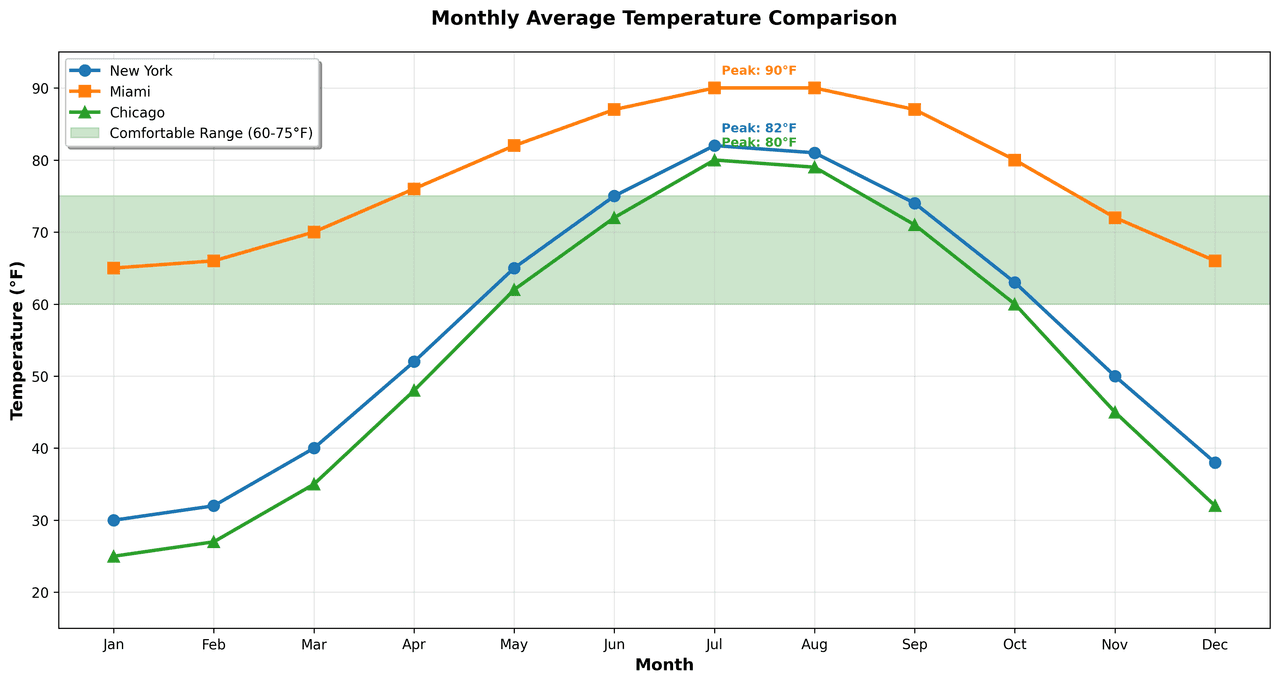
Line Graph
Create a line graph in Python to connect ordered data points, reveal time-series trends, and compare how multiple values change across a continuous scale.
Sample code / prompt
import matplotlib.pyplot as plt
import numpy as np

# Generate temperature data for 3 major US cities over 12 months
months = ['Jan', 'Feb', 'Mar', 'Apr', 'May', 'Jun', 'Jul', 'Aug', 'Sep', 'Oct', 'Nov', 'Dec']
nyc = [30, 32, 40, 52, 65, 75, 82, 81, 74, 63, 50, 38]
miami = [65, 66, 70, 76, 82, 87, 90, 90, 87, 80, 72, 66]
chicago = [25, 27, 35, 48, 62, 72, 80, 79, 71, 60, 45, 32]

# Create figure with enhanced styling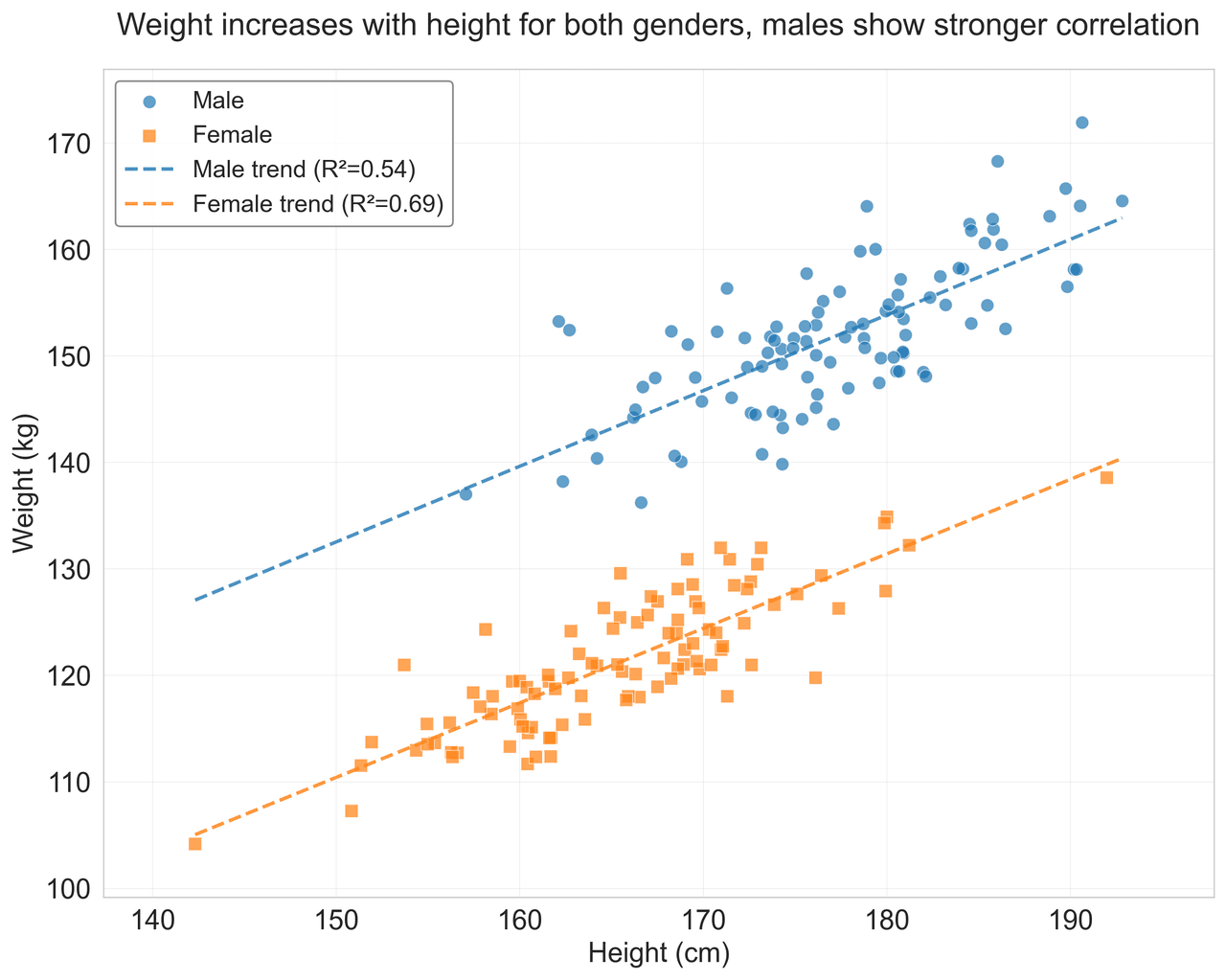
Scatterplot
A scatter plot displays two quantitative variables as points, helping you examine relationships, clusters, outliers, and regression trends.
Sample code / prompt
import matplotlib.pyplot as plt
import numpy as np
from scipy import stats
import pandas as pd

# Generate sample data
np.random.seed(42)
n_samples = 200
height = np.random.normal(170, 8, n_samples)
weight = height * 0.6 + np.random.normal(0, 8, n_samples) - 50Build This Time Series Plot Online
Upload your data and describe the design. Plotivy writes the ggplot2 code and executes it instantly.
Related chart guides
Apply this tutorial directly in the chart gallery with ready-to-run prompts and examples.
Technique guides scientists read next
scipy.signal.find_peaks guide
Tune prominence and width parameters for robust peak extraction.
Savitzky-Golay smoothing
Reduce noise while preserving peak shape and position.
PCA visualization workflow
Move from high-dimensional measurements to interpretable components.
ANOVA with post-hoc brackets
Add statistically correct pairwise significance annotations.
Found this helpful? Share it with your network.
Experimental Physicist & Photonics Researcher
Hands-on experience in silicon photonics, semiconductor fabrication (DRIE/ICP-RIE), optical simulation, and data-driven analysis. Built Plotivy to help researchers focus on discoveries instead of data struggles.
More about the authorVisualize your own data
Apply the techniques from this article to your own datasets. Upload CSV, Excel, or paste data directly.